







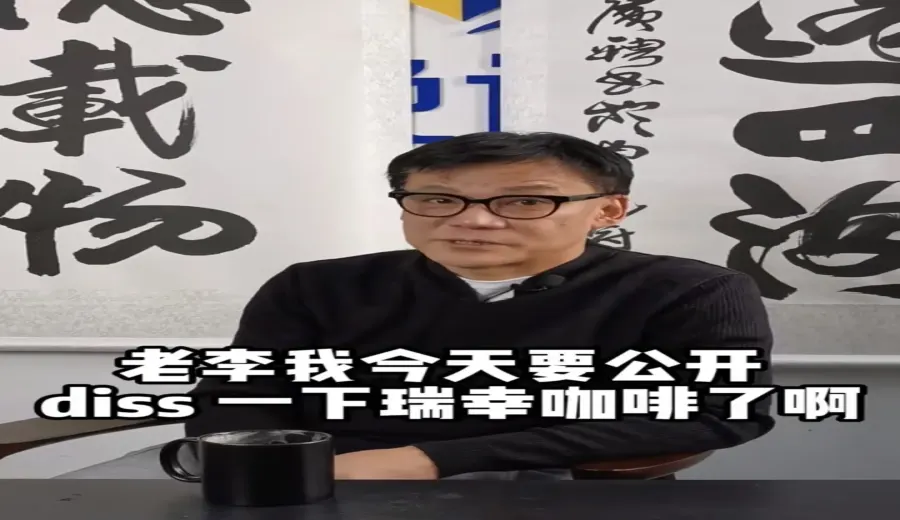
Introduction:Li Guoqing, the founder of Dangdang.com, recently accused Luckin Coffee of monopolizing the coffee bean market, particularly raising doubts about whether its best-selling "Houkui 5.0" is truly a genuine product from Ethiopia’s Yirgacheffe region. This article delves into the origins of the controversy, exploring supply chain transparency, roasting techniques, and the actual consumer experience to uncover the industry dynamics behind this popular coffee bean, while also providing expert brewing reference data to help you judge its authenticity.
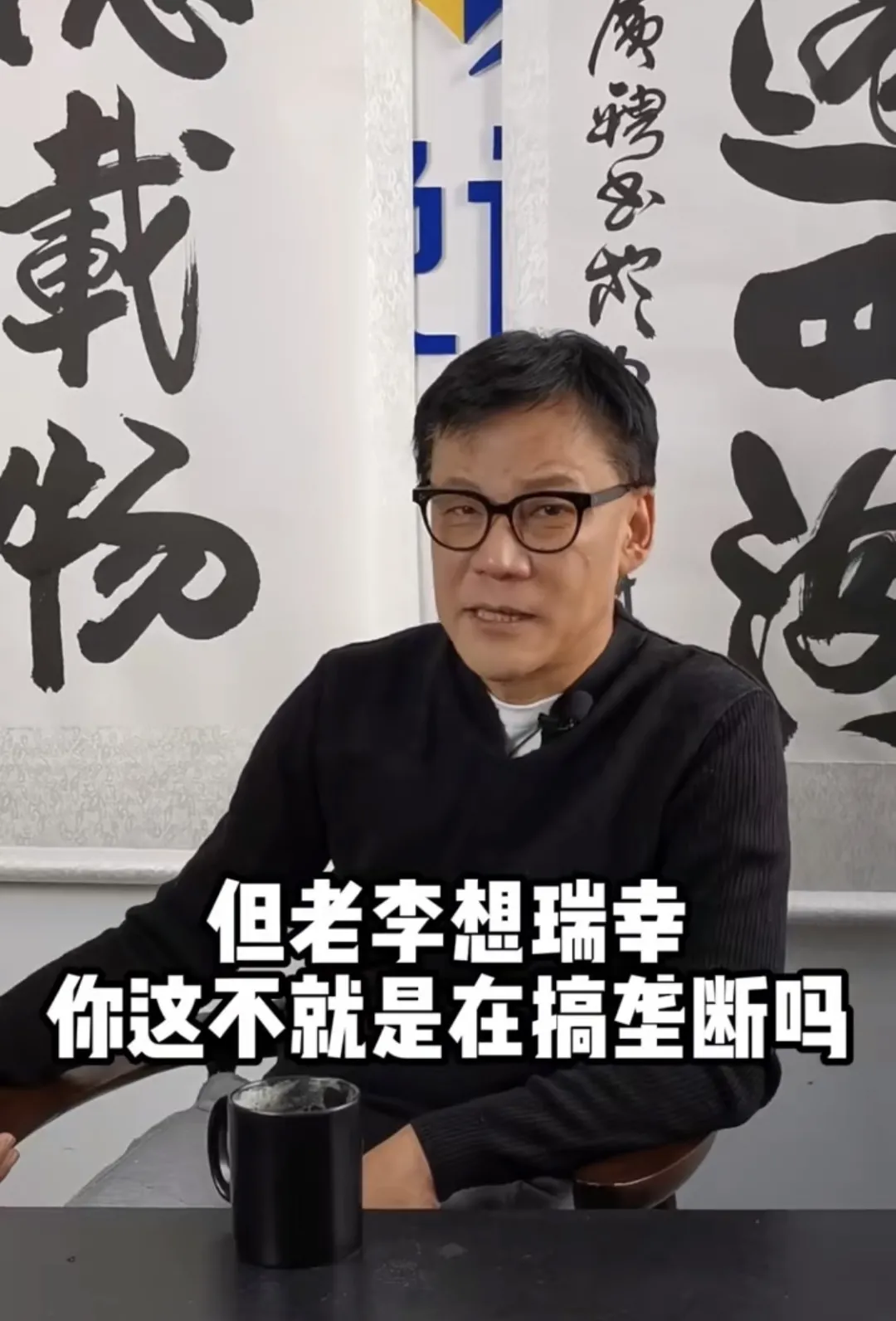
Li Guoqing, a pioneer of China’s e-commerce industry, recently publicly questioned the连锁 coffee brand Luckin on social media, accusing it of influencing the global circulation of specialty coffee beans through large-scale procurement, especially targeting the legitimacy of the origin of the raw materials used in its flagship product, "Houkui 5.0." This dispute not only sparks discussions on market fairness but also prompts consumers to start questioning the true identity of so-called "limited edition" coffee beans.
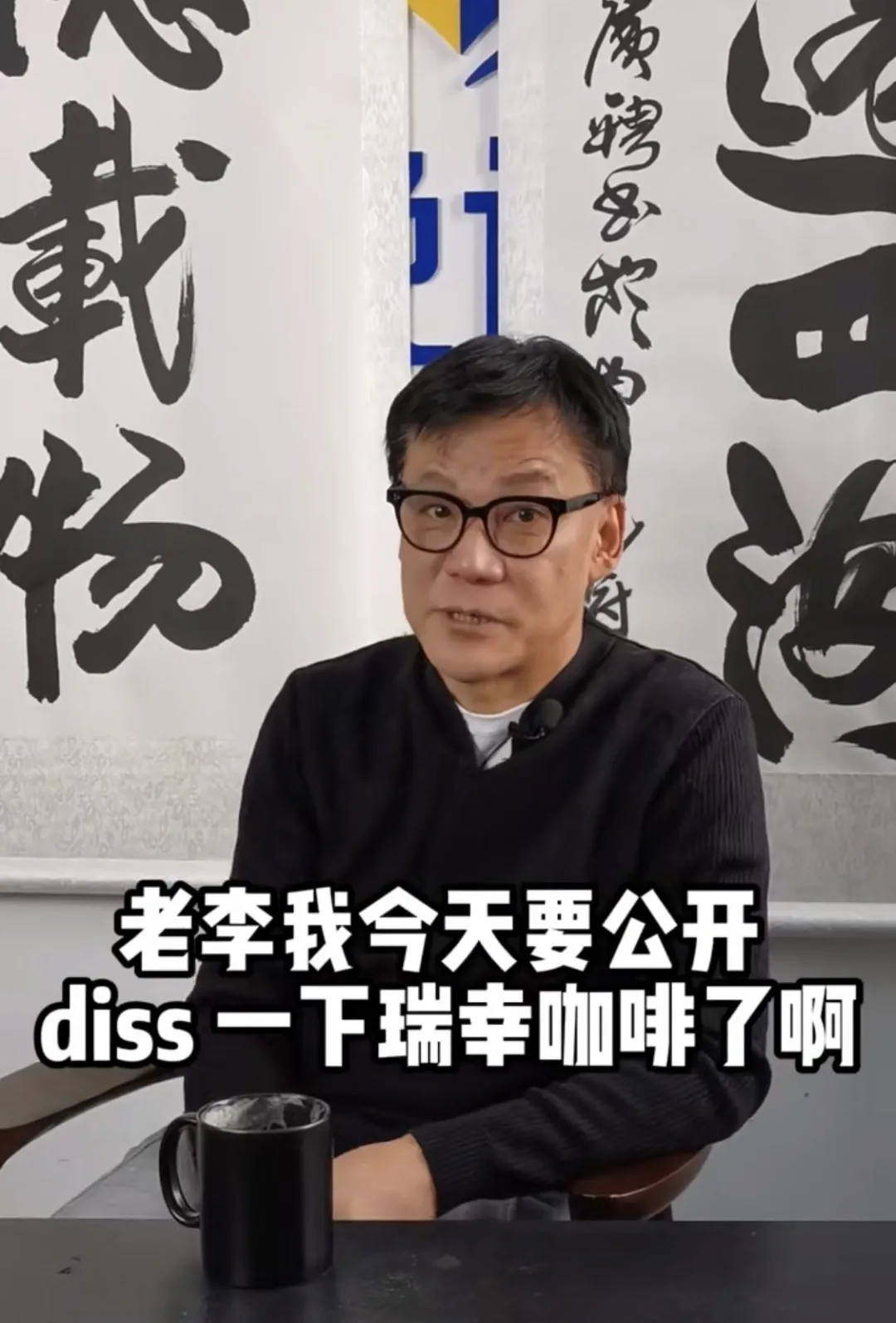
The so-called Houkui series originated in 2017 from the Hambella region of Ethiopia’s Yirgacheffe area, produced by local smallholder cooperatives as naturally processed beans. When Luckin first launched Houkui 5.0 in 2021, it claimed to have imported the largest quantity of that particular batch globally. However, the industry has questioned whether it fully retains the original terroir characteristics. Professional roasters point out that truly top-tier natural process beans should exhibit distinct blueberry and honey notes, rather than a single note of sweetness.
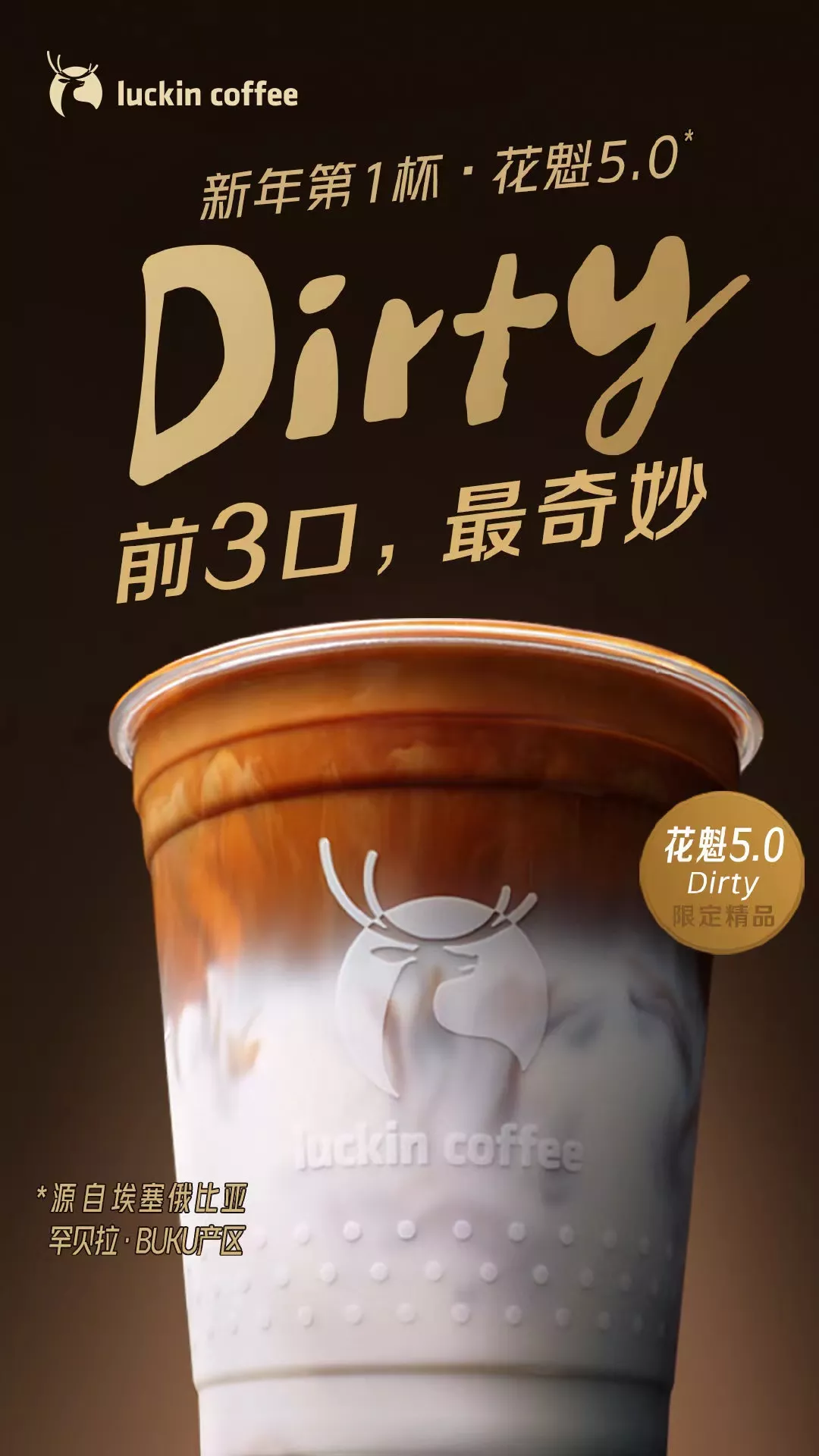
A deeper look into the supply chain reveals that Houkui 5.0 boasts the use of Ethiopia G1 grade coffee beans, which theoretically belong to the highest quality classification in the country. However, actual transaction records show that Luckin’s purchase accounted for over 70% of the total volume of that batch. This centralized procurement model may make it difficult for other roasters to obtain the same quality of raw materials, thereby sparking controversy over market monopoly. It is worth noting that the G1 grade only refers to the screening size and does not directly equate to flavor scoring.
From a technical perspective, Luckin’s use of a medium-light roast (approximately Agtron 65-70 value) for Houkui 5.0 aims to highlight the fruit acidity profile. The recommended pour over parameters are: a coffee-to-water ratio of 1:15, water temperature of 90-92°C, and grind size close to that of fine sugar granules (approximately 80-100 microns). However, practical test data shows that if using espresso produced by a vending machine (extraction time 25 seconds / pressure 9 bar), its crema thickness and oil stability are often lower than those of professional coffee shops.
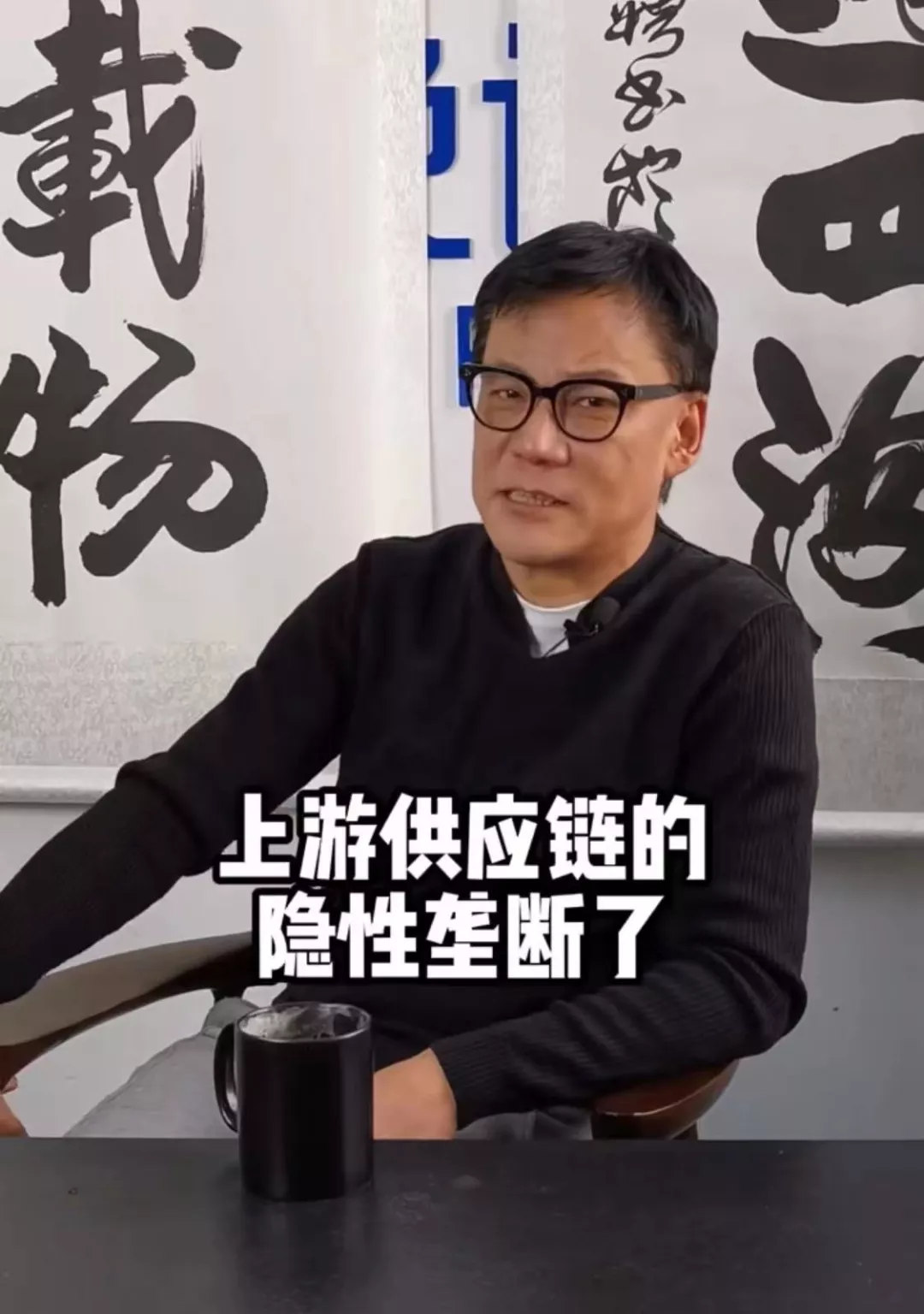
Industry experts advise that authentic Houkui series beans can be identified through three dimensions: first, check the packaging for the indicated producing region coordinates (authentic Hambella region beans should specify an altitude of 1800-2000 meters); second, pay attention to the roasting date and best-before period (specialty beans are recommended to be used within 7-21 days after roasting); and third, judge by the aftertaste after brewing — high-quality natural process beans should present a lingering citrus and caramel finish, rather than the singular sweetness of instant coffee.
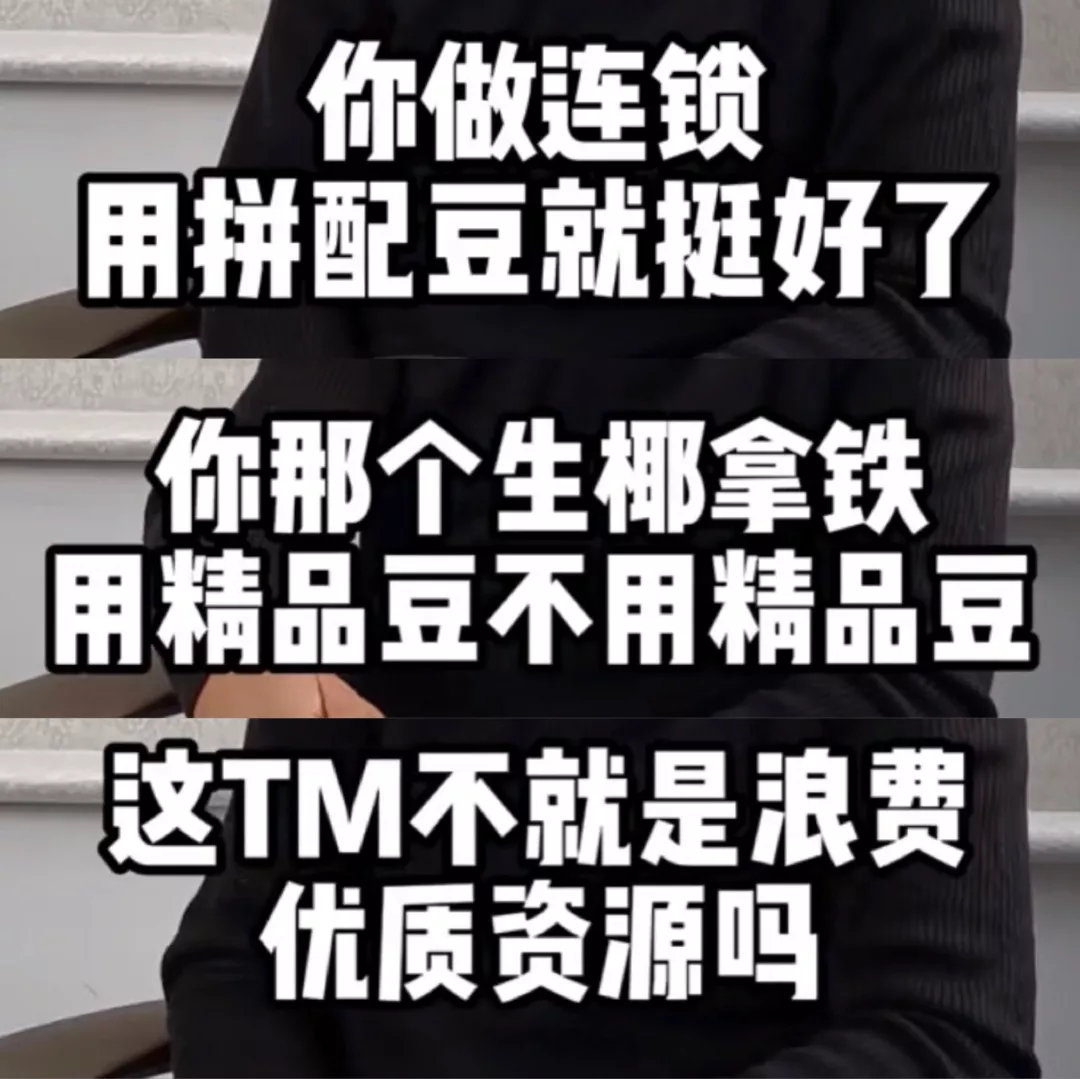
In response to market concerns, some independent roasters revealed that the original green bean auction price for Houkui 5.0 in 2021 was around $6.8 per kilogram, while the retail price difference at the end of the chain can be more than threefold. This uneven distribution of value in the supply chain, coupled with Luckin’s strategy of rapidly distributing products through its extensive store network, has indeed put pressure on independent coffee businesses. Consumers who wish to try similar flavors might consider choosing G1 grade natural process beans from Ethiopia’s Yirgacheffe region, using 15 grams of coffee and a water temperature of 93°C for brewing with a V60 filter, which typically yields a more balanced acidity and sweetness profile.
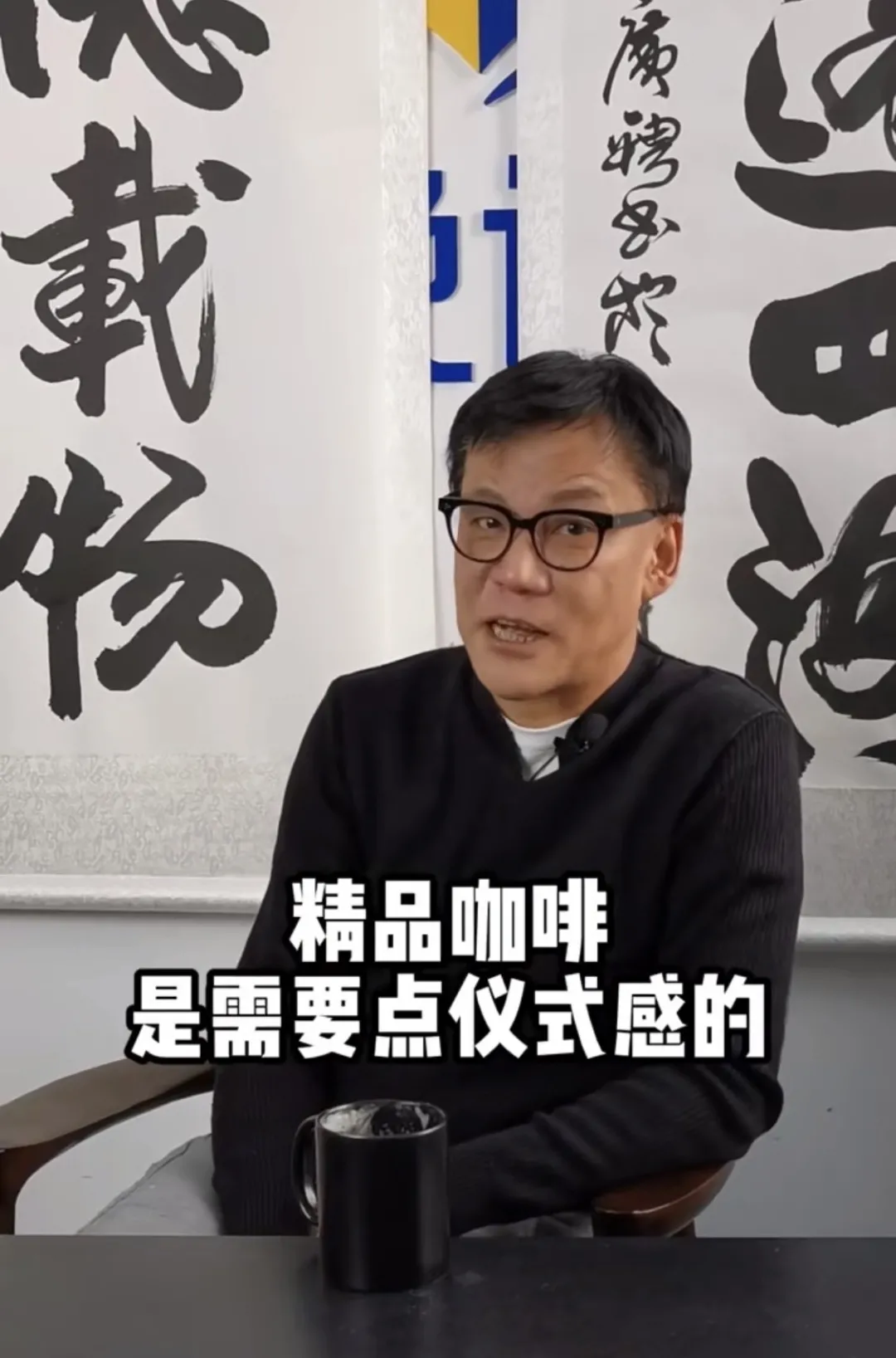
This controversy also highlights the issue of transparency in the specialty coffee market. Professional institutions recommend checking for a green bean traceability certificate (such as a Cup of Excellence auction number), the name and address of the roasting facility, and the specific harvest year when making purchases. For products marketed as "limited edition" or "exclusive," it is even more important to verify their actual regional distribution and processing method details to avoid falling victim to marketing gimmicks.
The above content is compiled by CoffeeHunters, a coffee news website.


