







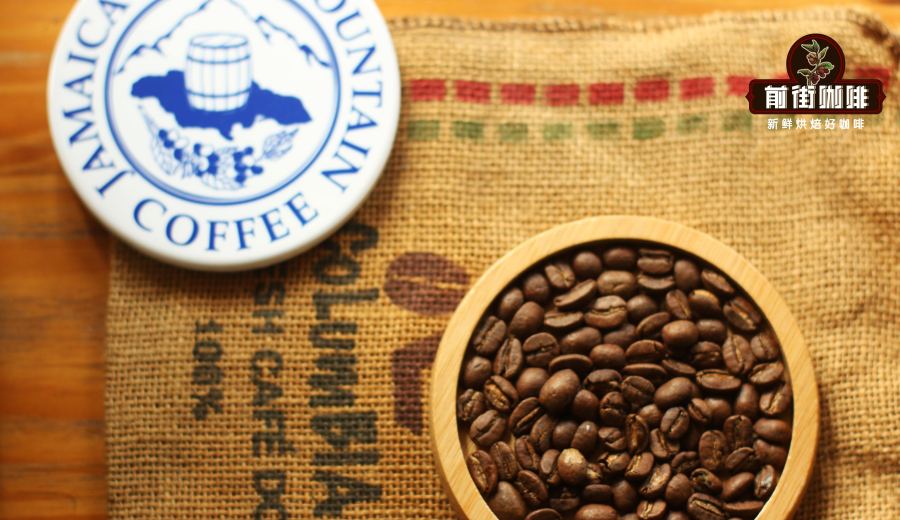
Introduction:Jamaica Blue Mountain coffee is hailed as one of the world’s top-tier coffees, yet its true flavor profile, growing conditions, and authentic grading standards remain little known. This article delves into the geographical advantages, washed processing methods, and grading system of Blue Mountain coffee, while also providing expert pour-over brewing parameters to help you master the optimal extraction method. Discover its balanced and richly mellow unique flavors, while avoiding common extraction mistakes and pitfalls of counterfeit products on the market.
Jamaica Blue Mountain coffee is globally recognized as a representative of premium coffee, but what exactly constitutes “authentic” Blue Mountain? Where does its captivating flavor come from? And how can it be fully expressed through pour-over brewing? This article will explore the terroir, variety background, and processing techniques to help you understand what makes Jamaican Blue Mountain coffee so unique. It also details recommended pour-over parameters to assist you in brewing a rich, smooth, and well-balanced Black Blue Mountain coffee.
Even among those who aren’t hardcore coffee enthusiasts, most have heard of “Blue Mountain coffee.” This coffee from the Caribbean island nation of Jamaica is renowned for its rich aroma and round, balanced taste, making it a dream brew for many coffee aficionados. But what kind of taste experience does truly high-quality Blue Mountain coffee offer? Let’s break it down from the source.
First, what qualifies as “authentic” Blue Mountain coffee? Strictly speaking, only coffee beans grown in the Blue Mountains region of Jamaica are eligible to be called Blue Mountain coffee. Jamaica is located in the Caribbean Sea, with its Blue Mountains situated in the eastern part of the country, surrounded by azure waters. The mountains take on a light blue hue under sunlight, hence the name “Blue Mountain.” This area not only boasts pleasant scenery and fresh air, but also features the highest peak in the entire Caribbean region — with an elevation of up to 2,256 meters, it is a highly representative mountainous coffee-growing region.
The delicate and enchanting flavors of Blue Mountain coffee are inseparable from the region’s unique microclimate. Located near the 25th parallel north in the coffee-growing “golden belt,” it is a classic high-altitude cultivation environment with significant day-night temperature variations. These slow the ripening process of coffee cherries, allowing ample time for sugar and aromatic compounds to accumulate. Coupled with fertile volcanic soils rich in minerals, as well as abundant year-round rainfall and persistent cloud cover, the coffee trees thrive healthily even without additional irrigation or fertilization.
Additionally, the relatively isolated Blue Mountain region, with its island-style microclimate, has extremely low air pollution. The Typica variety, introduced in earlier years, grows stably here. Not only has the pure lineage been preserved, but the beans have also developed strong disease resistance due to adaptation to the environment. As many other producing regions gradually phase out Typica, Blue Mountain remains committed to using this variety — one of the key factors contributing to its unique flavor.
So, what makes Blue Mountain coffee worthy of being called the best in the world? The answer lies in the strict regulations imposed by the Jamaican government. Officially, areas of the Blue Mountains above 1,700 meters in altitude are designated as nature reserves where farming is prohibited, so coffee can only be grown below that elevation. According to standards set by the Jamaica Coffee Industry Board (CIB), only Arabica coffee grown at altitudes above 910 meters can be labeled as “Jamaica Blue Mountain Coffee.” Coffee from lower-altitude regions is classified as either “Jamaica High Mountain Coffee” or “Jamaica Prime Coffee.” The higher the altitude, the greater the difficulty in cultivation and harvesting — making the beans rarer and their prices climb accordingly.
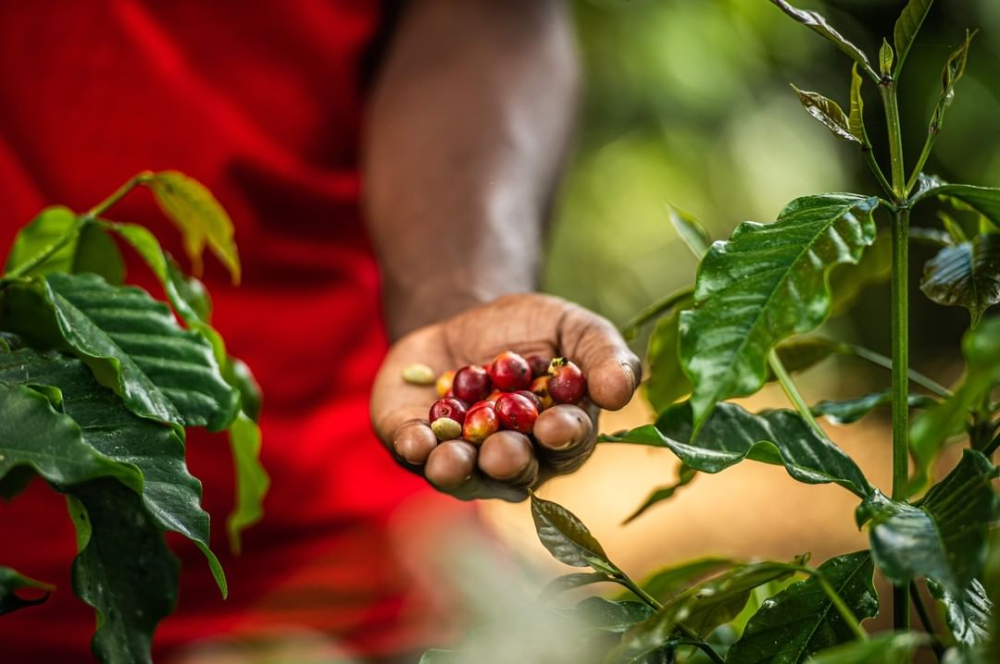
The processing method for Blue Mountain coffee is equally meticulous. After harvesting, the coffee cherries are typically processed using the traditional washed method: the skin and pulp are first mechanically removed, then the beans are placed in fermentation tanks for about 24 hours, where microbial action breaks down the mucilage layer. Once fermentation is complete, the beans are repeatedly rinsed with clean water to remove residual mucilage through friction and water flow until the surface becomes smooth. The parchment-covered beans are then spread out to dry for two to three weeks, during which the moisture content is strictly controlled between 12% and 14%. Since the flesh and mucilage are removed early on, this greatly reduces off-flavors caused by over-fermentation, resulting in a purer and more layered aroma for Blue Mountain coffee.
The processed green beans must also pass multiple rounds of quality screening, including defect rate, bean size, and cupping scores. Among these, the top-grade “Blue Mountain No. 1” must meet a size specification of 17 to 18 mesh (bean size), have a defect rate of less than 2%, and must pass professional cupping evaluations that demonstrate a balanced acidity, sweetness, bitterness, and body. Due to such stringent selection criteria, the yield of Blue Mountain No. 1 is extremely limited. To experience the essence of Blue Mountain coffee, it is recommended to prioritize Blue Mountain No. 1, such as batches from the Clydesdale Estate.
How can you brew the exceptional flavors of Blue Mountain No. 1? The first key is to use freshly roasted beans — it’s recommended to choose beans roasted within five days, when their flavors are at their peak. In terms of extraction, pour-over brewing can best showcase the pure characteristics of Blue Mountain coffee. It’s recommended to use a Kono filter, whose ribs only extend to the upper half of the filter cup. When wet, the filter paper adheres tightly to the cup wall, effectively restricting airflow, extending the coffee grounds’ absorption time, and leading to a more uniform extraction. This also imparts a rich and full-bodied mouthfeel.
Blue Mountain No. 1 is a medium roast, and its bean structure is looser compared to light roasts, offering good water absorption efficiency. To avoid over-extraction, which can release excessive bitter compounds, it’s recommended to use a medium-coarse grind with about a 75% passing rate through a standard 20-mesh sieve. Brew with water at 88°C, using a three-stage pouring method.
Specific recommended parameters are as follows: use a KONO filter, water temperature at 88°C, a coffee-to-water ratio of 1:15 (i.e., 15 grams of coffee grounds to 225 milliliters of water), grind coarseness similar to granulated sugar (EK43s setting 10.5 / 20-mesh sieve passing rate 75%). Brewing steps: First, pour 30 grams of water for a 30-second bloom; once the coffee bed expands, pour in a small circular motion until reaching 125 grams, then pause the pour for the first time; when the liquid level drops to just about to expose the coffee bed, continue pouring until reaching 225 grams to finish. Total brewing time (including bloom) is approximately 2 minutes. The resulting Blue Mountain black coffee has a rich taste of dark chocolate, nuts, and caramel, a silky-smooth mouthfeel, moderate body, a refreshing aftertaste with lingering sweetness, and a clear and balanced flavor profile.
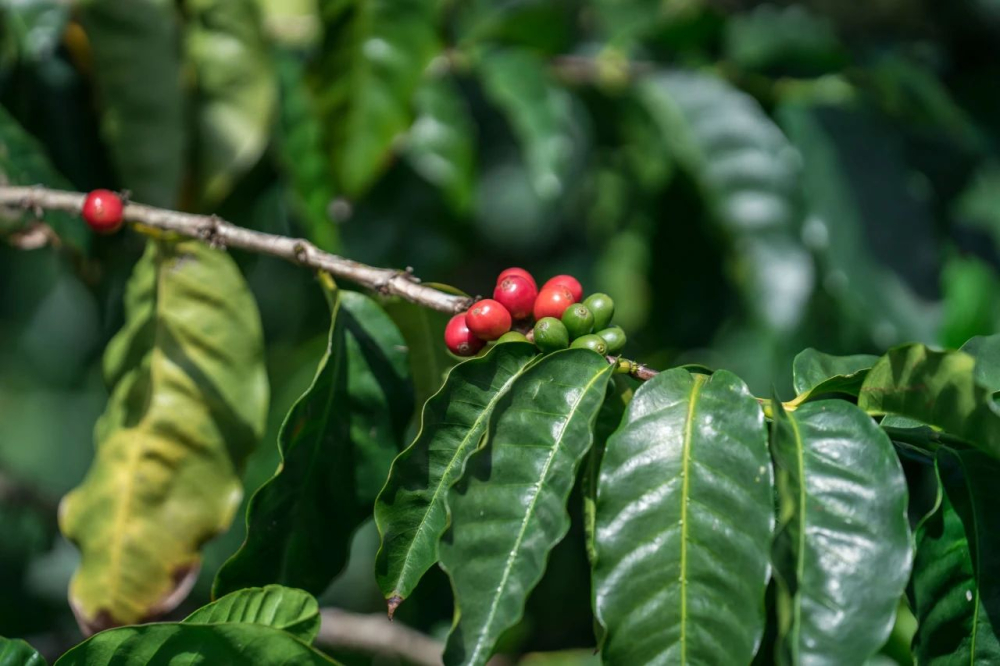
However, many people report that their home-brewed Blue Mountain No. 1 often tastes overly bitter. This is usually due to over-extraction, which releases too many large bitter-tasting molecules. To improve this, consider the following points: First, adjust the grind size — too fine a grind increases extraction rates, so it’s better to use a medium-coarse grind. Second, control water temperature — excessively high temperatures (above 93°C) can lead to burnt bitterness. For Blue Mountain No. 1, the recommended water temperature range is 86–93°C, with the optimal range falling between 87–89°C. Third, pay attention to your pouring technique — avoid using overly strong water flow or vigorous stirring. Stable pouring helps extract aromas evenly without releasing excess impurities.
The above content is compiled by CoffeeHunters, a coffee news website.


