







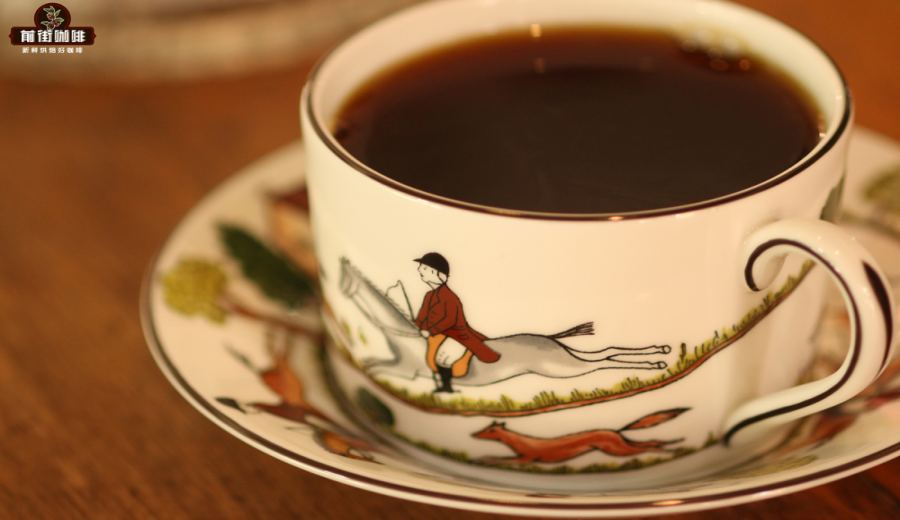
Introduction:Jamaican Blue Mountain coffee is hailed as the "King of Coffee," but the market is flooded with various counterfeits, with prices ranging from just tens of yuan to over a thousand yuan, making it difficult for consumers to distinguish the real from the fake. This article delves into the definition, grading, and import background of authentic Blue Mountain coffee, and provides a detailed guide on how to identify the genuine product. It also outlines the three most common types of fake Blue Mountain coffee, helping you make an informed choice and avoid purchasing pitfalls.
Renowned for its balanced acidity, sweetness, bitterness, and rich mouthfeel, Jamaican Blue Mountain coffee has long been regarded as the pinnacle of the coffee world, earning the title of the "King of Coffee." However, precisely because of its prestigious reputation, the market is rife with low-cost counterfeit products, leaving many consumers paying a premium without getting the true Blue Mountain experience. This article will take you deep into what constitutes real Blue Mountain coffee beans—including their definition, grading system, import history—and how to identify the authentic product through key details. We also compile three common types of "fake Blue Mountain" coffee, enabling you to easily steer clear of consumer traps.
Many consumers who see "Blue Mountain coffee" priced at just a few dozen yuan yet offered in packages weighing several hundred grams on e-commerce platforms can't help but wonder: is such a price reasonable? In fact, authentic Blue Mountain coffee beans are grown only in the core growing regions of Jamaica’s Blue Mountains and must be sold as whole beans—they have never been widely circulated in cheap, large-pack formats. Due to its limited production, stringent cultivation conditions, historical background, and market dynamics, the price of Blue Mountain coffee has always remained high. Understanding this background will help you more clearly assess whether the Blue Mountain coffee you have is genuine.
The so-called authentic Blue Mountain coffee refers to beans grown in the core area of Jamaica’s Blue Mountain range. Its flavor profile is defined by an exceptional balance between acidity, sweetness, and bitterness, coupled with a rich yet smooth mouthfeel that is extremely pleasant to drink. This unique flavor expression helped Blue Mountain coffee stand out in the 1970s and 1980s, becoming the ultimate choice for coffee enthusiasts around the world. Particularly through active promotion in the Japanese market, Blue Mountain coffee gradually established its status as the "King of Coffee." As for Taiwan and mainland China, awareness of Blue Mountain coffee soared rapidly after the economic boom of the 1990s, when it mainly appeared on the exclusive menus of high-end hotels, served to foreign guests, further enhancing its premium image.
It’s worth noting that in China, the term "Blue Mountain coffee" generally refers to Blue Mountain No. 1 beans, but the full Blue Mountain grading actually includes No. 1, No. 2, No. 3, and Blue Mountain Peaberry. Among these, Blue Mountain No. 1 is the highest grade, featuring whole, intact beans with the lowest defect rate and the most outstanding quality. In the early days, due to the inability to directly import Blue Mountain green beans into mainland China, the Blue Mountain coffee available in the market was mostly introduced in small quantities via Hong Kong, Taiwan, or Japan, making it expensive and extremely rare. It wasn’t until 2010 that the Hangzhou Coffee & Western Food Industry Association signed a letter of intent with Jamaica to become the general agent for Blue Mountain green beans in China. The first container of Blue Mountain green beans officially arrived at Ningbo Port in May of the following year, marking the beginning of direct access to authentic Blue Mountain coffee beans in the Chinese market.
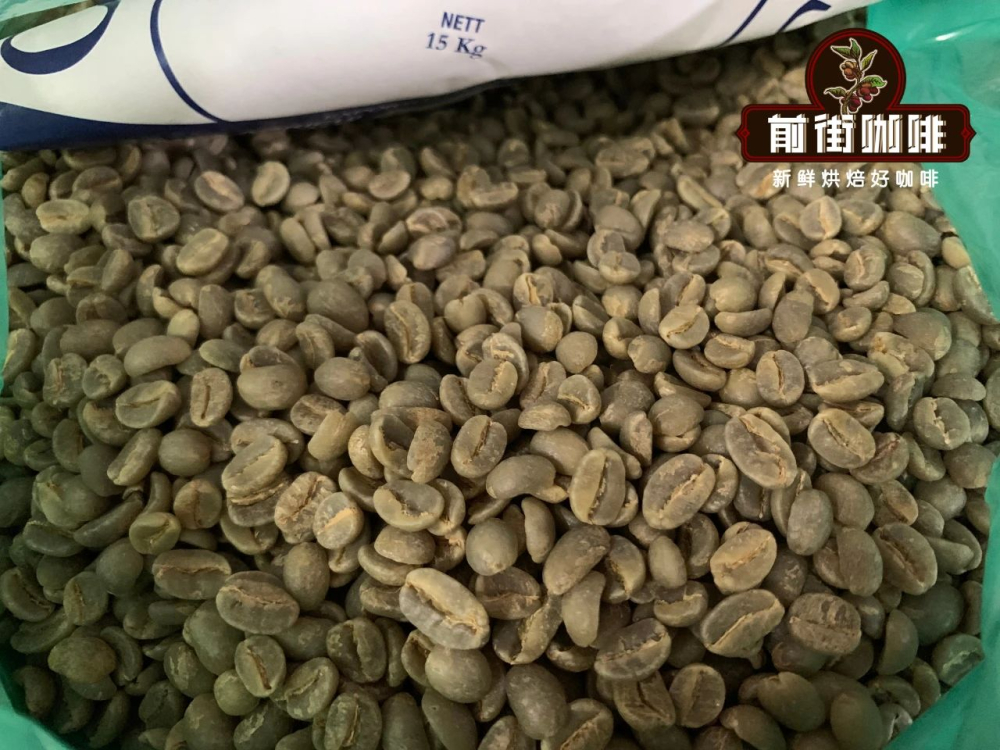
Authentic Blue Mountain coffee beans are always imported in original wooden barrels, with each barrel limited to specifications of 15 kg, 30 kg, or 70 kg. This makes it very difficult for small coffee shops to purchase independently—some opt to pool orders, but this approach often fails to ensure that every batch comes from a genuine source. Some operators have from the start insisted on whole-barrel purchases and chosen to collaborate with the Clifton Estate, one of the earliest farms in the Blue Mountain region to trade with mainland China, ensuring the purity of the bean origin. As early as 2019, this operator officially obtained the certificate of authorized distributor for the Clifton Estate in Jamaica. Currently, the Blue Mountain No. 1 coffee beans they sell are priced at 158 yuan per 100 grams. Compared to some e-commerce platforms where similar products are priced as high as 300 to 500 yuan, this price is relatively reasonable. However, in the past, due to scarce domestic quotas and multiple layers of markups by agents, the price of Blue Mountain coffee once soared. Today, some high-priced products are mostly the result of price gaps created by information asymmetry.
Having discussed how to identify genuine Blue Mountain coffee, we’ll now reveal several common types of "fake Blue Mountain" coffee. If you spot any of the following characteristics, you can almost be certain it’s not real Blue Mountain coffee.
The first type is so-called instant Blue Mountain coffee. Blue Mountain coffee exists only as whole beans or freshly ground coffee powder. Any product labeled as "Blue Mountain" but sold in instant packet form is almost certainly fake—or at best, using the Blue Mountain name as a marketing gimmick, with actual flavor far removed from the genuine article.
The second type is products labeled as "Blue Mountain flavor" or "Blue Mountain blend." These coffees usually don’t directly claim to use authentic Blue Mountain beans but instead attempt to simulate a Blue Mountain-like taste through dark roasting techniques and blending with beans from other regions. While such products may have a strong flavor, they are definitely not genuine Blue Mountain coffee from the core growing areas of Jamaica’s Blue Mountains.
The third type is products priced unreasonably low. For example, some Blue Mountain coffee on the market is sold for just a few dozen yuan per kilogram—such a price simply cannot cover the import costs and quality assurance of genuine Blue Mountain beans. Branded Blue Mountain coffee, while relatively more affordable in the market, still bases its pricing on reasonable costs and profit margins. If a Blue Mountain coffee product is priced so low it defies logic, consumers should be on high alert and avoid being tempted by cheap deals into buying counterfeit goods.
The above content is compiled by CoffeeHunters, a coffee news website.


