







Introduction:Blue Mountain coffee is hailed as the finest in the world of coffee, yet the market is flooded with products claiming to be “Blue Mountain.” So which ones are truly authentic, originating from the Blue Mountains of Jamaica? And does instant Blue Mountain coffee really help with weight loss? This article delves into the history, origin characteristics, authenticity verification methods of Blue Mountain coffee, as well as the truth behind commercial instant products, to give you a comprehensive understanding of this premium coffee and debunk common misconceptions.
Renowned for its rare production and exceptional quality, Blue Mountain coffee has long held a prestigious position in the coffee world. But do many of the so-called “Blue Mountain” instant coffees on the market really come from the Jamaican Blue Mountains? Do they offer the claimed weight loss benefits? This article will thoroughly analyze the positioning, origin traits, and key points of identifying genuine Blue Mountain coffee, while also exploring the true nature of instant versions and related myths, helping coffee lovers make more informed choices.
The preciousness of Blue Mountain coffee first stems from its extremely limited production. In the 1960s, while aiding Jamaica in post-disaster reconstruction, Japan also assisted in restoring the production and quality of Blue Mountain coffee. As a token of gratitude, the Jamaican government signed a preferential purchasing agreement with Japan. As a result, prior to 2012, up to 90% of Jamaica’s annual Blue Mountain coffee bean output was purchased by the Japanese market, leaving only 10% available to other countries—this contributed to Blue Mountain coffee being one of the most expensive coffees in the world at that time.
The fame of Blue Mountain coffee isn’t solely due to its high price—it also lies in the ultimate balance it delivers in flavor. Many enthusiasts who have tasted genuine Blue Mountain coffee are captivated by its deep aroma and layered taste profile. While not always classified as the highest grade, it undoubtedly belongs to the category of high-end specialty coffee.
Blue Mountain coffee is grown primarily in the Blue Mountains of Jamaica, where the highest peak reaches an elevation of 2,256 meters. The coffee trees are mainly cultivated at altitudes below 1,700 meters, with higher zones designated as ecological protection areas. This region enjoys a humid climate, with an average annual temperature of around 27 degrees Celsius, and is perennially shrouded in mist, providing ideal shading conditions. Coupled with fertile volcanic soil, these natural elements together create the unique flavor characteristics of Blue Mountain coffee beans.
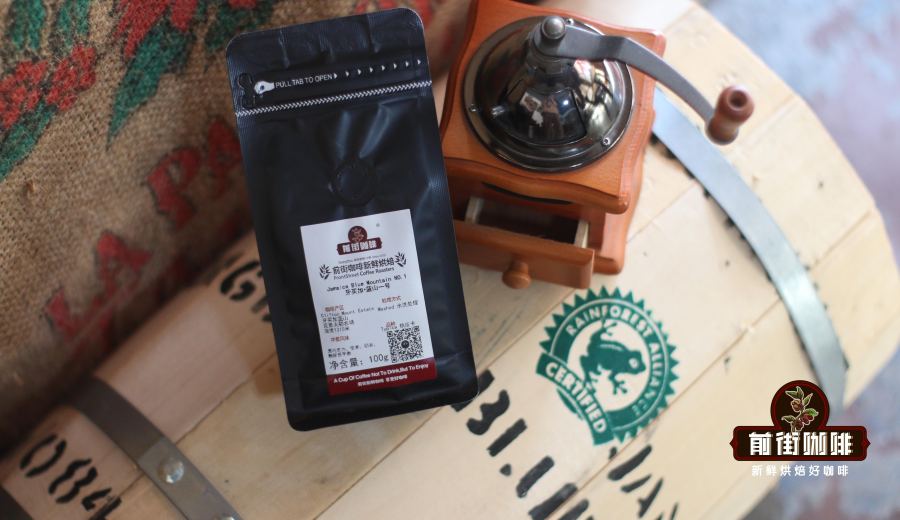
It’s worth noting that all exported Blue Mountain coffee beans must go through a rigorous certification process by the Jamaican government and are shipped in specially designated wooden barrels. Each barrel comes with an official certificate of origin. These barrels usually bear the label “Jamaica Blue Mountain Coffee” along with the name of the plantation, such as the Clifton Estate, and may also feature the Rainforest Alliance Certified green frog logo, ensuring consumers can trace its authentic provenance.
So, what about those instant coffees, freeze-dried coffees, or ready-to-drink products on the market that claim to have a “Blue Mountain flavor” or “taste like Blue Mountain coffee”? The answer is no. Most of these products merely contain flavoring agents that mimic the taste of Blue Mountain, without using any actual coffee beans from the Jamaican Blue Mountains. Moreover, such instant coffees often contain non-dairy creamers and added sugars—not only do they fail to deliver the original flavor of Blue Mountain coffee, but they also offer no benefit for weight loss. In fact, their high sugar and calorie content may even increase the risk of obesity.
If you wish to truly experience the charm of Blue Mountain coffee, it is recommended to choose beans from the authentic growing regions of the Jamaican Blue Mountains that come with official certification. Be sure to check the packaging for relevant certification information and origin labels. Additionally, since the flavor of coffee beans diminishes over time, prioritize freshly roasted products when making your selection to ensure you can enjoy the fullest, richest layers of aroma and taste that Blue Mountain coffee has to offer.
The above content is compiled by CoffeeHunters, a coffee news website.


