







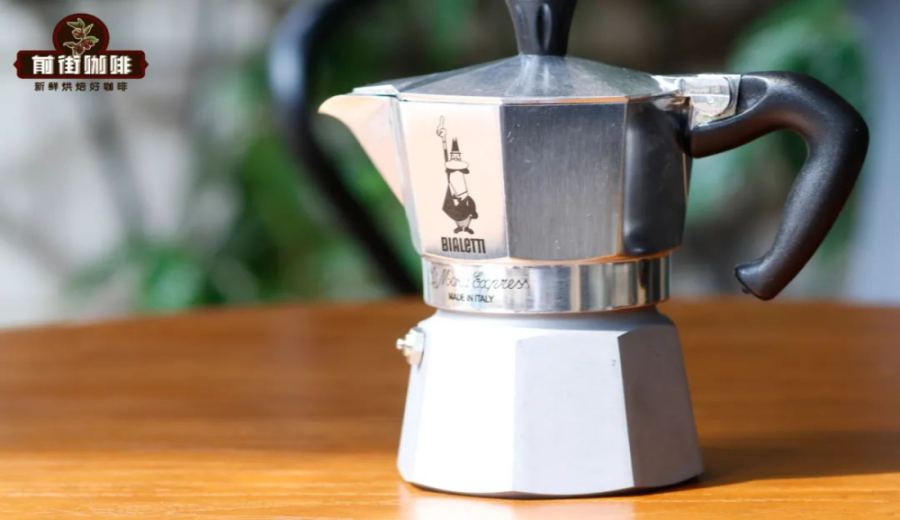
Introduction:The Moka pot is an essential starter tool for many coffee enthusiasts, but when using it for the first time, many often hear the advice that "the coffee brewed in the first three uses of a new Moka pot is not recommended for drinking," without understanding the reason behind it. Additionally, splattering during heating is another common issue for beginners. This article provides an in-depth analysis of the Moka pot seasoning process, causes of splattering, grind size and heat control, along with practical operational tips to help you safely and smoothly brew rich, crema-covered espresso.
The Moka pot was born in Italy in the 1930s and remains an indispensable coffee tool in many households to this day. This classic design is not only intuitive to operate but can also produce espresso with a flavor close to that of an espresso machine. However, beginners who have just purchased one often encounter two issues: first, why is the coffee brewed in the first few uses of a new Moka pot not recommended for drinking? And second, why does the coffee liquid tend to splatter suddenly during heating? This article will comprehensively analyze the key points of using a Moka pot, including seasoning and cleaning, structural principles, grind and heat adjustments, and daily maintenance, while preserving illustration placeholders to help you master every detail.
Why shouldn’t you drink from a new Moka pot for the first three uses?
A newly purchased Moka pot is mainly composed of metal materials and several delicate small parts. During the manufacturing and shipping processes, it may retain trace amounts of metal shavings or oil stains, and could also carry slight industrial odors. Therefore, it is recommended to perform a thorough cleaning and a "dry run" — known as the “seasoning” process — before the first use.
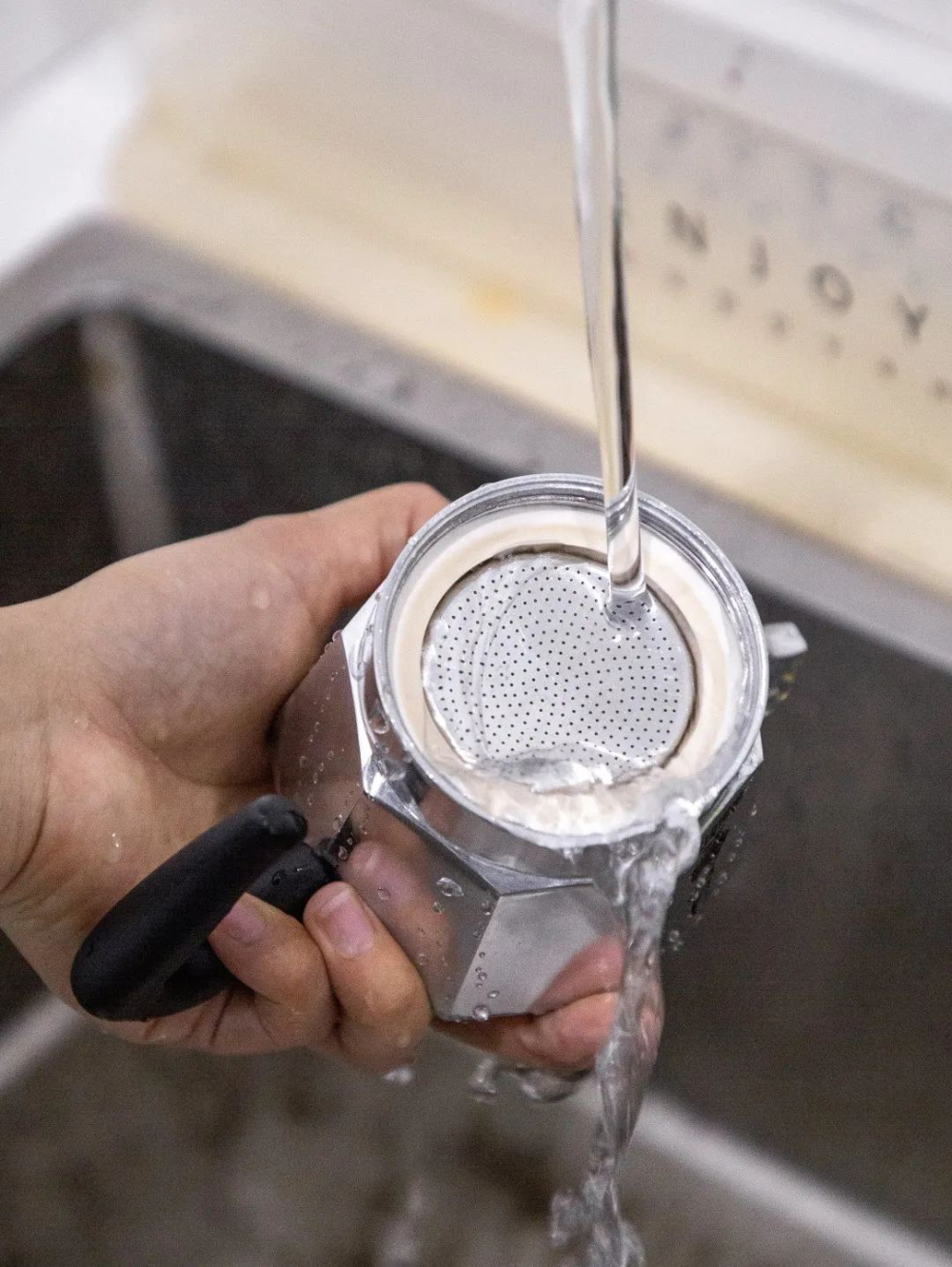
The specific method is as follows: first, disassemble all parts of the Moka pot and rinse them clean with water to remove surface dust and any foreign matter that might be attached. Then, follow the normal steps: pour in water, add coffee grounds (it’s recommended to use expired beans to avoid waste), tighten the upper and lower chambers, and then heat to brew. This process should be repeated for three rounds, with the goal of removing any internal impurities and residual odors. It is advised that the coffee brewed during these three initial uses is not suitable for drinking, as its primary purpose is cleaning and deodorizing.
Why does the coffee liquid splatter during heating?
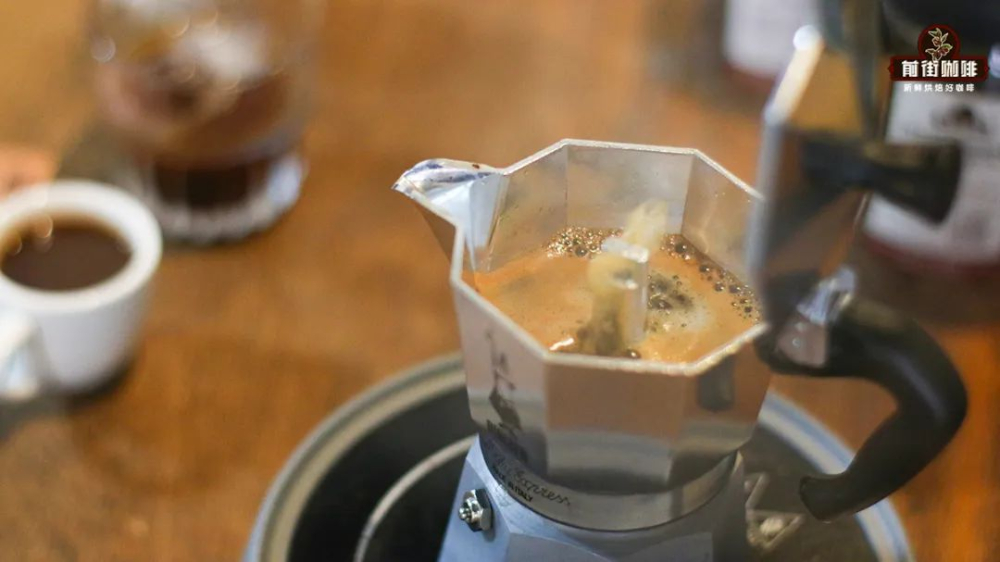
The operating principle of the Moka pot is similar to that of a small high-pressure extraction system. When the water in the lower chamber is heated, it turns into steam and creates pressure, pushing the hot water upward through the coffee grounds in the middle filter, and eventually collecting as coffee liquid in the upper chamber. However, if the pressure is too high, the passage is blocked, or the brewing conditions are improper, it can easily cause the liquid to spurt out, or even splash outside the pot, leading to burns or a dirty stovetop.
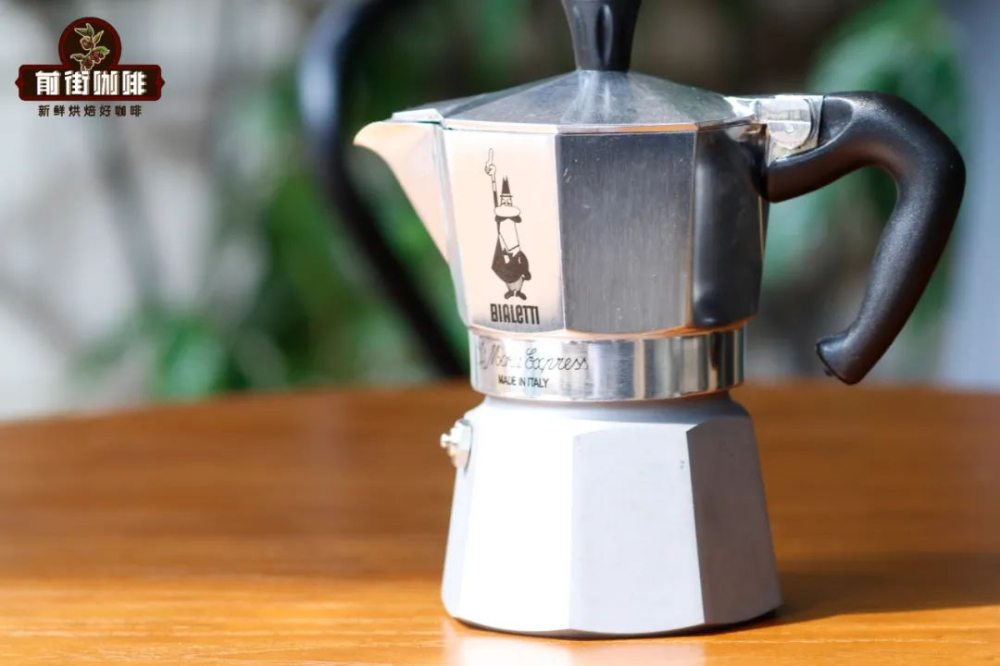
First, when filling water, make sure the water level does not exceed the standard marking line inside the pot body.Ideally, it should be kept about 0.5 cm belowthe pressure relief valve.
The pressure relief valve (usually marked by a small circle at the base of the pot) is a safety device designed to prevent explosions caused by overly fine coffee grounds or excessive pressure. If the water level exceeds this line, the pressure relief function may fail, greatly increasing the risk of danger.Second, the grind size required for a Moka pot generally falls between that of pour over and espresso,and it is recommended to be slightly coarser than the standard espresso grind
— approximately at the #3 to #3.5 settings on an EK-43s grinder. If the grind is too fine, water flow resistance increases, causing pressure to rise sharply. This not only leads to over-extraction but can also prevent pressure from being released smoothly, resulting in the coffee liquid gushing out in a jet-like manner. Sometimes it may even spray out along with hot steam and coffee grounds, posing a safety hazard.
In addition, controlling the heating flame is equally crucial. Too high a flame can cause uneven heating in the lower chamber and a sudden spike in pressure; too low a flame may lead to under-extraction or excessively slow flow. It is recommended to use a ceramic stove and adjust it to a stable medium flame (such as setting P2), helping to maintain a steady heating process. This promotes balanced pressure release and reduces the chance of splattering.
Other precautions when using a Moka pot
Since Moka pots are mostly made of metal, especially when heated, the pot body can become extremely hot. It is recommended to use a damp cloth to assist in handling the pot to avoid direct contact and potential burns. If you hear a “whistling” sound during heating but no coffee liquid drips from the upper chamber, it may be that the spout is clogged by coffee grounds. In this case, you should immediately turn off the heat to prevent continuous pressure buildup, which could damage or even cause the pot to explode.
After each use, it is recommended to clean the Moka pot as soon as possible, especially the filter plate, sealing gasket, and central channel, to prevent coffee grounds from drying and hardening. Not only can this cause odors, but it can also affect future brewing performance and the stability of the flow rate.
What kind of coffee beans are suitable for a Moka pot?
Since the Moka pot uses pressure extraction, similar to an espresso machine, it is recommended to choose medium to dark roast or dark roast coffee beans. Light roast beans are usually harder in texture, and if used in a Moka pot, they often need to be ground finer. However, under high pressure and high temperature, an overly fine grind can extract excessive sharp acidity and harsh flavors, and is also not conducive to the release of coffee crema.
The above content is compiled by CoffeeHunters, a coffee news website.


