







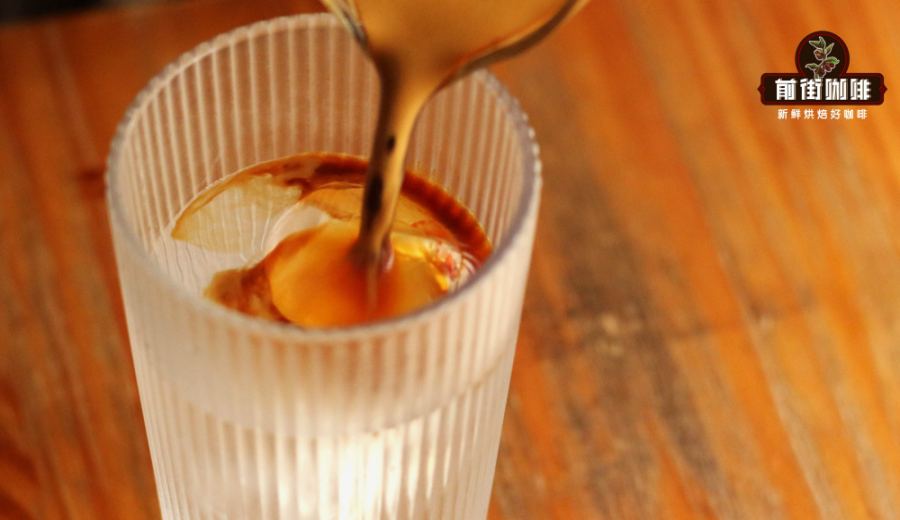
Introduction:With its refreshing taste and versatile strength, iced Americano has become the go-to daily pick-me-up for many. This article not only breaks down the flavor profile and extraction principles of Americano, but also details how to craft one that suits your taste by selecting beans, adjusting the coffee-to-water ratio, and controlling brew time. Additionally, it compiles scientifically supported timing tips on when to drink it, teaching you how to harness black coffee to assist with fat loss — helping you master everything from bean selection to brewing in one go.
The reason Americano is so widely loved lies in its blend of the richness of espresso and the freshness of water, with strength tailored to personal preference. This beverage, made by diluting a shot of espresso with water, originated from the concept of adjusting a single shot with water to suit individual taste needs. Many cafés maintain consistency by adhering to fixed coffee-to-water ratios based on the beans they use — common examples include 1:2 or 1:3 — but customers can also request adjustments to the espresso amount or water volume according to their taste.
If you prefer a bold and rich flavor, you can reduce the amount of water added or increase the espresso portion; conversely, if you want a lighter and more delicate taste, you can increase the water proportion or use less espresso. This flexibility is what makes Americano so appealing, and it’s also the key to why it can adapt to various settings and flavor preferences.
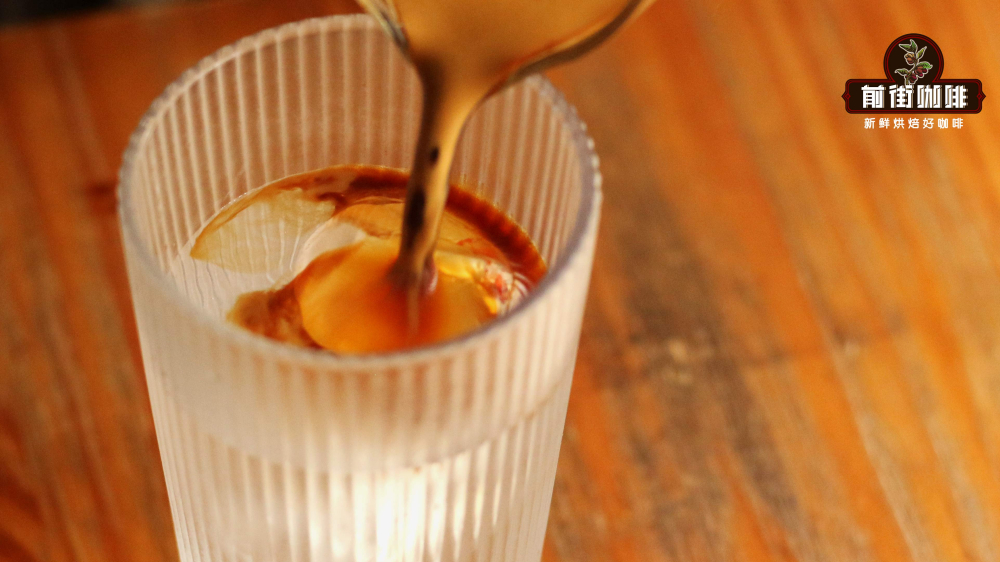
The overall flavor of Americano mainly comes from the coffee beans used to extract the base espresso. Generally, most espresso blends combine beans from different origins, roasted to medium-dark or darker levels to give the coffee a richer foundation and more complex layers. Common combinations like Brazil and Mandheling can showcase a thick, dark chocolate-like body with mild bitterness, along with a unique firm texture; while blends of Colombia and Brazil often present a smooth flavor profile interwoven with nuts and caramel aromas.
For those brewing at home or running a café, choosing the right beans is crucial. Here are several common and representative espresso blend flavor profiles for you to choose from based on your preferences:
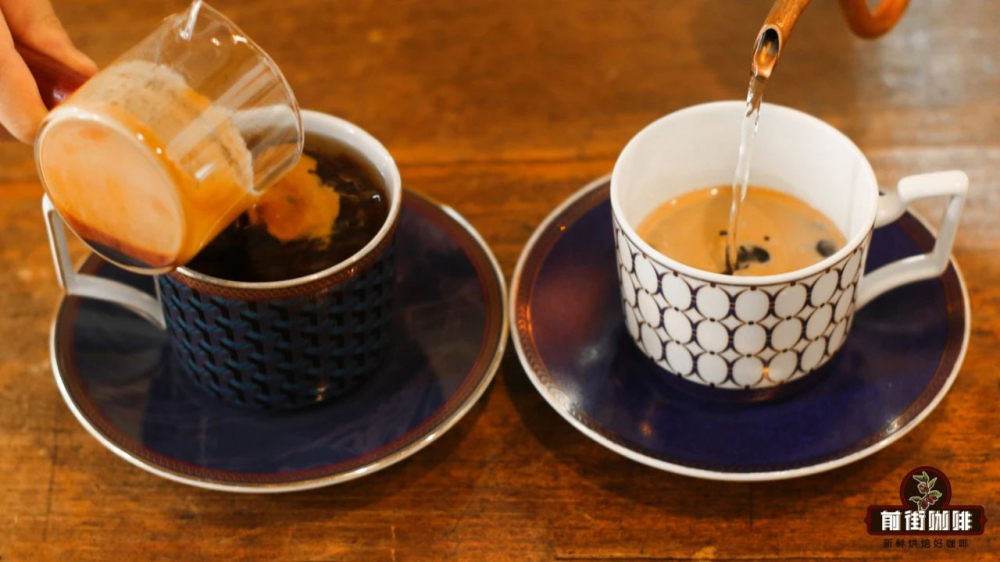
First are blends with prominent winey notes, often based on sun-dried beans, delivering distinct wine-like, vanilla, and berry characteristics, with a mellow roasted nut aftertaste. These blends are ideal for those who enjoy layered, uniquely aromatic cups.
Next are nutty-focused blends, typically showcasing stable notes of nuts, dark chocolate, and caramel, with a smooth mouthfeel and high balance — perfect for everyday drinking or pairing with various meals.
There are also blends that emphasize a full body, often using a certain proportion of Robusta or dark-roasted beans, delivering intense cocoa, nut, and caramel flavors — suitable for those who enjoy a strong taste.
Additionally, blends that are mildly acidic yet still rich are quite popular. These usually offer soft fruit acidity, caramel aroma, and a smooth nutty finish, catering to consumers seeking a refreshing yet layered cup.
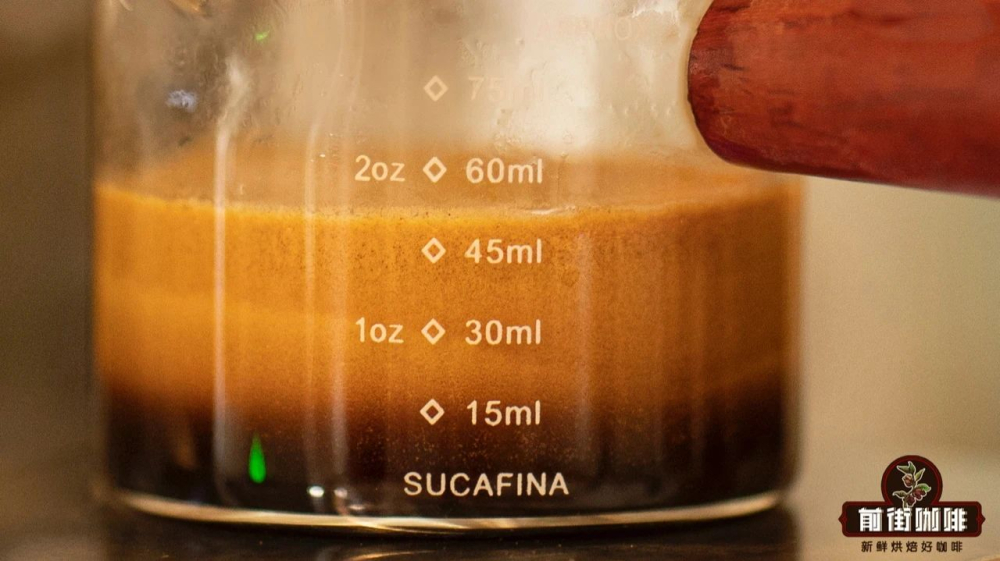
The first step in making an Americano is to extract a shot of espresso, then dilute it with hot or cold water. If using an espresso machine, beginners are advised to start with the following parameters: use about 20 grams of finely ground coffee, extract 40 grams of coffee liquid under 9 bar pressure, keeping the brew time between 25 to 30 seconds. This 1:2 coffee-to-water ratio is a common starting point; the resulting espresso can then be diluted with an equal or double amount of hot water to make a standard Americano.
If you’re making it at home with a moka pot, there’s a simple process too: first grind 20 grams of coffee beans to a coarseness similar to caster sugar. Separate the upper and lower chambers of the moka pot, fill the lower chamber with water (never exceeding the safety valve), place the ground coffee in the metal filter basket and gently tamp it down (do not press too hard), then reinsert the filter basket and ensure the upper and lower chambers are tightly sealed. Heat over low to medium heat with the lid open to prevent overflow, and turn off the heat once you see the coffee start to flow out — pour it out as soon as possible.
After brewing with the moka pot, you can also adjust the concentration to your liking by adding hot or cold water, crafting your own personalized Americano.
As for whether black coffee can aid in fat loss, some studies suggest that caffeine in coffee can boost metabolism and help break down fat, but its effect still depends on diet control and regular exercise. It is recommended to drink a cup of black coffee 30 minutes to 1 hour after a meal, which can aid digestion; if paired with light exercise, the fat-burning effect is even more noticeable.
In addition, many people have the habit of drinking black coffee about 30 minutes before exercising. Caffeine can enhance athletic performance and accelerate the conversion of fat into energy, thereby improving fat-loss efficiency. But it must be emphasized that relying solely on black coffee will absolutely not lead to weight loss — maintaining healthy eating habits and consistent exercise is key.
In summary, whether you're pursuing flavor, a caffeine boost, or hoping to use black coffee as part of your daily health management, understanding extraction principles, selecting the right beans, and mastering the correct ratios are all essential steps to elevate you from a beginner to a true coffee connoisseur.
The above content is compiled by CoffeeHunters, a coffee news website.


