







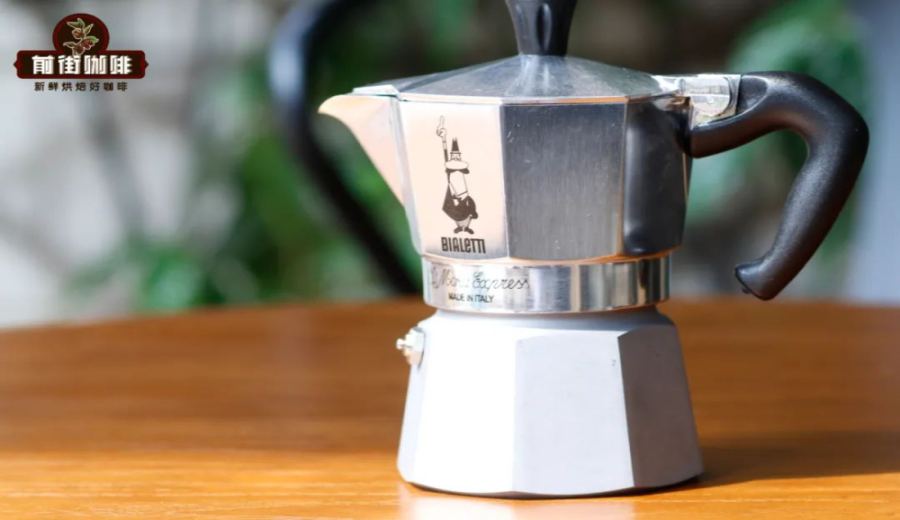
Introduction:The moka pot is the go-to tool for many home coffee enthusiasts just starting out. It features a simple structure, intuitive operation, and allows you to brew a drink with espresso-like flavors without the need for expensive equipment. This article delves into the working principle of the moka pot, correct usage steps, extraction characteristics, common issues, and recommends several medium to dark roasted coffee beans that are well-suited for moka pot brewing, helping you master the key techniques for making rich and aromatic coffee at home.
As a classic and practical home coffee brewing device, the moka pot stands out due to its ease of use and affordability, making it a top choice for many beginners and home users. Although it cannot fully replicate the high-pressure extraction effect of a professional espresso machine, it is definitely a tool worth exploring if you want to enjoy an espresso-like beverage at home. This article will guide you through its working principle, practical operation process, analysis of pros and cons, and recommendations for suitable medium to dark roasted coffee beans, giving you a comprehensive understanding of how to use this classic brewing tool.
[Extraction Principle of the Moka Pot]
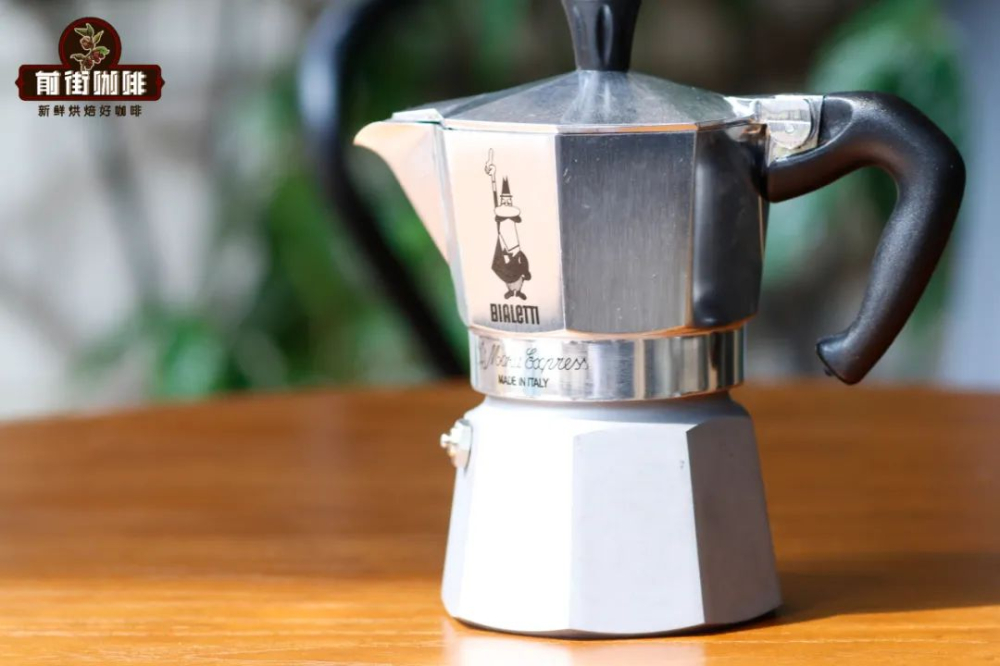
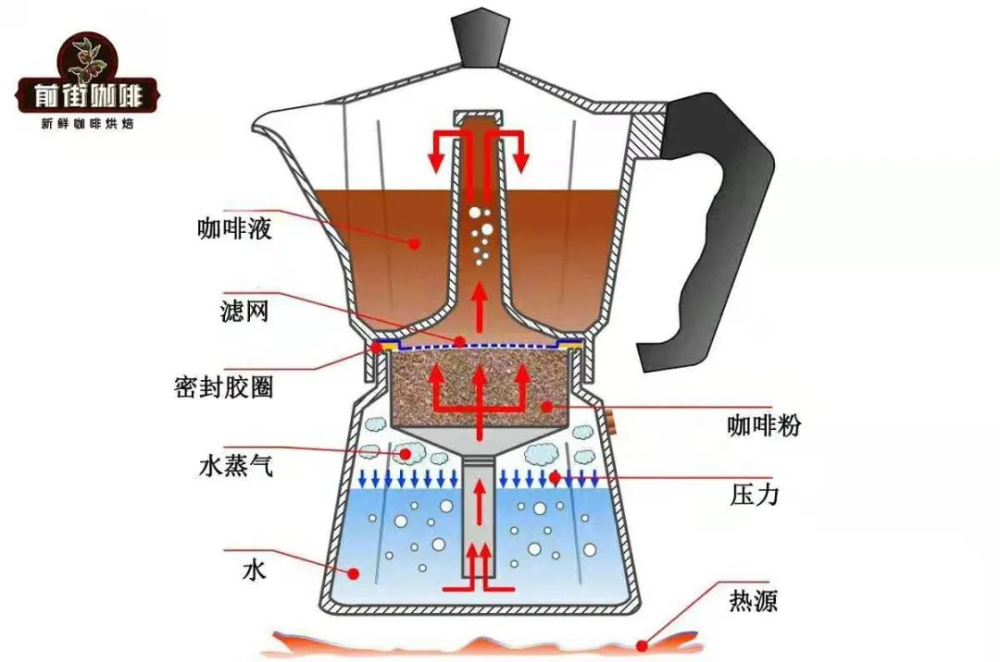
The moka pot was invented in 1933 by the Italian brand Bialetti. It is a brewing device that uses heat to generate pressure and extract coffee flavors. Its operating pressure is around 1 to 2 bar, which, although not as high as the 9 bar of professional machines, is still sufficient to bring out the rich aroma and crema of the coffee. The moka pot mainly consists of three parts: the upper chamber, the filter basket, and the lower chamber. Water is placed in the lower chamber, ground coffee is placed in the filter basket, and the upper chamber collects the brewed coffee. When the water in the lower chamber is heated, steam pressure pushes the hot water up through the coffee grounds, eventually producing a rich coffee liquid that flows into the upper chamber.
Currently, moka pots on the market are mainly divided into single-valve and double-valve types. In single-valve designs, the coffee liquid flows directly out through the central small hole, while the double-valve moka pot has an additional pressure valve next to the hollow tube, which only opens when a higher steam pressure is reached. As a result, it can extract more coffee oils, leading to a richer flavor. However, due to the higher pressure, using too fine a grind or too much coffee can easily lead to over-extraction. It’s recommended to adjust the parameters appropriately based on your usage.
[Practical Operation Steps and Tips]
Using a moka pot is not complicated, but each step affects the final extraction results. First, add water to the lower chamber — the water level should be below the safety valve. A suggested starting amount is about 130 ml, and using hot water can shorten the heating time. Next, fill the filter basket with medium-fine ground coffee, about the grind size of EK-43s#3-3.5, fill it to about nine-tenths full, then gently level it off. Place the filter basket into the lower chamber. After securely assembling the upper and lower chambers, place the moka pot on a gas stove or induction cooker to heat. If using an open flame, ensure the flame does not extend beyond the base of the pot to avoid localized overheating.
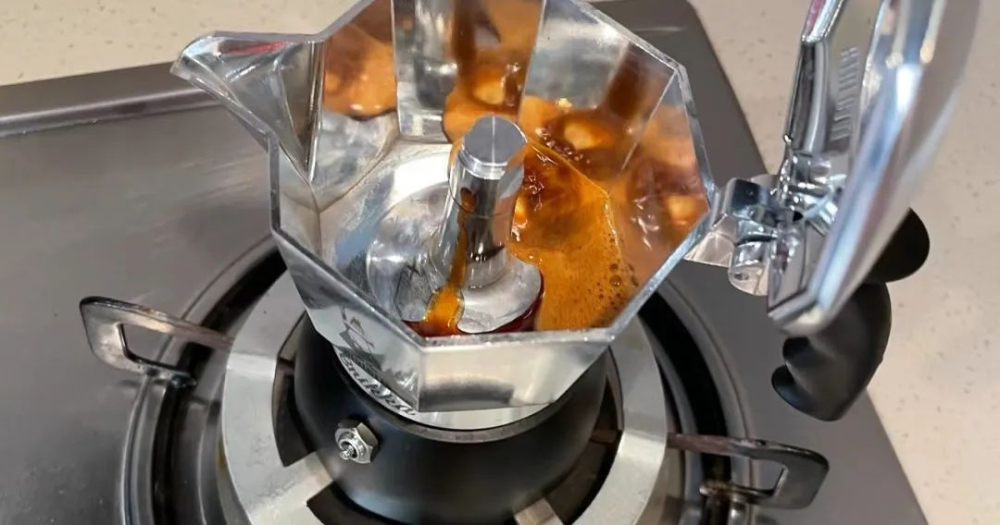
When you hear a hissing sound from inside the pot, it indicates that the pressure is gradually increasing. At this point, reduce the flame to low to allow the coffee and crema to flow steadily into the upper chamber. Once the upper chamber is about half full, you can turn off the heat and let the remaining heat complete the final extraction. This approach helps prevent over-extraction and maintains a balanced coffee flavor. Finally, pour the coffee into a cup. You can adjust it according to personal taste preferences — feel free to add water or milk as desired.
[Advantages and Limitations of the Moka Pot]
The greatest advantage of the moka pot lies in its simplicity and affordability, making it suitable for everyday use in most households. Compared to expensive professional coffee machines, the moka pot requires no complex setup and can complete extraction simply through heating and pressure. However, with its pressure limited to about 2 bar — far from the 9 bar found in professional machines — the resulting coffee is slightly less concentrated and detailed, and the mouthfeel is also less smooth. In addition, the lack of precise extraction measurement systems means it relies entirely on manual control and observation, requiring some practice and experience accumulation, especially for beginners.
Additionally, most moka pots are made of metal, and the body can become extremely hot during heating. Be sure to handle it carefully to avoid burns. After each use, it’s recommended to thoroughly clean the pot to prevent coffee grounds from clogging the filter holes. Long-term buildup may affect extraction performance and could even damage the equipment.
[Recommended Medium to Dark Roasted Coffee Beans for the Moka Pot]
Moka pot brewing uses pressurized extraction, which is fundamentally different from drip-style methods such as pour over. Therefore, the selection of coffee beans also varies. Generally, light-roasted beans, with their bright acidity, can release overly sharp acidic notes under pressurized brewing, making them less suitable. It is recommended to prioritize medium to dark roasted coffee beans, which not only showcase rich caramel, nutty, and chocolatey flavors but also help release enticing coffee oils, adding layers and body to the beverage.
When selecting coffee beans, freshness is one of the key factors. It’s advisable to choose beans with a recent roast date to ensure optimal flavor. Additionally, because moka pot extraction is quick, the uniformity of the coffee grounds and the fineness of the grind are relatively important. A fine and consistent grind setting is suitable, usually close to the grind size used for espresso.
[Practical Bean Recommendations]
For example, the Yellow Bourbon variety produced by Brazil’s Queen Estate, when medium to dark roasted, exhibits rich nutty and chocolatey tones paired with caramel aromas. When brewed with a moka pot using pressurized extraction, it delivers a full-bodied and long-lasting aftertaste. Another option is the Caturra variety from Colombia’s Huila region, processed using the washed method to highlight gentle fruit acidity and rich caramel notes. When brewed with a moka pot, it offers a balanced and clean rich flavor, making it ideal for coffee lovers who enjoy a full-bodied yet not overly heavy taste.
The above content is compiled by CoffeeHunters, a coffee news website.


