







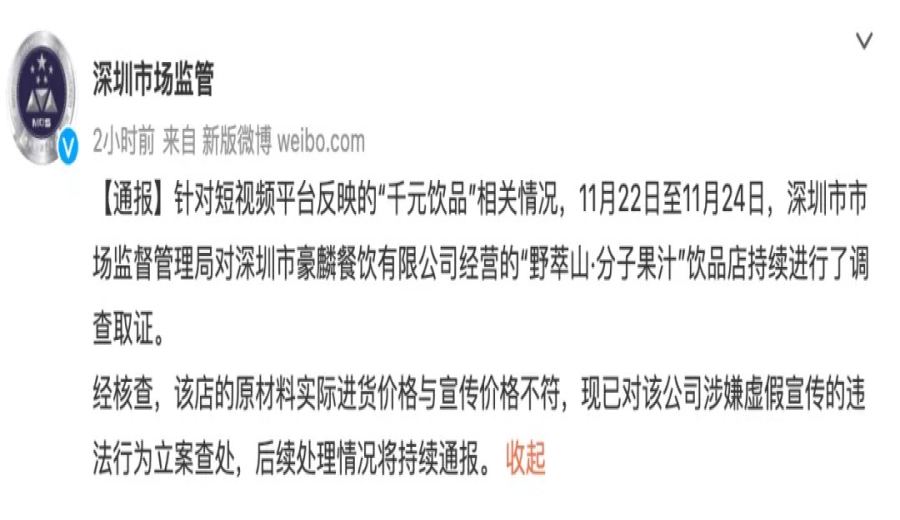
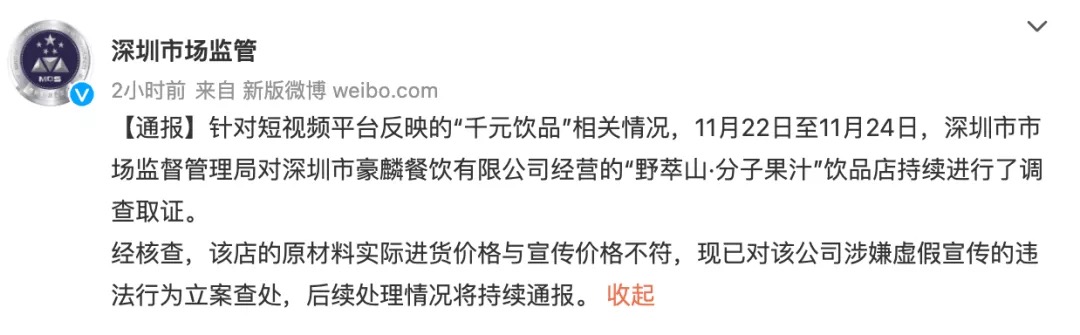
Introduction:Shenzhen-based beverage brand Heytea launched a thousand-yuan olive juice, which was investigated by market regulators due to suspected false advertising, sparking widespread consumer discussion. Beyond questioning whether the drink is worth its price, many are curious about why Chaozhou-Shantou olives can command such an exorbitant price. This article delves into the incident, official investigation grounds, and explores the truth behind this high-priced juice and the unique value of Chaozhou-Shantou olives from perspectives such as raw material sourcing and market supply-demand.
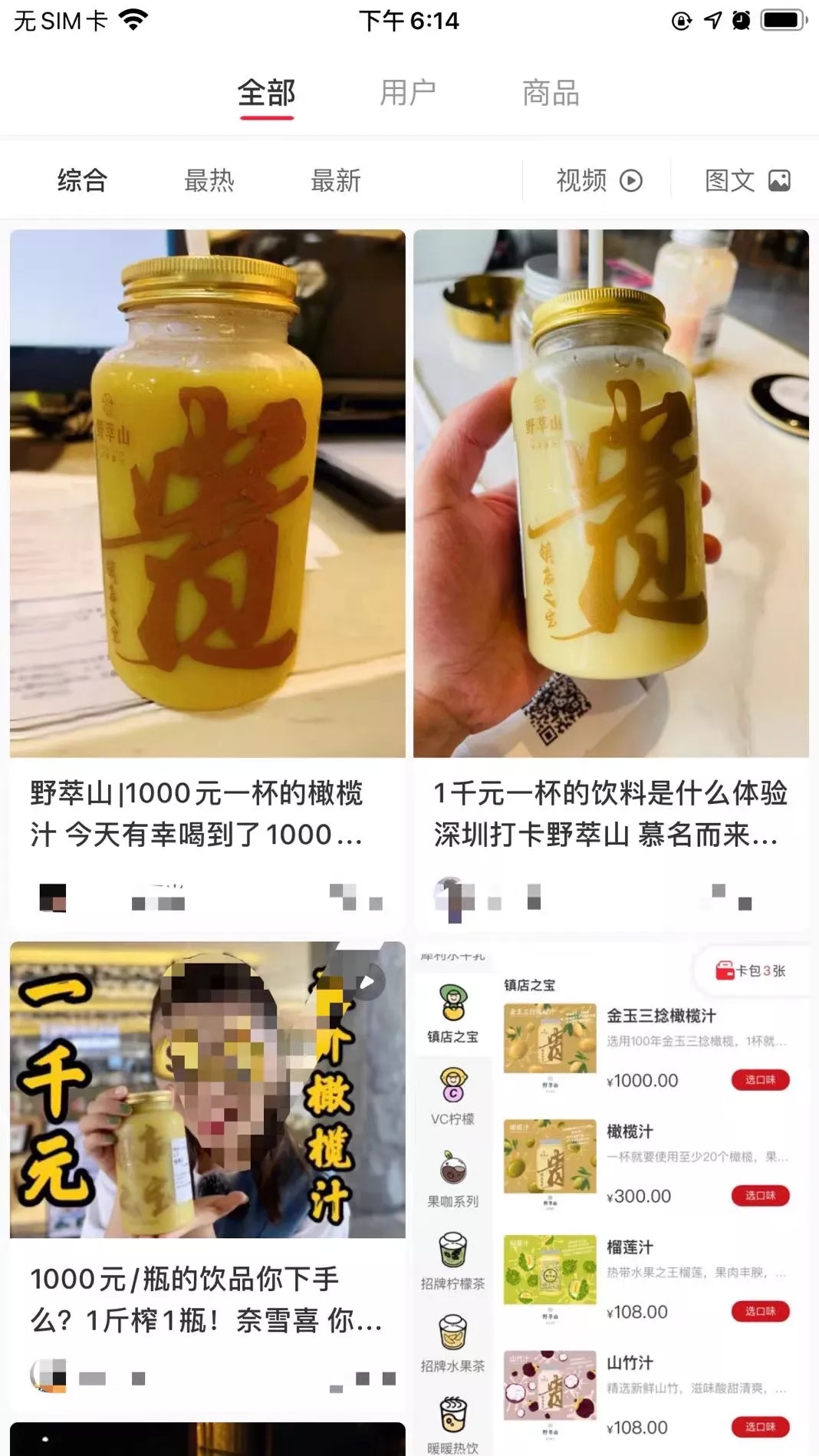
Recently, renowned beverage brand Heytea introduced a thousand-yuan olive juice in Shenzhen, immediately drawing significant market attention. However, the product was quickly investigated by local market regulators due to suspicions of false advertising, becoming a focal point of public discourse. Many consumers expressed confusion on social platforms, with some even posting purchase receipts to inquire about refunds, highlighting widespread skepticism about the rationale behind high-priced beverages.
This incident not only prompts a re-evaluation of brand marketing strategies but also sparks discussions about Chaozhou-Shantou olives, a regional specialty. Why can this seemingly ordinary fruit support such an expensive product pricing? To answer this, we need to examine the event’s development, the regulatory basis for the investigation, as well as the origin background and market value of Chaozhou-Shantou olives.
First, regarding the external criticism of "false advertising," reports indicate that the correlation between the pricing of this olive juice and its actual ingredient costs and production processes has been questioned. Observers noted that although the brand emphasizes the use of "Chaozhou-Shantou premium-grade olives," it fails to clearly disclose specific sources or processing details, potentially leading consumers to assume that a high price equates to rarity or superior efficacy, thereby raising doubts about whether the promotion is overly embellished.
Upon receiving public feedback, market regulators promptly initiated an investigation, focusing on clarifying whether the beverage’s labeling matches its actual contents, if its pricing has a reasonable basis, and whether its promotional language misleads consumers. Preliminary findings suggest that the product’s claims indeed contain certain ambiguities, prompting regulators to request further clarification and improvement plans from the business.
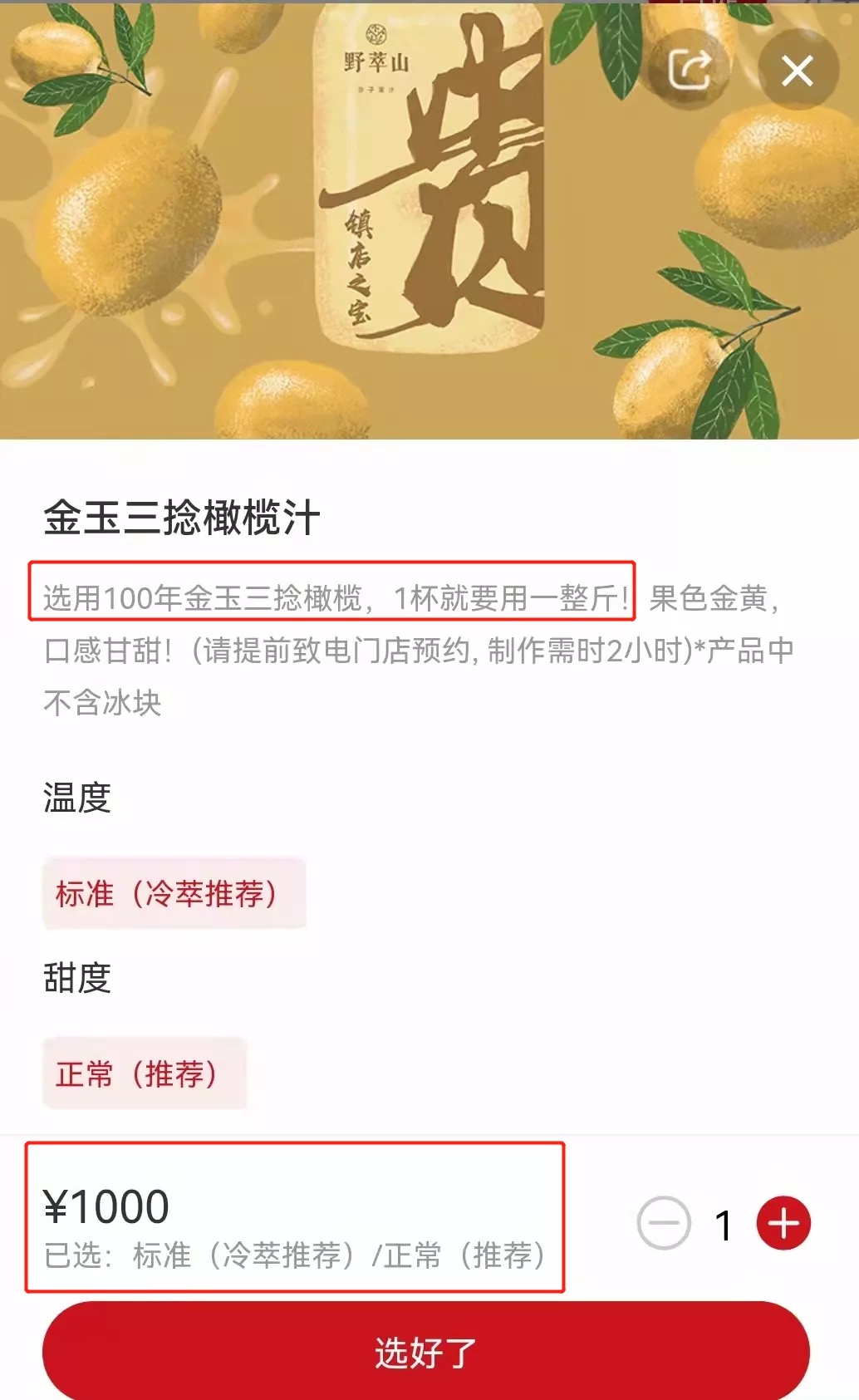
So, what exactly are Chaozhou-Shantou olives? Why have they become the star of this sky-high-priced drink? The Chaozhou-Shantou region, located in the southeastern part of Guangdong Province, boasts a humid climate and fertile soil, making it highly suitable for olive cultivation. The region produces a variety of olives, with some premium varieties—renowned for their unique fruity aroma and lingering sweetness—long regarded as local treasures, even earning the title "King of Olives." These select olives not only have limited production but also involve relatively complex harvesting and processing procedures, thus inherently commanding higher prices.
Generally, the market price of Chaozhou-Shantou premium-grade olives can reach several hundred yuan per jin (500g). If the olives are specially selected, aged, or processed using traditional methods, their prices may climb even higher. Therefore, if the drink indeed uses such high-grade ingredients, its base cost would naturally be much higher than that of commonly available olives. However, supporting a thousand-yuan price tag also requires consideration of brand premium, packaging design, marketing costs, and other factors.

For consumers, when faced with similar high-priced beverages, it is advisable to maintain rational judgment. Before purchasing, one might first understand the actual sources of the product’s ingredients, its production process, and whether the brand’s highlighted features are objectively substantiated. Additionally, referring to other consumers’ real experiences and reviews can help avoid being swayed by marketing rhetoric, thus preventing unnecessary post-purchase regret.
In summary, the controversy over the thousand-yuan olive juice is not merely an isolated brand incident but reflects the delicate relationship between marketing, pricing, and consumer expectations in today’s premium beverage market. By gaining a deeper understanding of the regional characteristics and market positioning of Chaozhou-Shantou olives, we can more clearly comprehend the logic behind this high-priced juice and make wiser choices when encountering similar products in the future.
The above content is compiled by CoffeeHunters, a coffee news website.


