







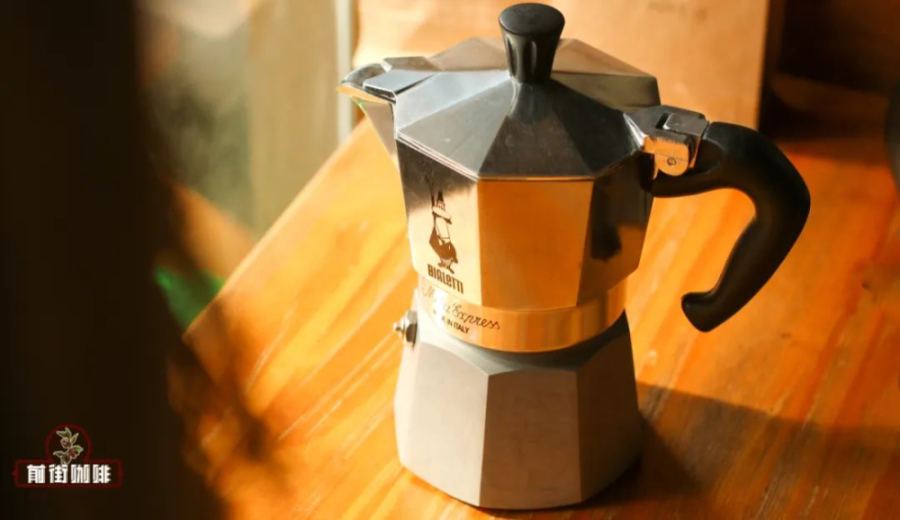
Introduction:The Moka pot is the go-to choice for many coffee enthusiasts entering the world of pressurized brewing, allowing you to easily make strong, espresso-like coffee at home. However, in actual use, many beginners often encounter issues such as coffee spraying out, no liquid being extracted, or minimal crema formation. Additionally, some wonder whether the Moka pot can brew multiple cups in one go or if it’s safe to heat with an alcohol lamp. This article will take an in-depth look at these three common concerns and offer practical usage tips to help you use your Moka pot more safely and efficiently.
Like an espresso machine, the Moka pot operates on the principle of pressurized brewing, enabling it to produce a beverage with a concentration close to that of espresso. Thanks to its simple structure, compact size, and relatively affordable price, it has become a favorite among many households and novice coffee drinkers. However, precisely because it seems easy to use, many first-time users often run into various operational challenges—such as coffee spraying directly out, no liquid coming through during extraction, or almost no crema visible on the surface of the brewed coffee.
These problems not only affect the brewing experience but may also lead you to doubt the effectiveness of the Moka pot. This article will address the three most common issues—coffee spraying, no liquid extraction, and lack of crema—with detailed cause analyses and specific improvement suggestions. It will also answer several extended questions that many readers are curious about, such as whether the Moka pot can brew multiple cups consecutively or if it’s safe to use with an alcohol lamp, helping you fully master the techniques for using this classic brewing device.
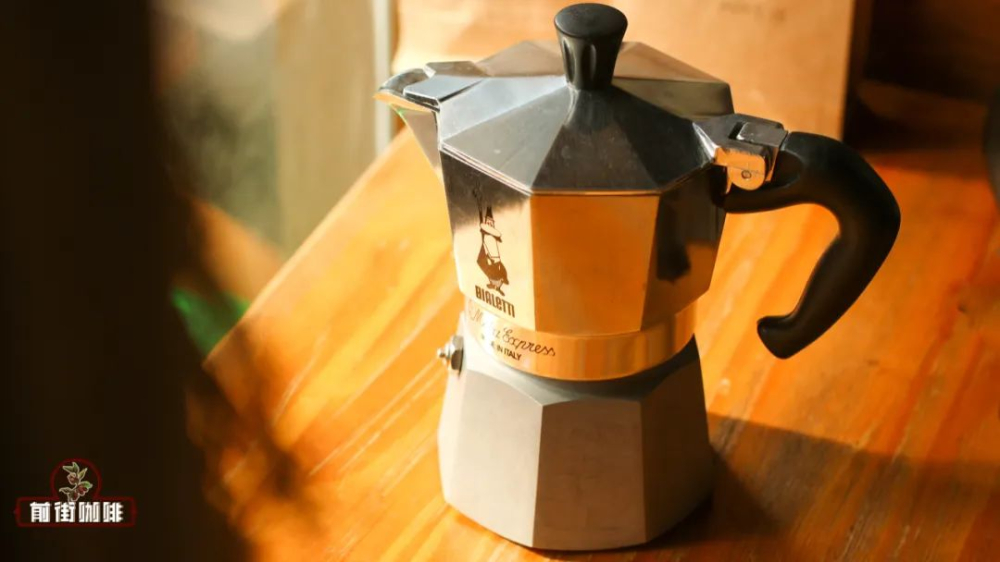
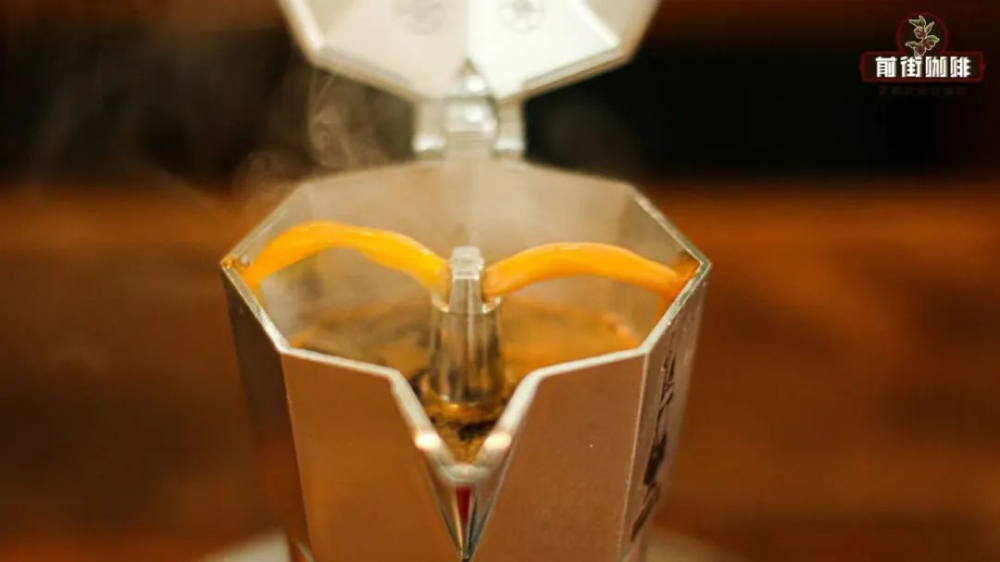
First, many people may be surprised to find that, upon their first use of a Moka pot, the coffee doesn’t flow out slowly but instead gushes out like a water jet, sometimes even forming what’s known as a “double ponytail” effect. This is usually due to insufficient resistance from the coffee puck, allowing the high-pressure steam to push the liquid out too easily, resulting in splashing or spillage. This situation can be divided into two types: spraying right from the start, or the flow suddenly accelerating midway through extraction. If it’s the former, it’s recommended to increase the amount of coffee grounds, adjust the grind to be finer, or apply moderate tamping to the puck to increase overall resistance. If it’s the latter, it may be that the heat source is too high or applied for too long, causing the puck’s resistance to decrease over time. In this case, you should promptly remove the Moka pot from the heat to avoid gushing or even burns.
On the other hand, many users also face the issue of heating the Moka pot for a long time without a single drop of coffee coming out. This not only causes frustration but, if the water level exceeds the safety valve when pouring in water, can even pose an explosion risk—so it’s advised to stop heating immediately. Common causes of this issue include grinding too fine, using too much coffee, or tamping too tightly, which prevents water from passing through the coffee bed smoothly. When these factors combine, the resistance of the puck becomes too great, almost completely blocking the water flow. This not only reduces extraction efficiency but can also lead to over-extraction, making the coffee extremely bitter. If you encounter this, you should first check the above parameters and gradually adjust them to find a suitable balance.
Additionally, some users find that the coffee brewed with a Moka pot has almost no visible crema layer (the creamy foam). In reality, although the Moka pot can’t produce the thick, velvety crema that a professional espresso machine can, proper operation can still yield a fine, short-lived foam layer. This is mainly formed by the release of carbon dioxide from the coffee beans under pressure. If you find that your brewed coffee has almost no foam, possible reasons could include: the coffee beans being too lightly roasted, the grind being too coarse, the beans being roasted too long ago, or using pre-ground coffee. Light roasts, due to their higher hardness and slower water absorption, along with insufficient carbon dioxide release, not only struggle to form crema under high pressure and high temperature but can also lead to spraying or under-extraction. It’s recommended to choose medium to dark roasted beans, such as Golden Mandheling, commercial blends, or coffees with caramel notes, which can significantly improve this issue.
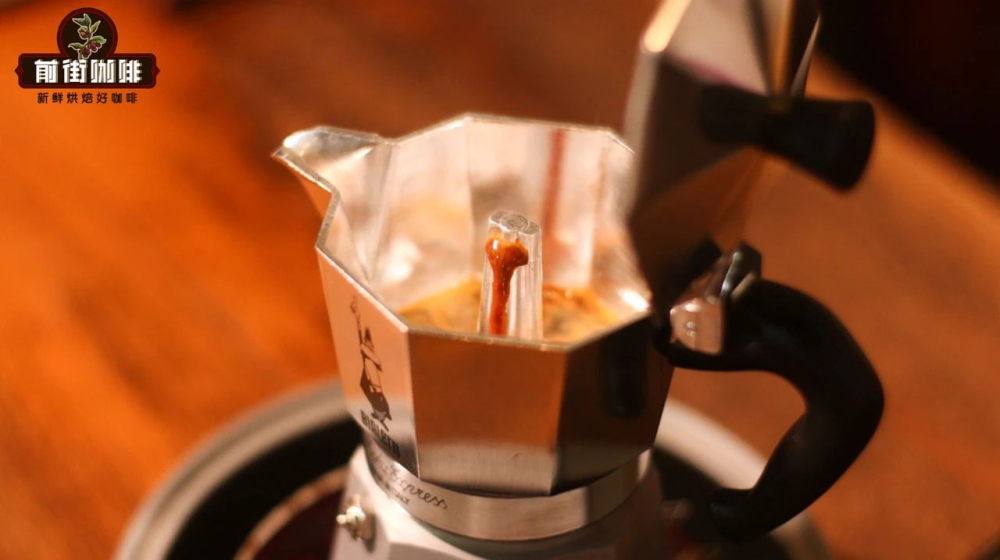
To address the issue of faint crema, besides checking the roast level and freshness of the coffee beans, you can also start by adjusting the grind size and coffee dosage. Slightly refining the grind or increasing the coffee amount moderately can enhance the overall density and resistance of the puck, helping to form an appropriate amount of foam during pressurized extraction. At the same time, observing the flow rate of the coffee is also a key indicator: if the flow is too fast, it usually means the resistance is insufficient and further adjustments are needed; if it’s too slow, it may indicate blockage or excessive coffee amount.
Beyond these three common issues, many readers also ask: Can the Moka pot brew multiple cups of coffee in a row? The answer is yes, but it depends on the Moka pot’s capacity and heating conditions. Generally speaking, if your Moka pot is of standard single-use capacity (e.g., 2 or 3 servings), and the heat source is stable, you can brew 2 to 3 cups consecutively. However, it’s advisable to let the pot and base cool down slightly between extractions to avoid overheating, which can impact the quality of subsequent brews. If you wish to brew multiple cups at once, it’s better to use a larger-capacity Moka pot and ensure the heat source is even and the flame stable to maintain consistent extraction.
Another common question is: Can Moka pots from brands like Bialetti be heated with an alcohol lamp? The answer is yes, but safety and operational details must be considered. An alcohol lamp is a small, stable heat source suitable for outdoor or off-grid environments, but because its flame output is relatively small and concentrated, it’s recommended to use a Moka pot with a thinner base and to keep the flame focused on the center of the base, avoiding direct heating of the upper parts which can lead to uneven heating. Additionally, use it in a wind-free environment and pay attention to alcohol levels and flame height to prevent accidental tipping or overheating. If you frequently use your Moka pot outdoors or in special settings, an alcohol lamp can be a convenient alternative—but always handle it with care.
The above content is compiled by CoffeeHunters, a coffee news website.


