







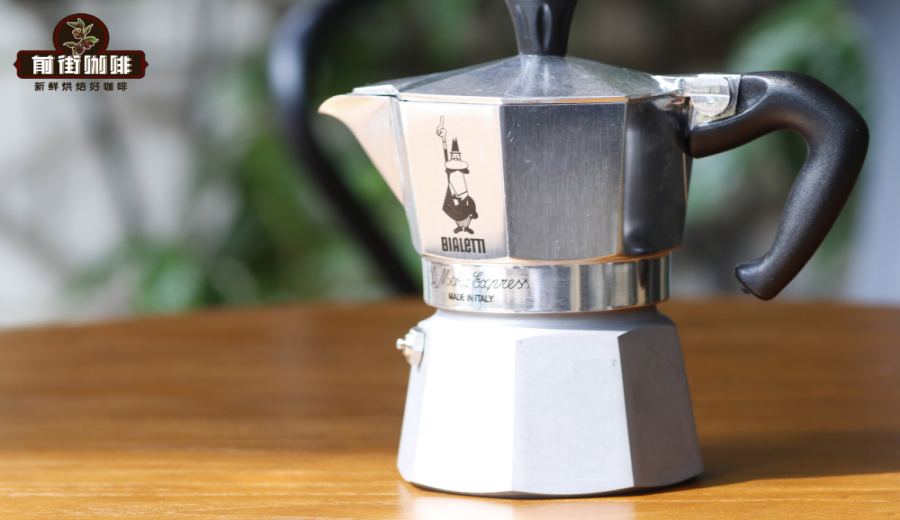
Introduction:As a classic home espresso-making device, the moka pot may seem simple to operate, but it involves many subtle details. This article delves into whether the coffee chamber of a moka pot needs to be completely filled, the structural differences and practical extraction impacts between single-valve and double-valve designs, and shares practical methods to enhance flavor and control extraction — helping you find the most suitable way to use it.
Having been around for nearly a century, the moka pot remains a top choice for many coffee enthusiasts due to its classic design and user-friendly operation. Especially with the launch of the new pressurized versions, its popularity has surged once again. However, many users still have questions about how to use it, such as: Does the coffee chamber really need to be fully filled? How do you choose between a single-valve and a double-valve moka pot? This article will progressively analyze these common concerns — from filling techniques and extraction principles to valve designs — to help you better understand the operational intricacies of this classic brewing tool.
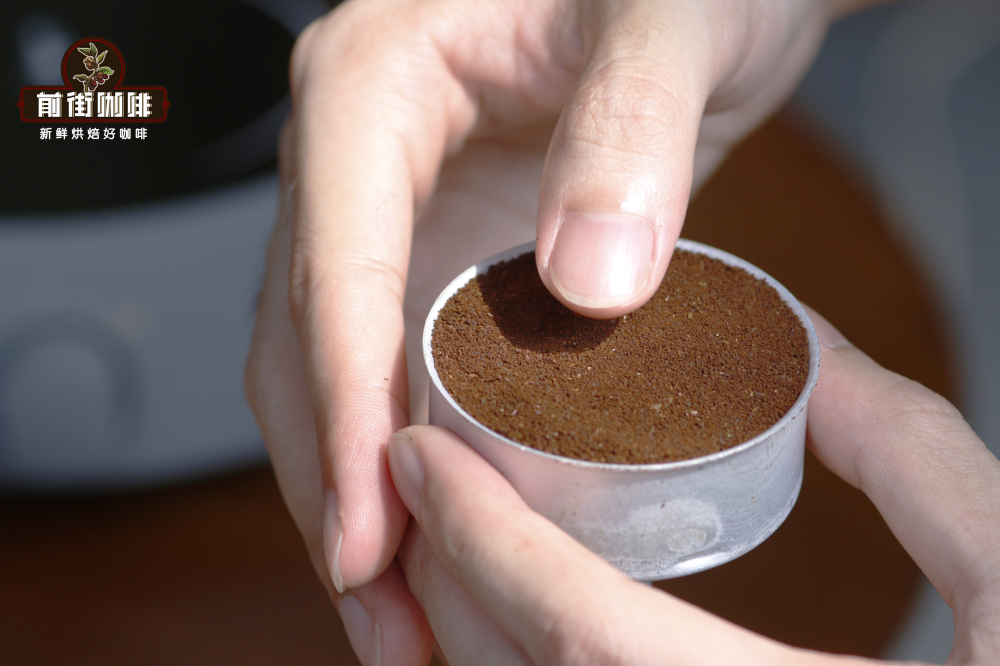
First, regarding whether the coffee chamber should be filled: it is generally recommended to fill it completely. When the coffee chamber is not fully filled, the resistance of water passing through the coffee grounds decreases, causing the extraction speed to increase, leading to under-extraction. The resulting coffee tends to taste weak, lacking depth and body. Particularly when there’s too little coffee in the chamber, water can easily flow directly into the upper chamber, creating what’s known as “channeling” — where water bypasses most of the coffee grounds and extracts only certain areas, resulting in an unbalanced flavor that is both overly sour and bitter.
If you still wish to try using less coffee, you can adjust by compacting the grounds. After pouring the coffee grounds into the chamber, gently shake the pot side to side to allow the grounds to naturally settle and fill any gaps. Then, use the back of a spoon to evenly tamp the coffee, reducing its thickness by about half. Additionally, to shorten the water retention time, you can initially add about half the lower chamber’s capacity with hot water at a high temperature. This effectively reduces the overall extraction time, helping to avoid over-extraction or uneven extraction. Once the coffee starts flowing steadily from the upper chamber, immediately remove the heat source and let residual heat finish the extraction. This approach yields a richer and more balanced coffee liquid, and you can even go further to make iced milk coffee, highlighting soft cocoa and creamy aromas.
To produce a nice crema with a moka pot, two key factors are indispensable: using freshly roasted medium-to-dark roast coffee beans, and ensuring sufficient pressure during extraction. During the roasting process, coffee beans produce a large amount of carbon dioxide, especially those roasted to medium-dark or darker levels. These gases are released upon contact with water, helping form the fine, dense crema on the surface of the coffee. Therefore, light roast beans are usually not suitable for moka pots, as they release less gas and struggle to form crema. It is recommended to choose coffee beans with prominent caramelization flavors and a moderate roast level, which helps enhance extraction performance and flavor complexity.
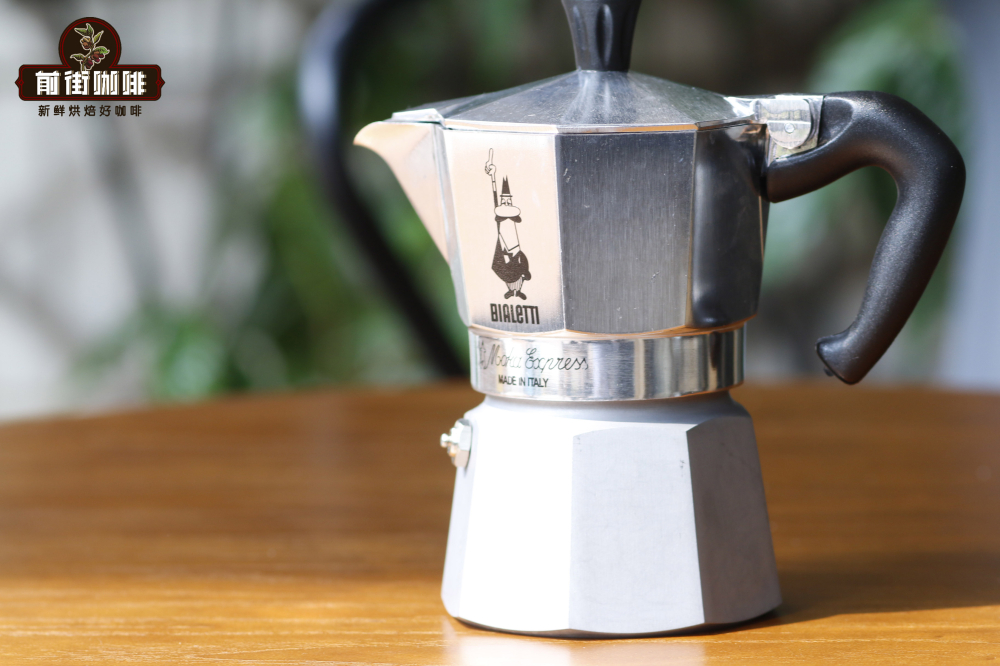
As for choosing between a single-valve and a double-valve moka pot, the two differ significantly in design and extraction characteristics. A single-valve moka pot has a relatively simple structure, and during extraction, the brewed coffee flows directly out from a small hole at the top of the pot. The pressure is lower, the margin for operational error is higher, making it suitable for beginners, and it is less prone to over-extraction. In contrast, a double-valve moka pot adds an additional pressure-release valve on the basis of the hollow tube. This valve only opens to release coffee when the internal steam pressure reaches a certain level, thereby generating higher extraction pressure. This helps extract richer crema and a more intense flavor.
However, high-pressure extraction also comes with risks. If the grind is too fine or the coffee amount is too high, it can very easily lead to over-extraction, resulting in noticeable bitterness. Therefore, when using a double-valve moka pot, it is recommended to appropriately adjust the coarseness of the coffee grounds and the amount of coffee used based on actual pressure performance, to achieve the best balance in extraction.
In summary, when filling the moka pot, it is recommended to fill the coffee chamber as much as possible to maintain stable extraction resistance and pressure, avoiding channeling and the flavor flaws caused by excessive extraction. If you wish to use less coffee, you’ll need to compensate by compacting the grounds and controlling water temperature and extraction time. As for choosing between single-valve and double-valve models, the single-valve design is more beginner-friendly, offering stable flavor; the double-valve can extract richer crema and flavor, but requires more precise control over grind size and coffee amount, making it suitable for users with some experience. By understanding these details, you’ll be able to use the moka pot more flexibly and brew an ideal cup of coffee that closely resembles those from specialty cafés.
The above content is compiled by CoffeeHunters, a coffee news website.


