







Introduction:Beijing Nayuki Catering Management Co., Ltd. was fined 28,000 yuan by the Xicheng District Bureau of Statistics for submitting inaccurate 2020 employee wage data, drawing market attention to compliance and food safety in the new-style tea beverage industry. This article delves into the impact of this incident and explores ways to improve food safety management, helping readers understand the industry's challenges and solutions.
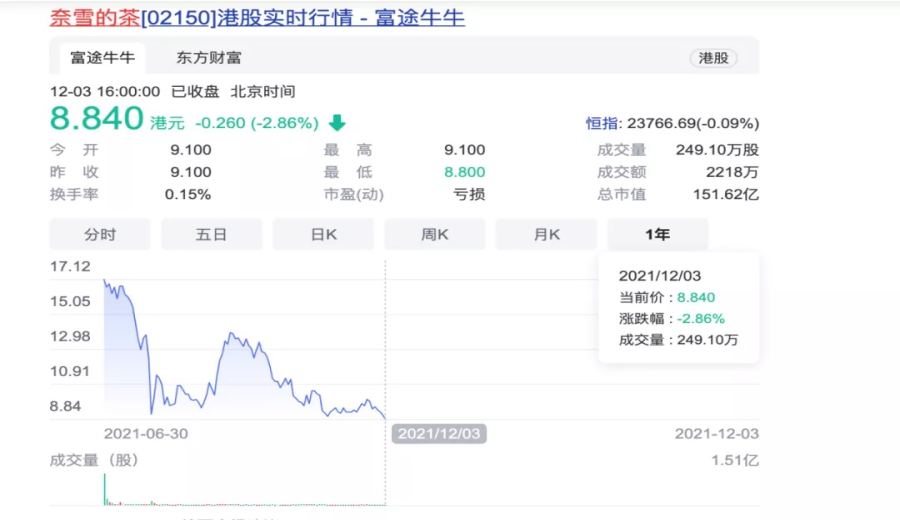
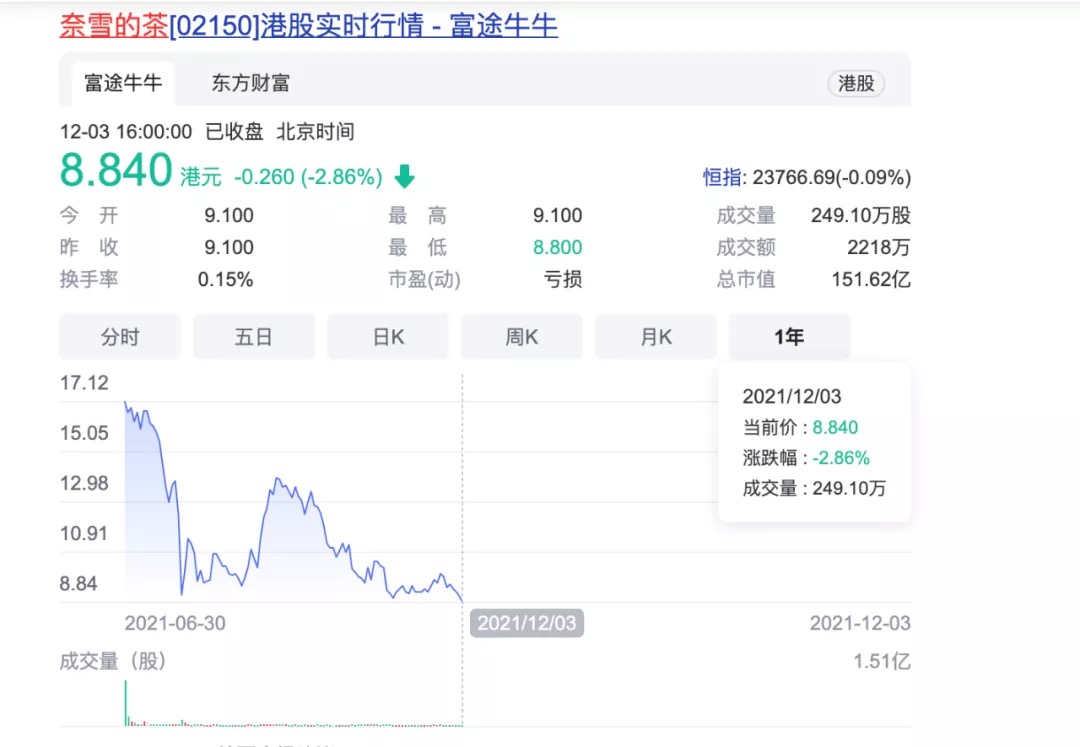
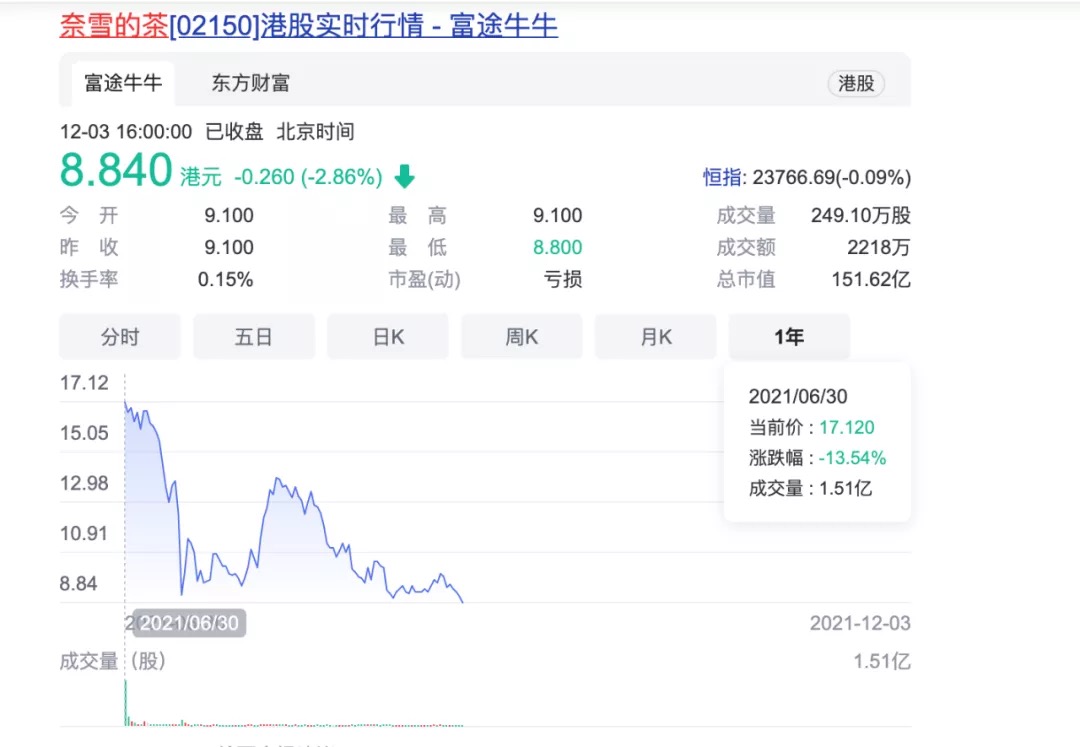
Beijing Nayuki Catering Management Co., Ltd. recently received a 28,000 yuan fine from the Beijing Xicheng District Bureau of Statistics for submitting a “2020 total employee wage indicator” that did not match the actual figures, in violation of the Statistics Law of the People’s Republic of China. Following the announcement, Nayuki’s stock price quickly reacted, falling from HK$9.35 per share to HK$9.25, and by December 3, it dropped further to HK$8.84, hitting a new low since its listing.
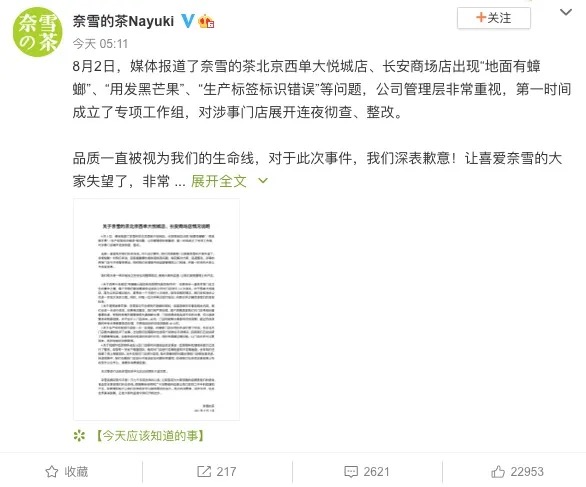
This incident not only highlights compliance gaps in corporate financial and statistical data reporting but also draws renewed public attention to the widespread food safety and corporate integrity issues faced by the new-style tea beverage industry. Especially against the backdrop of consumers’ increasingly high demands for quality and safety, such problems can easily shake market confidence.
According to official information, the fine was imposed because the “2020 total employee wages” data submitted by Nayuki showed a significant discrepancy from the actual situation, violating the principle of accuracy in statistical reporting. Relevant regulations require companies to truthfully report all business data to ensure the reliability of government statistics and their value for decision-making.
In fact, this is not the first time a new-style tea beverage brand has come under scrutiny due to data reporting or food handling process issues. In recent years, several tea beverage brands, including Nayuki, have faced controversies in areas such as ingredient storage, hygiene during preparation, and employee training, which have subsequently impacted brand image and investor confidence.
For investors, the stock price drop from HK$9.35 to HK$8.84 reflects not just a short-term market reaction but may also indicate doubts about the brand’s long-term management capabilities. Particularly in the fiercely competitive tea beverage market, food safety and compliant operations have become key factors in determining whether a brand can sustain itself.
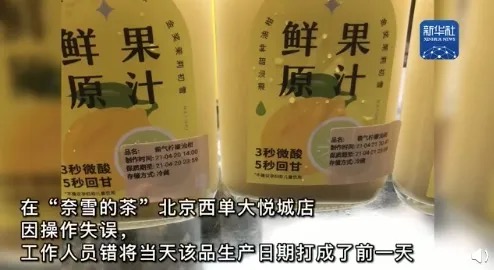
Industry experts point out that to address food safety issues, tea beverage brands must not only strengthen internal audits and employee training but also establish transparent supply chain and production process monitoring mechanisms. For example, every step—from raw material procurement and storage temperature to preparation and final serving—should have clear standard operating procedures (SOPs) and accountability tracking systems.
Additionally, regular internal audits and third-party food inspections are also important means of enhancing consumer trust. For consumers, choosing brands with a good reputation and transparent processes can also help reduce food safety risks.
Although the fine imposed on Nayuki for inaccurate statistical data is not particularly large, it serves as a wake-up call for the entire new-style tea beverage industry. How to balance compliance and quality management while rapidly expanding will be a challenge all brands must face in the future.
Overall, to win long-term support from the market and consumers, new-style tea beverage brands must go beyond product innovation and marketing strategies. Fundamental management systems and food safety practices are essential for steady growth in a competitive landscape.
The above content is compiled by CoffeeHunters, a coffee news website.


