







Introduction:Many people commonly refer to any coffee without milk or sugar as black coffee, but did you know whether espresso counts as black coffee? This article starts with definitions to explain the difference between espresso and regular black coffee, and delves into the standard extraction parameters of espresso, the formation of crema, and how different roast levels and coffee beans affect crema thickness and flavor expression, giving you a comprehensive grasp of the essence of this classic coffee.
In daily life, coffee that is neither sweetened nor milked and has a darker color is generally called black coffee, which essentially emphasizes the pure flavor of coffee itself. Black coffee comes in many forms, including pour over, French press, siphon, moka pot, and even espresso made by espresso machines—as long as no additional ingredients are added, they all fall under the category of black coffee.
However, there is a common misconception that "espresso" is the same as "black coffee." In fact, espresso is a broader category. Drinks like lattes and cappuccinos, which contain milk and usually appear lighter in color with a smoother taste, are often classified as white coffee, while "espresso" is the true sense of black coffee without any additives.
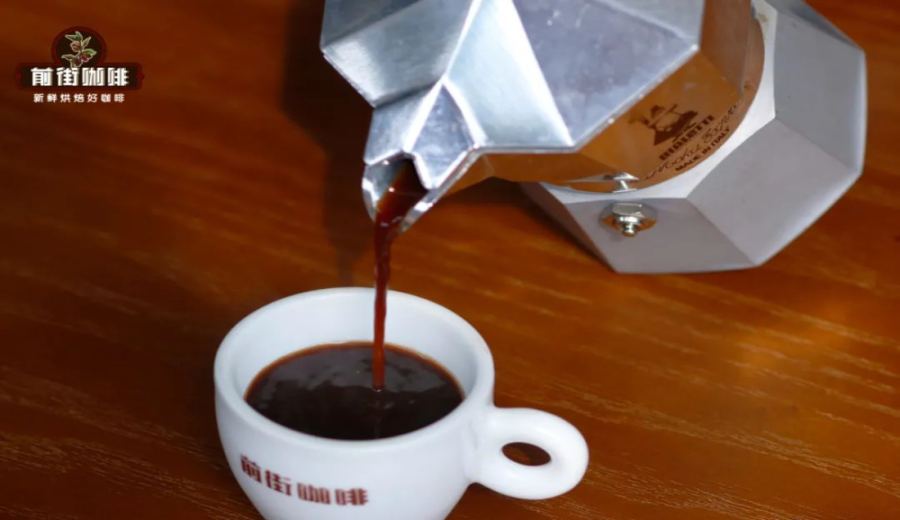
Standard espresso requires strict control over multiple parameters during extraction: using hot water at approximately 92 to 94°C, under a high pressure of 9 bar, allowing the water to pass through a finely ground and evenly tamped coffee puck for about 20 to 30 seconds, ultimately extracting around 30 milliliters of concentrated liquid. This process forms a thick, fine, golden to brownish foam on the surface of the coffee, known as crema.
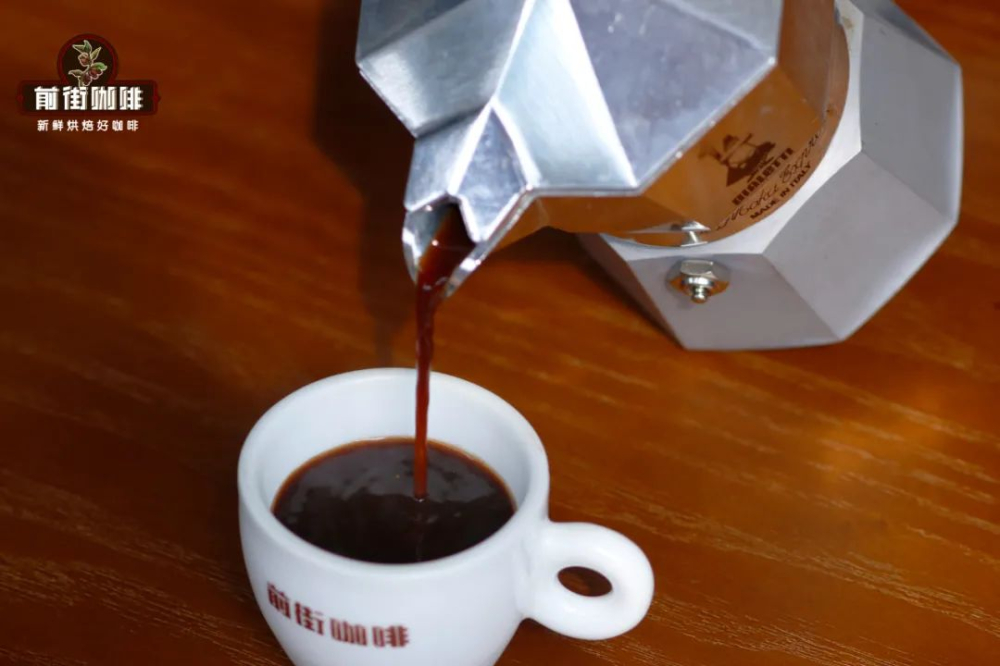
Crema is one of the most distinctive features of espresso, not only affecting visual perception but also having a significant impact on overall taste. The formation of this layer of oils mainly stems from the large amount of carbon dioxide accumulated during the roasting of coffee beans. Under the high-pressure and high-temperature extraction environment, carbon dioxide becomes supersaturated with water, while the oils in the coffee are emulsified and pushed to the surface of the liquid along with bubbles. Due to the lower density of the oils, these emulsified substances eventually float to the top, forming a layered, attractively colored crema.
It is worth noting that the thickness and stability of crema are closely related to the roast level. Generally, the darker the roast, the more carbon dioxide is released from within the beans, making it easier to produce rich oils during extraction. Lighter-roasted single-origin beans (such as SOE), even with adjustments to grind size and tamping, often struggle to form thick crema, due to lower dehydration levels and limited oil production during roasting.
In addition, the overall taste of espresso is extremely intense, with coffee concentration typically ranging between 9% to 11%, much higher than the 1.2% to 1.4% of regular pour over coffee. This high concentration and rich texture mainly come from the layers and enveloping sensation provided by crema, and it’s also the reason why many people choose to add sugar or milk when drinking it directly to soften the strong bitterness.
As for flavor expression, the taste characteristics of espresso vary significantly depending on the origin of the coffee beans, processing method, and blend ratio. Taking common blends as an example, some recipes emphasize traditional Italian flavors, featuring strong notes of nuts, chocolate, and caramel, while also allowing for subtle layers of fruity acidity in the concentrated state; other blends incorporate beans from special origins, such as those fermented in sherry wine barrels and sun-dried, showcasing complex flavor combinations of vanilla cream, wine, chocolate, and brown sugar.
In summary, espresso is not just a type of black coffee, but also an important starting point for understanding high-concentration coffee and extraction techniques. From extraction parameters and the cause of crema, to the influence of roast level and bean variety on flavor, gaining an in-depth understanding of these details allows you to better appreciate the unique charm of this classic coffee.
The above content is compiled by CoffeeHunters, a coffee news website.


