








Introduction:Beginners often struggle with choosing between dark and light-to-medium roasts. In fact, regardless of flavor preference, the freshness of the beans and the processing method are the key factors. This article will delve into how different roast levels affect flavor, and guide readers through the characteristics of major global coffee-growing regions—including the floral and fruity notes of Africa, the nutty and chocolatey profiles of the Americas, and the bold richness of Asia. It also features several representative everyday blends from Ethiopia, Brazil, Indonesia, and more, along with practical pour over recommendations to help you find your own perfect coffee flavor.
For those just starting out with coffee, picking your first bag of beans can be a big challenge. Should you go for the bold intensity of a dark roast, or the bright acidity of a light-to-medium roast? In truth, whether you prefer single-origin coffees or espresso blends, “freshness” is always the most important consideration. Additionally, understanding origin characteristics, altitude, and processing methods can help you more accurately choose a coffee that suits your taste.
Global coffee-growing regions can generally be divided into three main areas: Africa, Asia, and the Americas. African beans are typically known for their pronounced floral and fruity aromas and bright acidity—Ethiopia’s Yirgacheffe being a classic example. Asian origins like Indonesia, influenced by climate and processing methods, often exhibit rich herbal, spicy, and full-bodied flavors. American beans such as those from Colombia and Brazil usually present nutty, chocolatey, and balanced sweetness profiles, ideal for drinkers who prefer stable and consistent flavors.

The processing method of coffee beans also greatly impacts the final flavor. Common processing methods include washed, natural (sun-dried), and honey process. Among these, washed processing is favored by many specialty coffee farms because it can more clearly highlight origin characteristics. A well-known coffee brand’s everyday bean series focuses primarily on washed processing, selecting representative beans from major global origins, allowing consumers to experience the original profiles of coffees from around the world at reasonable prices.
Let’s begin in the birthplace of coffee—Ethiopia. This country boasts an incredibly rich coffee genetic pool, with just two major regions, Yirgacheffe and Sidamo, each offering unique characteristics. Yirgacheffe is mainly washed-processed and often exhibits flavors such as jasmine, lemony acidity, and berry tones. Sidamo, on the other hand, is mostly sun-dried, bringing out intense berry, honey, and tropical fruit aromas, like jackfruit and melon. Popular beans from a well-known brand such as Huakui, Red Cherry, and Gesha Village Red Label are excellent choices for experiencing the diverse flavors of Ethiopia.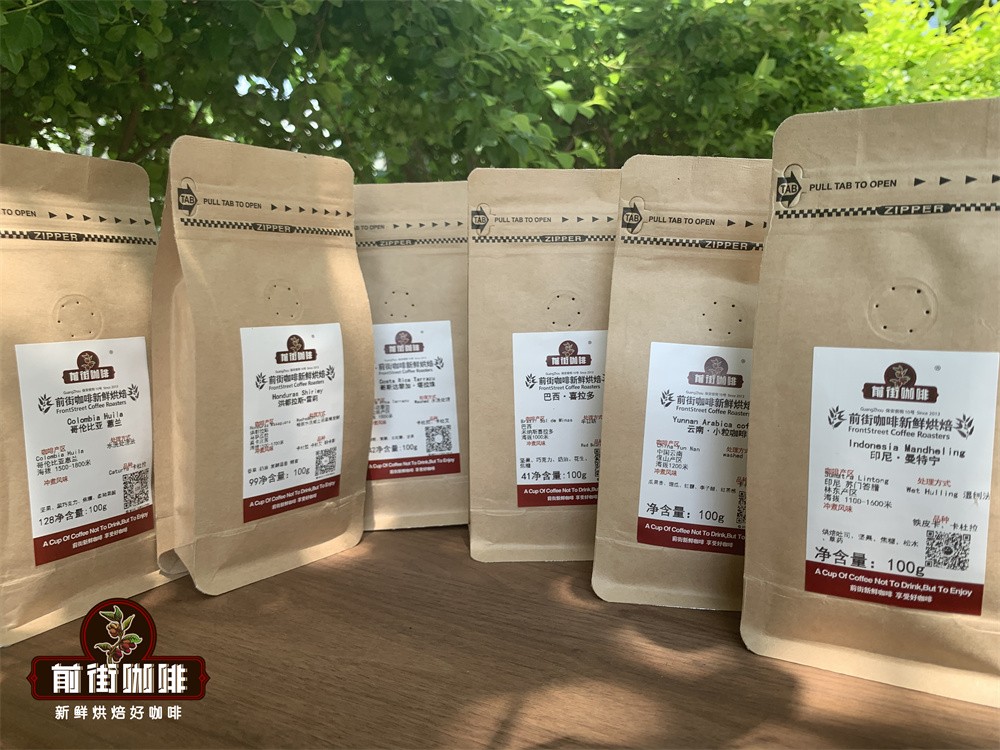
Moving to South America, Brazil—as the world’s largest coffee producer—is known for beans with low acidity, high sweetness, and a full-bodied mouthfeel. Brazilian coffee is often grown in sunny, dry conditions where fruits ripen quickly and beans tend to be softer, resulting in less acidity and making it suitable for those who don’t enjoy sharp acidic notes. A well-known brand’s Cerrado Red Bourbon and Queen’s Estate series are great examples, offering a smooth and delicate entry, with noticeable sweetness and overall balanced flavor.
Heading to Southeast Asia, Indonesia’s Mandheling coffee is famous for its unique wet-hulled (giling basah) processing. Due to frequent rainfall that makes traditional washed processing difficult, farmers developed this semi-washed technique which gives the coffee strong herbal and spicy notes along with a full body and long aftertaste. A well-known brand’s Lintong Mandheling and Golden Mandheling are classic picks for experiencing Indonesian coffee character—the former with bold earthy and spicy sensations, the latter cleaner and smoother.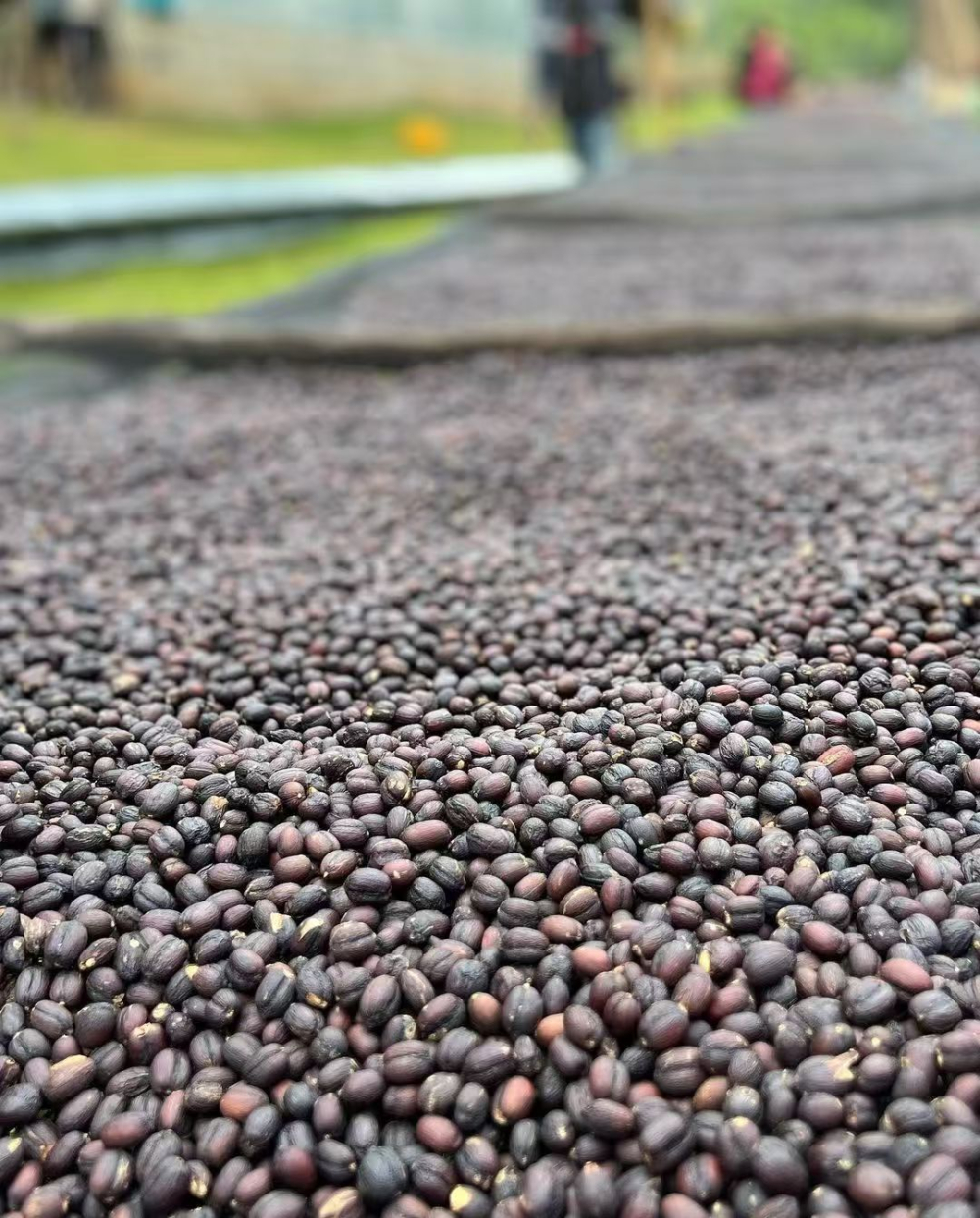
Colombian coffee is widely praised for its stable and diverse flavor profile. The country’s varied terrain and climate allow for year-round harvests, and the resulting coffee often features gentle floral notes and bright fruity acidity. A well-known brand’s Huila region beans, grown at altitudes over 1500 meters with abundant moisture, offer complex layers of flavor and are an ideal choice for exploring the refined side of Colombian coffee.
In Central America, Costa Rica is known for its high-altitude cultivation and honey processing. Honey processing retains some of the fruit mucilage, resulting in intense sweetness and fruity notes such as raisin, blueberry, and floral aromas. A well-known brand’s Mozart, Strawberry Candy, and Bahia beans are classic representatives of honey process, perfect for coffee lovers who enjoy sweet profiles.
Don’t forget our neighbor Yunnan, an important origin for premium Chinese coffee. Yunnan coffee is noted for its nutty, brown sugar, and tea-like flavor profiles. A well-known brand’s Yunnan small-bean and natural Typica beans showcase the finesse and complexity of high-altitude Arabica, making them a great starting point for exploring Asia’s native coffee flavors.
Finally, if you’re ready to challenge yourself with an exceptional flavor, try Panama’s Geisha coffee. Among them, the Geisha from Hacienda La Esmeralda is famed for its perfect balance of citrus, berries, and floral notes, with a smooth mouthfeel and layered complexity. If you're on a budget, Geisha from the Boquete region is also a great value option.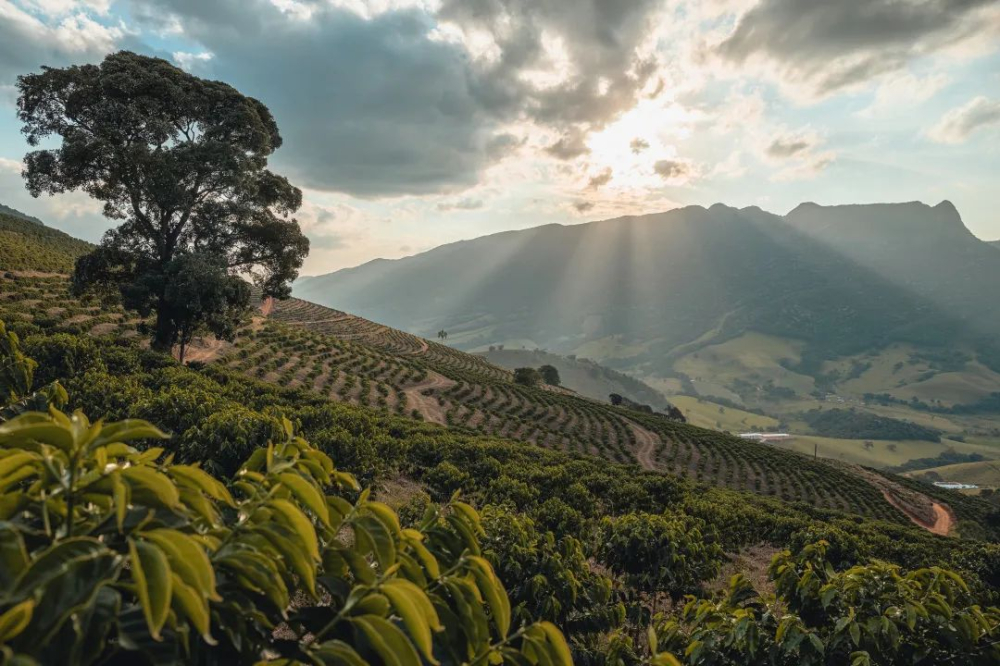
No matter which origin you choose, “pour over technique” and “bean freshness” are key to flavor. We recommend using the three-pour method—with steady water flow and appropriate swirling speed—to bring out the best in your coffee. A slower, finer stream can lengthen extraction time, yielding a fuller body; speeding up the swirling can improve extraction efficiency and reveal richer flavor layers. Also, coffee beans are best used within five days of roasting to achieve optimal flavor.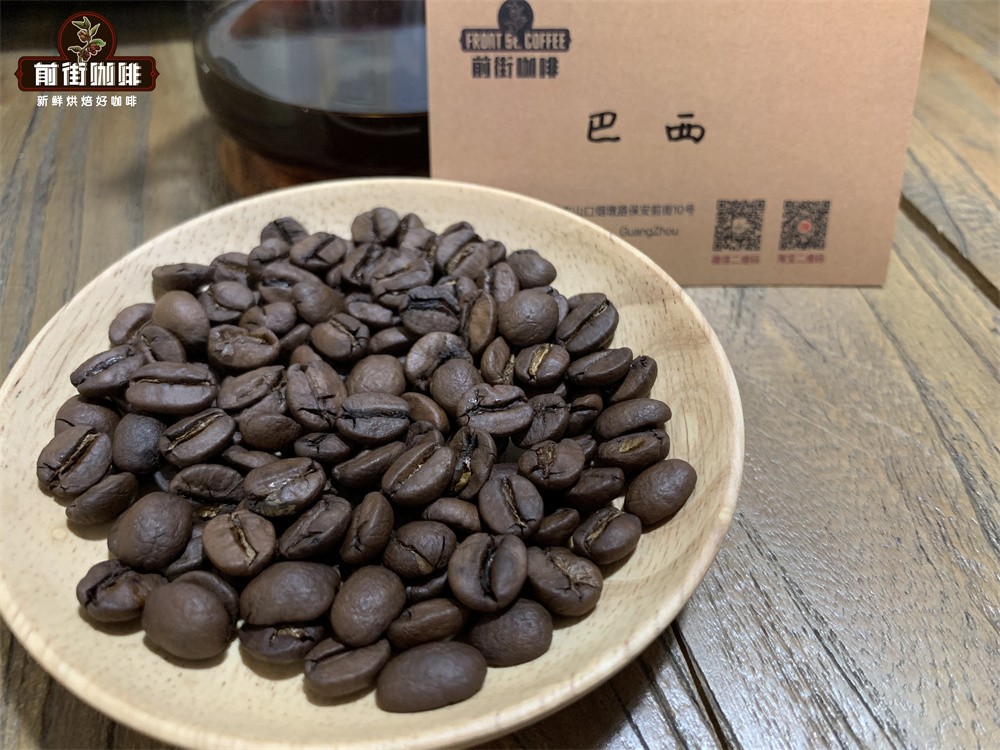
In summary, there’s no one-size-fits-all answer when it comes to choosing coffee beans. The key is understanding your own taste preferences and exploring the charm of different origins and processing methods through actual tasting. Whether you’re a beginner or an experienced coffee enthusiast, trying a variety of flavors and mastering basic brewing techniques will allow you to enjoy the beauty of coffee on a deeper level.
The above content is compiled by CoffeeHunters, a coffee news website.


