







Introduction:Many people think black coffee is only about acidity and bitterness, but in fact, with the right roasting and pour over techniques, you can also extract a captivating sweetness. This article delves into the sources of coffee sweetness, explores how different roast levels affect flavor, and recommends several coffee beans with notes of honey, caramel, and cane sugar. It also provides practical pour over parameters and techniques to help you effectively enhance the extraction of acidic and sweet compounds in a short time, making every sip layered, sweet, and never cloying.
Many people’s first impression when tasting black coffee is often bitterness or pronounced acidity, but in truth, a well-brewed pour over can also showcase a surprisingly sweet profile. This sweetness doesn’t come from added sugar, but rather from the transformation of flavor compounds and the release of aromas during the roasting process, jointly creating a sweet sensation through both smell and taste.
Many wonder—if no sugar is added, where does the sweetness in black coffee come from? In fact, green coffee beans contain about 50% carbohydrates, of which sucrose accounts for only about 8%. However, these sweetening components undergo further transformation during roasting—for example, sucrose goes through caramelization reactions—so the sweetness we perceive in the final cup is more about flavor complexity than pure taste sweetness. This explains why many describe black coffee as having a “sweet sensation,” which is actually the result of the combined effects of aroma and sweet-tart compounds.
Depending on the roast level, the type of sweetness a coffee exhibits also varies. Generally, these sweet aromas can be categorized into three main types, helping you choose the right coffee beans based on your personal taste preferences.
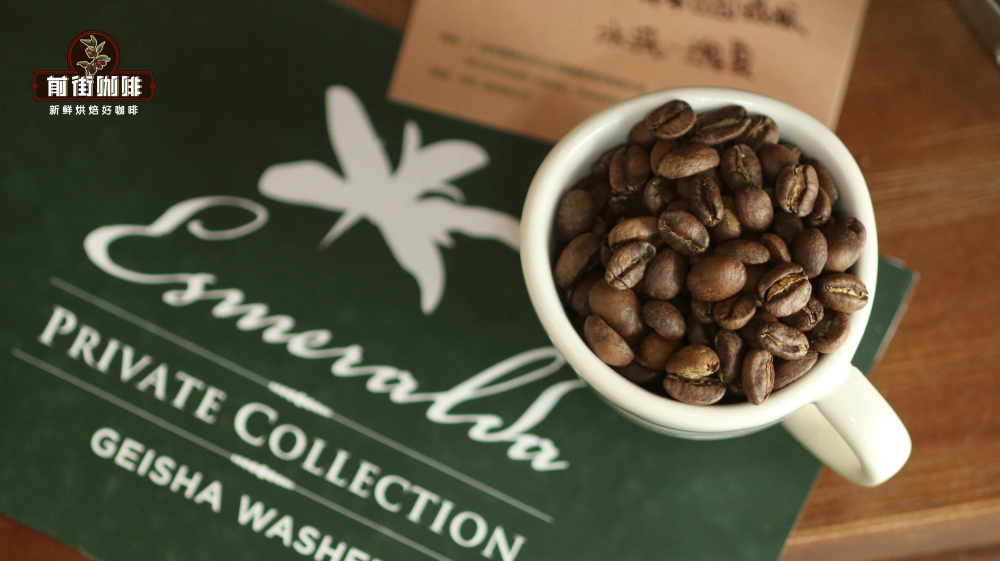
First is the honey and fruit-like sweetness. If you enjoy fresh, fruity sweetness notes such as honey, pomelo, mango, or cantaloupe, light roast beans are your best bet. These sweet flavors typically come from terpene ketone compounds, characterized by roasted apple and honey-like traits. Recommended options include Jade Green Label Geisha, Sidamo Alo, or Yirgacheffe—coffees that often inlight-to-medium roastconditions, can fully express fruity honey notes and sweetness.
The second type is candy and caramel-like sweetness. If you prefer chocolatey, dried fruit, and sucrose-like sweet tones, go formedium roastcoffee beans. At this roast level, the formation of furanone compounds brings out rich sweet aromas reminiscent of caramel and maple syrup. Recommended choices include Queen Estate, Strawberry Candy, and Yunnan Small Bean Typica—all of which, when medium roasted, deliver a dense and mellow sugary sweetness.
Finally, there’s the lingering sweetness from dark roasts. If you don’t like pronounced acidity and want to experience a rich, mellow aftertaste, consider choosingdark roastbeans. These often exhibit deep, rounded sweetness notes like caramel, maple, and toffee, with standout representatives including Golden Mandheling, Brazil Red Bourbon, and Jamaican Blue Mountain—perfect for those who enjoy bold finishes and stable, sweet aftertastes.
However, aside from choosing the right coffee bean, the pour over method and parameters also affect how sweetness comes through. Many coffee enthusiasts ask: can switching brewing methods make coffee taste sweeter? In truth, the core of many shared experiences lies in improving the extraction efficiency of sweet and acidic compounds within a fixed time frame, thus making the sweetness more pronounced and layered.
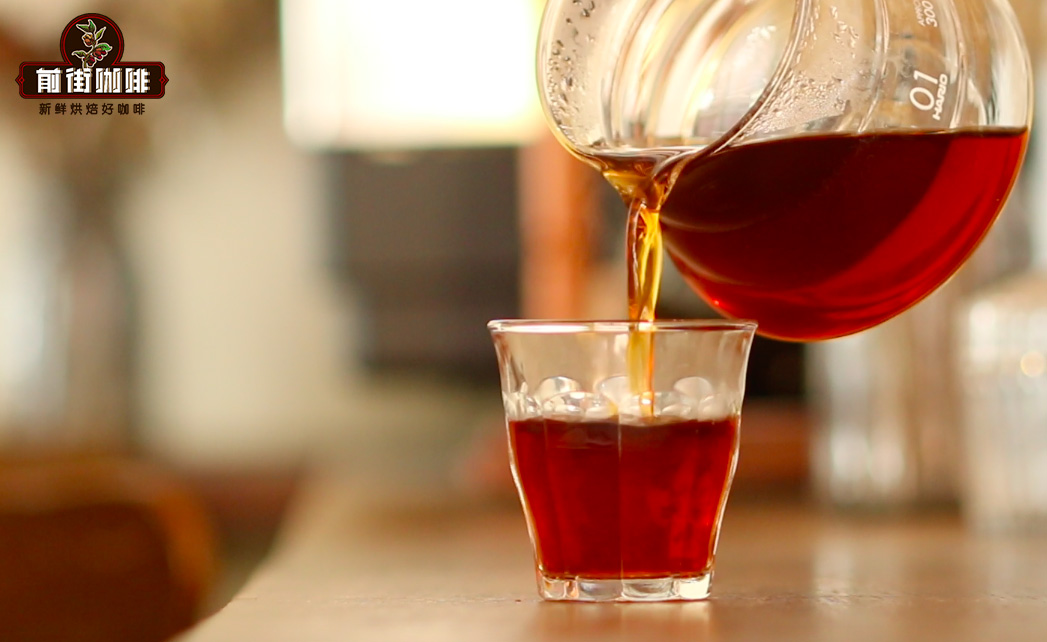
Here’s a real-world pour over example using Ethiopian Huila Huwak, a natural processed, light-to-medium roasted bean with distinct ripe strawberry and honey sweetness. Using a V60 dripper, here are the specific parameters and steps:
Coffee dose: 15 grams
Grind size: Approximately 75%–80% passing through a 20-mesh sieve, equivalent to Ek43 grinder setting 10
Brew ratio: 1:15
Water temperature: 92°C
Step 1: Start with about 30 ml of hot water for the bloom, lasting around 30 seconds. This releases CO₂ from the coffee grounds, aiding in even subsequent flavor release and extraction.
After the bloom, pour about 120 ml of hot water using a relatively high flow rate (around 6 ml/s) in a wide circular motion, aiming to complete it within 20 seconds. This step ensures full saturation of the coffee bed and begins the main extraction process.
When the water has largely penetrated and the coffee bed forms a bowl shape, focus the pour toward the center. Due to the larger initial flow, the downward speed is faster, so for the third stage, switch to a smaller stream to extend extraction time and control flow rate.
In the third stage, use a small stream (around 4 ml/s), pouring in small circles at the center with about 75 ml of hot water. Pay special attention to maintaining a steady flow rate to avoid under-extraction due to too-rapid pouring. Once all the water has completely dripped through, remove the dripper to conclude the brew.
Total brew time is approximately 2 minutes and 15 seconds. With these parameters and segmented control, you can effectively boost the release of acidic and sweet compounds, making the coffee’s sweetness more prominent while retaining clarity and a long-lasting finish.
In actual tasting, this Huila Huwak reveals rich aromas of orange blossom, strawberry, citrus, cream, and honey. The entry is distinctly sweet with clear layering, the finish carries a hint of oolong tea fragrance, and the aftertaste leaves a lingering echo of berries. Overall, it’s very balanced and impressive. With the right roast selection and precise pour over technique, you can also brew a sweet, multi-dimensional pour over coffee at home.
The above content is compiled by CoffeeHunters, a coffee news website.


