







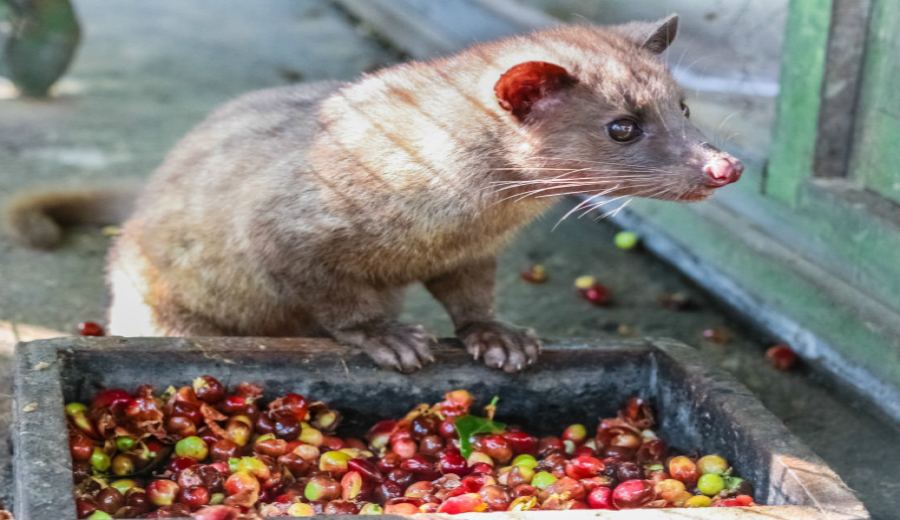
Introduction:Civet coffee is hailed as the finest coffee in the world, but is the Vietnamese version circulating in the market real or fake? This article delves into the origins, unique flavors, and how to distinguish authentic Indonesian civet coffee (Kopi Luwak) from counterfeits. It also provides professional pour over recommendations and extraction parameters to help coffee enthusiasts fully experience the true charm of this rare brew.
Among the many types of coffee, civet coffee has long been regarded as a top-tier delicacy, yet many people have doubts about its origin and authenticity. Especially the products widely circulated in Vietnam—can they really be considered genuine civet coffee? In fact, traditional civet coffee originates from Indonesia and is scientifically known as 'Kopi Luwak.' It is produced when wild civet cats consume coffee cherries, which then undergo a natural fermentation and digestion process within their bodies. The global annual production is extremely limited, making it an exceptionally rare type of coffee.
The Unique Flavor Profile of Kopi LuwakIt’s unforgettable—often carrying a strong earthy aroma, with a texture nearly as thick as syrup, yet exuding a distinctive fragrance. After drinking, you may even notice a subtle minty coolness lingering on the palate, a characteristic rarely found in most regular coffees. Even without adding sugar or creamer, it presents a naturally sweet and smooth taste, free of acidity, bitterness, or astringency. It goes down gently, and even when cooled, retains a rounded, full-bodied flavor.
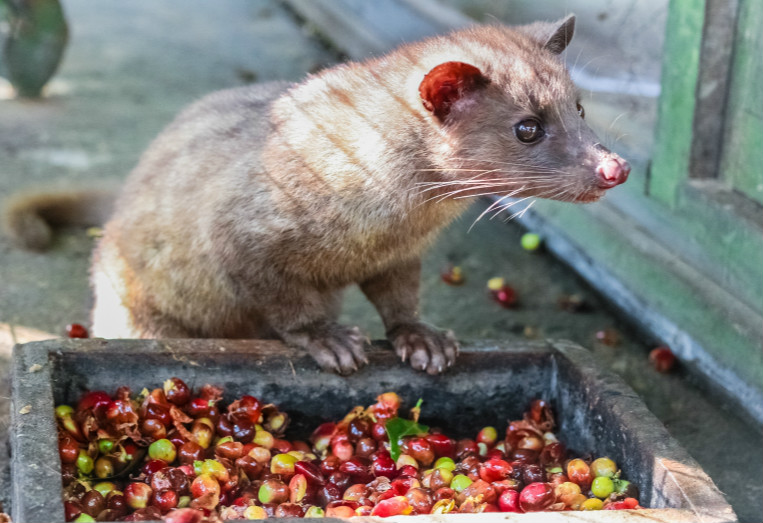
However, many products on the market that claim to be 'civet coffee,' especially the instant packs produced in Vietnam, are often flavored imitations that do not actually contain beans digested by civet cats. These can only be considered 'civet-flavored coffee.' Since genuine Kopi Luwak yields no more than 400 kilograms per year, it is extremely expensive—a 50-gram pack may sell for as high as 1500 yuan, yielding just 3 to 4 cups, with each cup costing approximately 400 yuan. Clearly, it’s not something the average consumer can easily afford.
Authentic Kopi Luwak is “produced” by a wild omnivorous animal called the civet cat (Luwak). This animal prefers to eat ripe, sweet, and red coffee cherries but only digests the flesh, leaving the hard coffee beans intact. These beans are eventually excreted in the animal’s feces. Within the civet’s digestive tract, the beans undergo the effects of an acidic environment and special enzymes. Part of the protein is broken down, reducing acidity and bitterness while producing a unique aroma and richness. Interestingly, it has been observed that during excretion, the beans may come into contact with musk oil secreted by the civet's reproductive organs, further enhancing the flavor complexity.
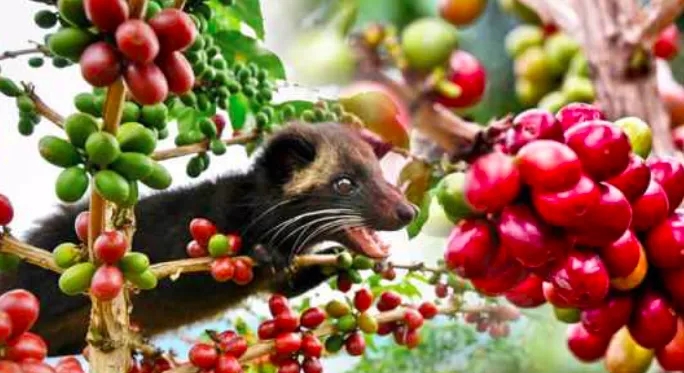
However, due to the scarcity of wild civet cats and the difficulty in collecting their droppings, people have turned to farming them in captivity to produce Kopi Luwak, raising serious concerns about animal welfare. These captive civet cats are often forced to consume large amounts of coffee cherries over long periods in poor living conditions, leading to health issues. Although most commercially available Kopi Luwak today comes from farmed animals, its flavor is still closely related to the quality of the coffee beans they are fed. Arabica beans are considered a premium choice, whereas Robusta beans are mostly used for commercial or instant coffee.
For such rare coffee beans, the brewing method naturally requires extra care. To fully showcase its rich herbal and nutty notes,it is recommended to use a KONO filter cone for pour over, with water temperature controlled at 88°C, a 1:15 coffee-to-water ratio, and medium-fine grind (about 75% passing through a Chinese standard No. 20 sieve). This setup helps bring out a full-bodied taste while avoiding over-extraction that could throw off the flavor balance.
When using a KONO filter cone, its unique rib design—with exhaust holes located only in the upper quarter of the cone—creates a longer extraction channel during brewing. This helps extend the contact time between the coffee grounds and water, thereby improving the release efficiency of soluble compounds. It is recommended to usea coarse stream of water and pour slowly in circular motionsto evenly distribute heat and extract flavors.
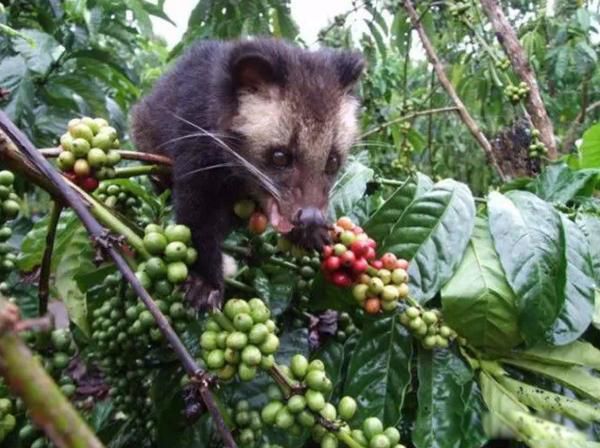
The flavor profile of Kopi Luwak typically includes herbal, nutty, dark chocolate, and subtle fermented notes. These characteristics make it an excellent choice for coffee enthusiasts looking to try something new or add to their collection. However, considering its high price and the ethical concerns surrounding animal welfare, many professionals suggest that those interested in exploring high-quality coffee might start with other renowned origins such as Panama Geisha, Ethiopian Yirgacheffe, or Brazilian natural process beans. These options also offer unique flavors and layers, with more transparent and sustainable sourcing.
Finally, if you choose to buy whole beans, it’s advisable to select freshly roasted beans within 5 days of roasting, and allow them to reach optimal flavor 4 to 7 days after opening. If grinding is necessary, it’s best to brew the coffee as soon as possible to avoid oxidation affecting aroma and taste. With careful selection and proper brewing, you can truly appreciate the unique qualities of this legendary coffee.
The above content is compiled by CoffeeHunters, a coffee news website.


