







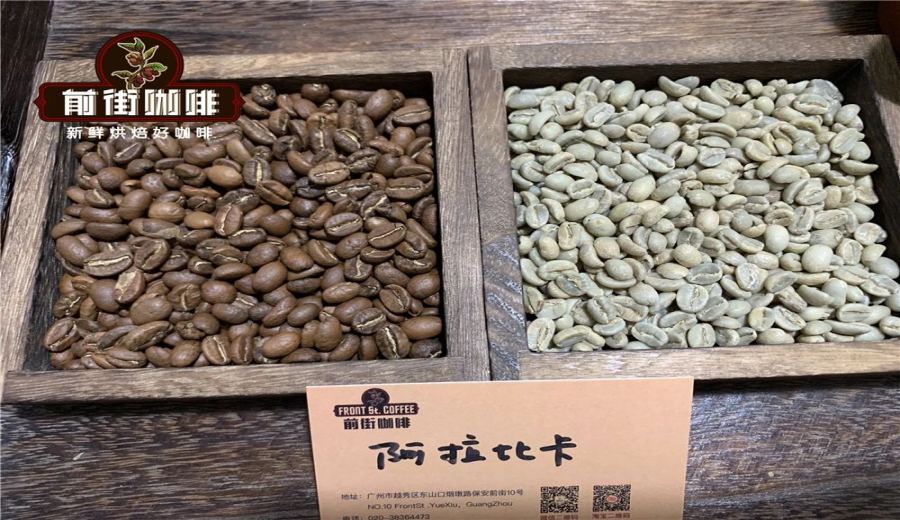
Introduction:Arabica coffee is the star of the global specialty coffee market, but do you know why it’s so popular? From its Ethiopian origins, flavor profile to cultivation environment requirements, this article delves into the unique characteristics of Arabica and compares its key differences with Robusta, helping you find the beans that suit your taste and make smarter purchasing decisions.
When selecting coffee products, you often see the label “Arabica” on the packaging. But what does this term really mean? Why do many coffee brands emphasize using Arabica beans? In fact, it’s not just marketing jargon—it’s based on actual quality and flavor considerations. This article will thoroughly explore the historical roots of Arabica, its unique flavor profile, ideal altitude conditions for cultivation, and provide a comprehensive comparison with the common Robusta beans, giving you an in-depth understanding of this variety that dominates the global specialty coffee market.
Arabica coffee originated in Ethiopia, Africa. Although its name includes "Arab," it did not come from the Middle East but from Ethiopia, the country hailed as the birthplace of coffee. Locals initially chewed coffee leaves for stimulation and even used coffee cherries medicinally. It wasn’t until Arab scholars began studying methods to roast coffee beans that the familiar roasted coffee culture gradually took shape. By the 16th century, through Arab merchants, this beverage spread worldwide and became the globally beloved drink we know today. Many renowned specialty coffee regions, such as Jamaica Blue Mountain, Panama Geisha, and Ethiopia’s Yirgacheffe, all belong to the Arabica variety.
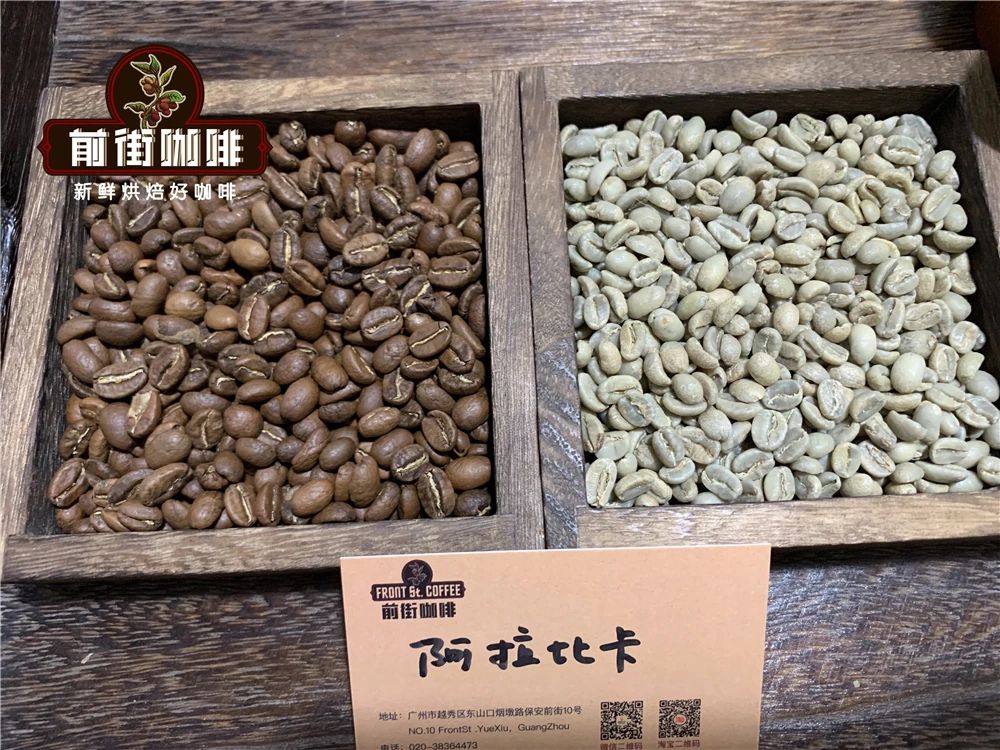
As the largest coffee producer in Africa, Ethiopia has over 2,500 different Arabica varieties, showcasing its extremely high level of varietal diversity. Coffee is not only a major economic pillar locally but also deeply integrated into the people's culture and daily life. Regardless of social class, most families have simple coffee brewing equipment, and drinking coffee is not just a daily routine but also a ritualistic social activity.
Arabica coffee has become the market mainstream not only because of its elegant flavors and rich layers, but also because it contains relatively low caffeine—about 0.9% to 1.5% of the bean weight—making it less stimulating and more suitable for savoring. In contrast, Arabica accounts for 60% to 70% of global coffee production and sales, making it the mainstay of both specialty coffee and everyday beverages. However, besides Arabica, there’s another major variety—Robusta. So why do most consumers still prefer Arabica?
Arabica and Robusta are the two main coffee varieties on the market. Arabica is a small-bean variety with 44 chromosomes (22 pairs), while Robusta is a medium-bean variety with only 22 chromosomes. The double amount of genetic material allows Arabica to exhibit more delicate and varied aromas and complex acidity and sweetness, clearly surpassing Robusta. However, to develop these refined flavors, Arabica requires very high growing conditions, especially in terms of altitude.
The ideal cultivation altitude for Arabica is between 800 and 2,200 meters, and it must be grown in frost-free highlands. The large diurnal temperature variation at high altitudes slows down the ripening process of coffee cherries, helping accumulate flavor compounds, resulting in fuller aromas and more layered textures. In addition, unique microclimates in different regions—such as rainfall, sunlight, and soil conditions—create distinctive Arabica flavor profiles. However, high altitudes also bring challenges, including higher pest risks and harsh weather impacts, leading to lower yields, difficult harvesting, and consequently requiring more labor-intensive management and careful selection, naturally resulting in higher production costs.
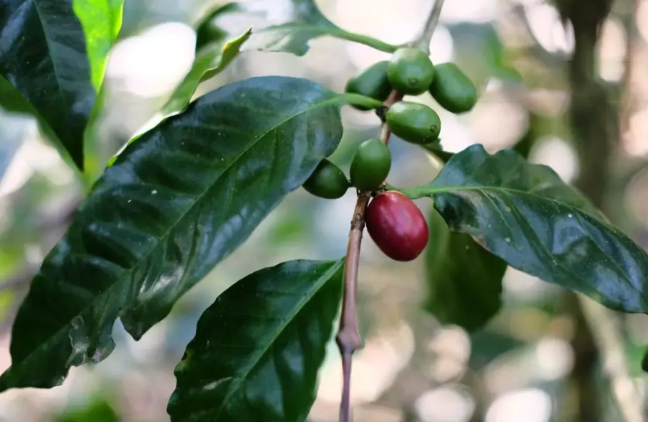
In contrast, Robusta contains caffeine levels as high as 2.7% to 4%, almost more than twice that of Arabica. Caffeine, as a plant’s natural defense mechanism, can ward off most pests, making Robusta relatively easier to cultivate and much cheaper. Additionally, Robusta contains higher levels of amino acids and chlorogenic acids, giving it a flavor profile that tends to be bold, with pronounced bitterness, often accompanied by nutty, grainy, or even earthy notes. If processed improperly, the flavors can be even coarser. Therefore, Robusta is mostly used in dark-roasted espresso blends or mass-produced instant coffee to reduce costs and provide sufficient intensity.
With the rise of specialty coffee culture, consumers no longer solely pursue intense bitterness but place greater emphasis on diverse flavors and delicate textures. Arabica, with its rich aromas and well-balanced acidity and sweetness, perfectly meets the expectations of modern coffee enthusiasts, thus becoming the top choice for refined extraction methods such as pour over and drip. If you’ve ever tasted single-origin coffees from different regions, you’ve likely experienced the unique charm that Arabica offers.
For coffee lovers who want to try the flavor of Arabica, a good starting point is classic everyday beans. These beans are typically sourced from well-known regions, showcasing representative flavor characteristics, are affordable, and suitable for daily consumption. Common regions include Ethiopia Yirgacheffe (washed), Guatemala Antigua, Colombia Huila, Brazil Cerrado, Costa Rica Tarrazú, Indonesia Lintong Mandheling (wet-hulled), and China’s Yunnan Baoshan. These Arabica beans, whether citrusy, floral, nutty, chocolatey, or rich in earthy tones, allow you to experience a variety of flavor layers.
These everyday beans are suitable for brewing via pour over, French press, or cold brew. It’s recommended to enjoy them as black coffee to directly experience their original aromas. Note that a coffee bean’s flavor performance is closely related to freshness; beans roasted more than two months ago often show a significant decline in aroma, and no amount of skill can fully restore it. Therefore, it’s advised to choose beans roasted within five days to enjoy the most vibrant aromas and flavor expressions.
If you prefer rich and bold espresso, Arabica is also suitable for making it, but it’s recommended to choose blends specifically designed for espresso machines. Since espresso is extracted under high temperature, high pressure, and fine grind conditions, single-origin light-roast beans can easily produce overly intense individual flavors, which may mask the overall balance of the coffee. Blends, on the other hand, achieve a stable and smooth espresso base by combining beans from different regions and processing methods.
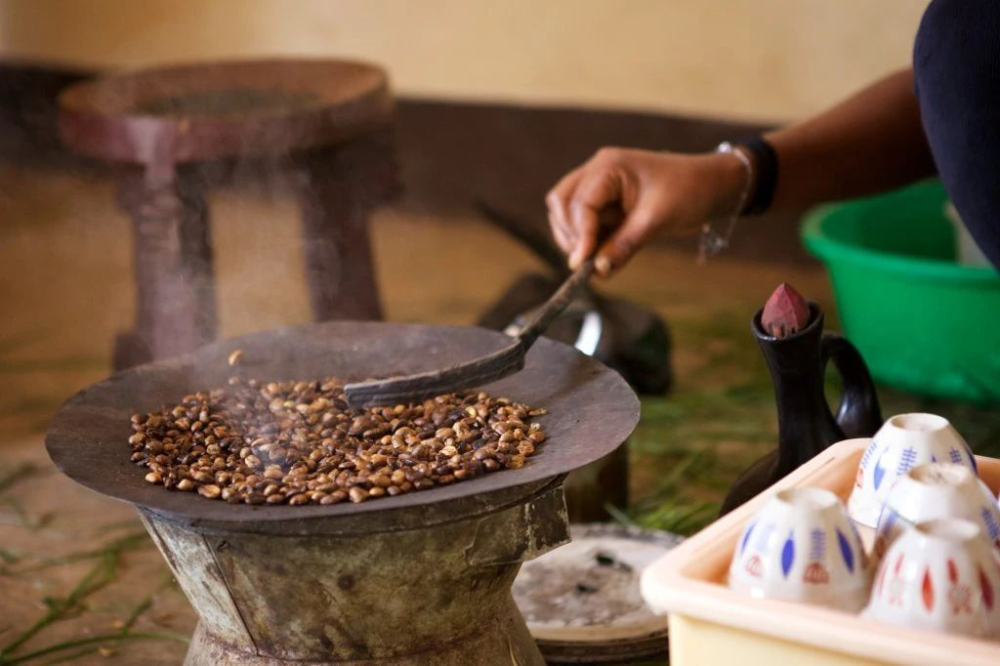
For example, a common espresso blend might combine Ethiopia’s sun-dried red cherry (offering tropical fruit and fermentation aromas) with Honduras’ sherry cask-processed beans (bringing whiskey, vanilla, and creaminess). With the right proportions, they create a complex layer of fruity and milky notes. When such a blend is extracted into espresso, it can be customized into Americano, latte, or cappuccino according to preference, showcasing versatile drinking styles.
The above content is compiled by CoffeeHunters, a coffee news website.


