








Introduction:Struggling with failed extractions when brewing espresso at home? Whether it's overly bitter and astringent shots, inconsistent flow rates, or latte art that just won’t hold, the key lies in precisely balancing dose, grind size, and extraction time. This article delves into the fundamentals of espresso extraction, helping you master dose and ratio settings, understand how grind coarseness affects flow rate, and providing practical fine-tuning tips—so you can consistently pull balanced, smooth espresso shots right at home.
Many coffee enthusiasts using home espresso machines often find their shots fall far short of café-quality flavor—either tasting excessively burnt and bitter, or producing milk art that collapses at the slightest touch. These issues usually stem from improper combinations of extraction time, coffee dose, and grind size. Starting from real-world experience, this article will take you deep into the critical parameters of espresso extraction, explain why pre-ground coffee only offers a rough grind range, and teach you how to remedy poor flow by adjusting dose and tamping pressure. Once you’ve mastered these core techniques, consistently brewing balanced and smooth espresso is actually not difficult.

When drinking straight espresso, its high concentration and intense bitterness often remind many people of the sharpness of traditional Chinese medicine. However, once milk or hot water is added, the overall flavor usually becomes much more palatable. Yet in reality, some espressos remain unpalatable even when diluted—or the latte art pattern collapses before it’s even finished—often indicating problems with the extraction itself.
Though many home baristas own espresso machines, due to far less frequent use compared to professional shops, consistently pulling a great shot can be quite challenging. That’s exactly why establishing a simple and beginner-friendly extraction logic is especially practical for home users.
Though the market today offers various extraction methods such as pressure profiling and immersion brewing, which may seem complex, the truth is that by mastering just a few core espresso parameters and stabilizing these variables, you can actually reduce the chances of ending up with a bad shot.
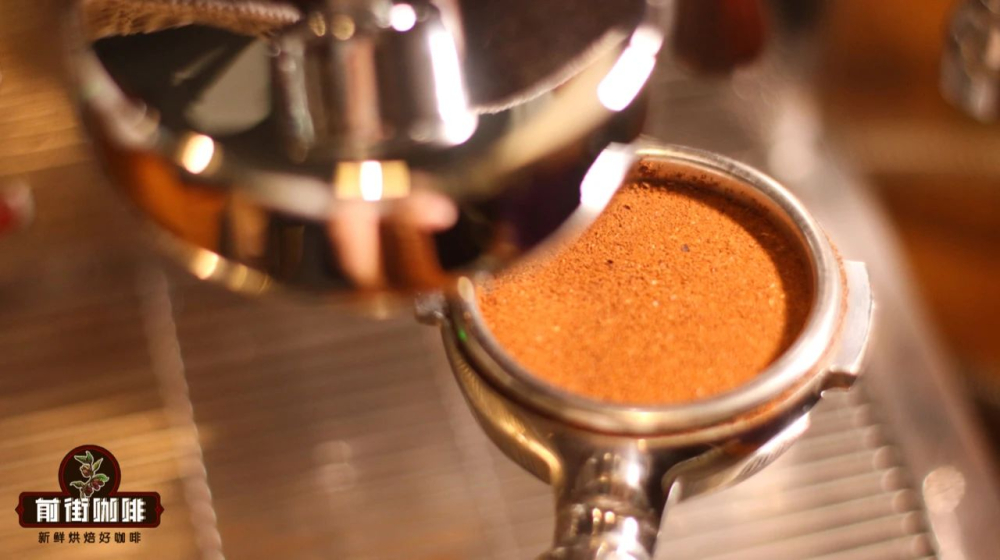
The challenges of espresso extraction mainly revolve around controlling extraction time, managing so-called “channeling,” and correctly assessing whether the extraction is ideal. For beginners, we’ve compiled the following key points to help you achieve more stable extractions every time.
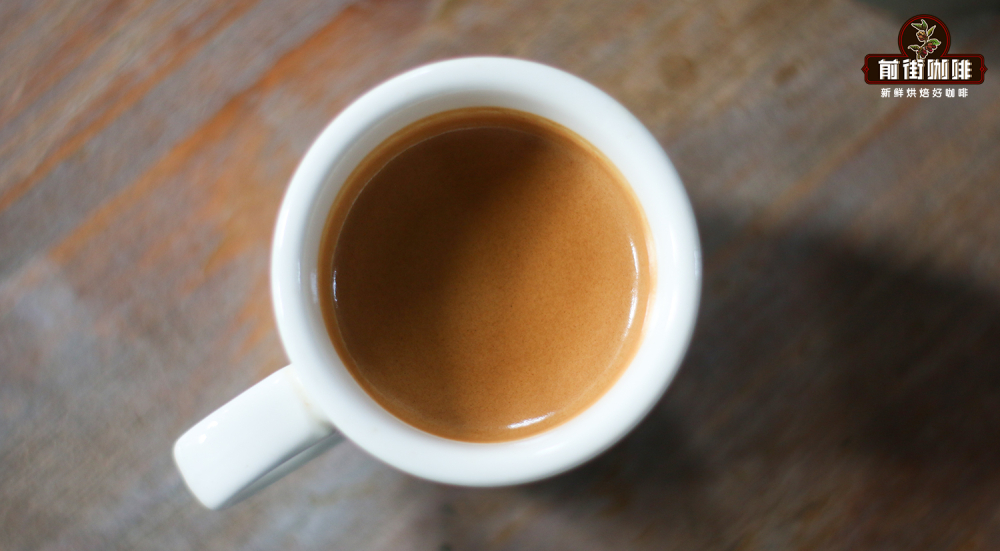
Pre-ground coffee can give us a general idea of grind size, but it doesn’t allow for precise control. Therefore, during actual extraction, if the grind size is already fixed, and you want to further optimize flavor, you’ll need to rely on adjusting the coffee dose and tamping pressure to indirectly influence water flow rate and extraction time.
For example, if you’re using 18 grams of coffee and aiming to extract 36 grams of espresso at a 1:2 ratio, but you notice the flow is unusually slow—even to the point where the liquid isn’t dripping from the portafilter—you might first try reducing the dose by 1 gram while still maintaining the 1:2 ratio. If the flow still doesn’t improve, consider lightening the tamping pressure to allow the hot water to penetrate the coffee bed more evenly, thereby improving both flow rate and overall flavor balance.
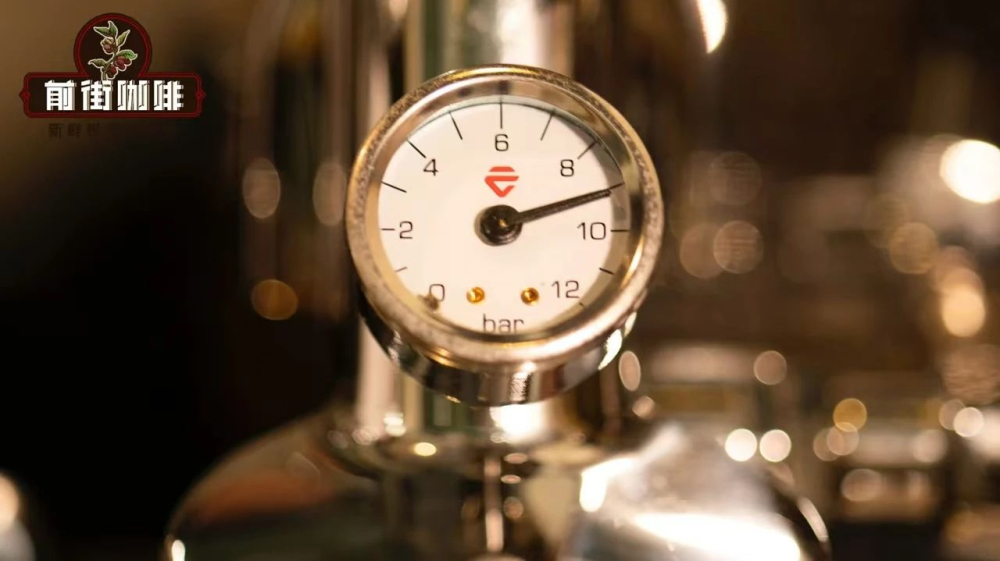
During the adjustment process, it’s recommended to change only one variable at a time—such as adjusting either the dose or the tamping pressure—so you can clearly determine which parameter has the greatest impact on the outcome. Additionally, observing changes in the color of the espresso and the stability of the flow rate are also important indicators of whether further adjustments are needed.
In summary, the key to consistently pulling balanced, properly flowing espresso shots at home lies in understanding the interaction between dose, grind size, and extraction time—and gaining experience through hands-on practice to gradually find the extraction setup that best suits your taste preferences and equipment.
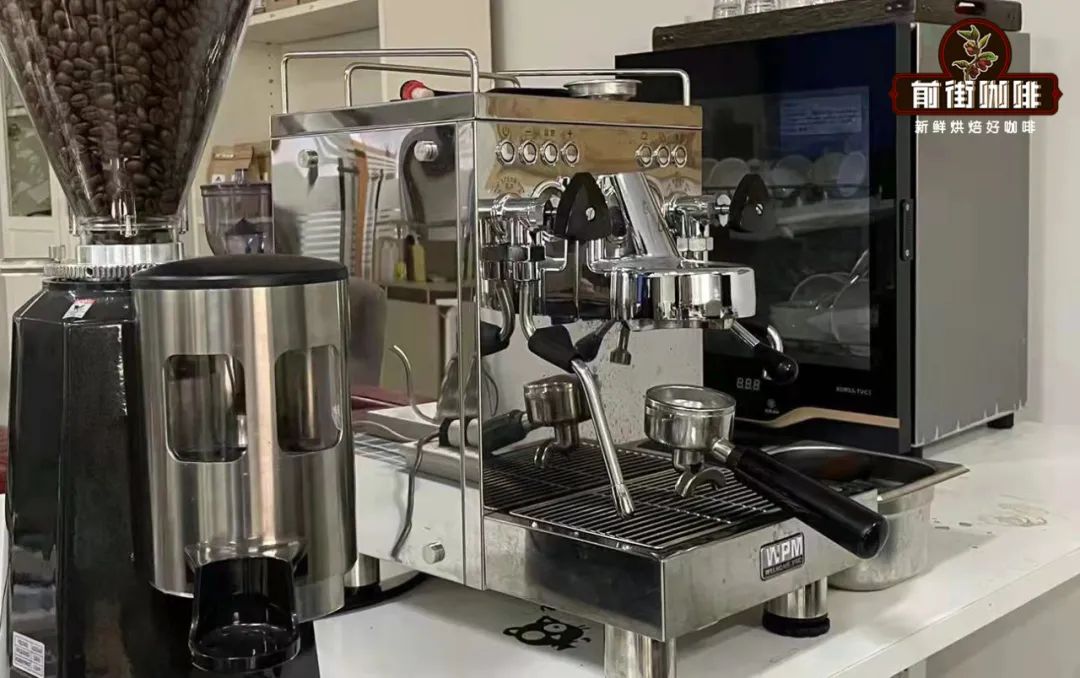
Whether you're a complete beginner or an experienced coffee lover looking to refine your technique, mastering these basic principles and adjustment skills will elevate your home espresso game, allowing you to enjoy a professional-grade espresso experience.
The above content is compiled by CoffeeHunters, a coffee news website.


