







Introduction:How should freshly opened coffee beans be stored to maintain their optimal flavor? And what’s the best way to handle them after grinding to extend their freshness? This article delves into the three main factors behind coffee bean degradation after opening—oxygen, moisture, and high temperature—and through comparative experiments, reveals the flavor evolution of ground coffee over time. From the best-before period to portioning and storage tips, we offer practical advice to help you enjoy the full flavor of your coffee with every brew.
Coffee enthusiasts often face a common dilemma: how to store opened coffee beans in a way that preserves their captivating aroma and complexity? In reality, this involves understanding the release of gases from roasted beans and the impact of various external factors on flavor. Grasping these principles is key to preventing aroma loss and ensuring each brew stays as close to the coffee’s original character as possible.
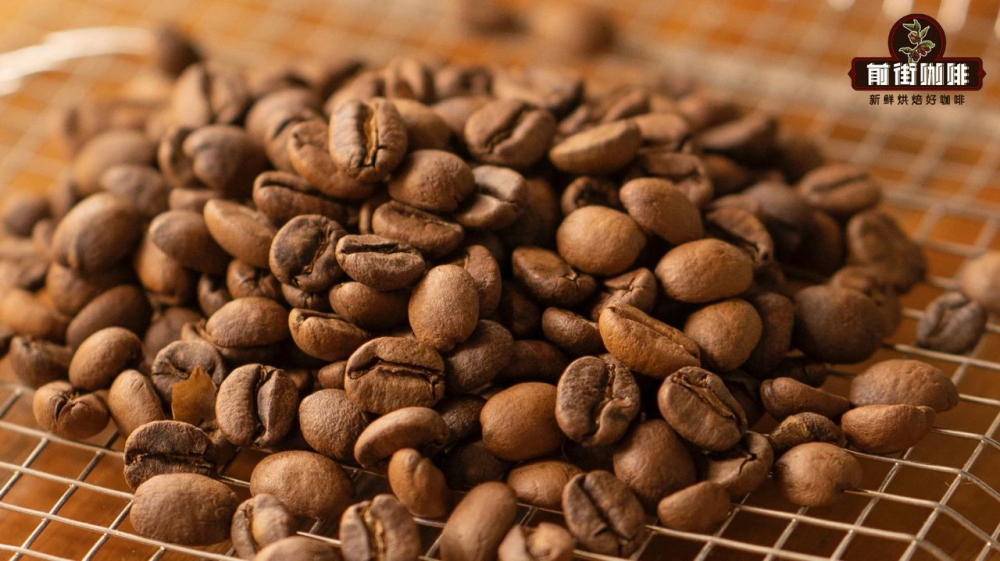
Let’s start with the roasting process of coffee beans. When green beans are subjected to high temperatures during roasting, their internal structure expands while accumulating large amounts of carbon dioxide gas. Although this gas may interfere with flavor release during extraction, it also forms a natural barrier that slows the evaporation of volatile aromas. Generally, the first four to seven days after roasting are the peak degassing period, during which about 60–70% of the carbon dioxide is released—this is also when the “bloom” phase is most likely to produce a full, expanded crema. As residual gases drop to 30–40% and the release rate slows, the beans enter a stable phase, with their flavor typically peaking 30–45 days post-roasting. This period is considered the beans’ “golden window” for optimal enjoyment.
However, even within this optimal window, improper storage can cause aroma and flavor to deteriorate rapidly. The following three factors are the primary culprits behind accelerated coffee bean degradation—common pitfalls to avoid in daily storage.
1. Oxygen: The #1 Flavor Killer
Oxygen is the main culprit behind coffee bean oxidation, and its destructive power far exceeds that of temperature or humidity. Even brief exposure to air can noticeably dull a coffee’s aroma and leave its taste flat and unremarkable. While completely eliminating oxygen is challenging, simple steps can significantly slow oxidation—for example, sealing the bag or container immediately after each use to minimize air ingress is a practical first move.
2. Humidity: The Invisible Saboteur
When exposed to high-humidity environments, coffee beans readily absorb moisture from the air, leading to staleness and potentially irreversible damage like mold growth. Dark-roasted beans, often glossy with oils, make moisture absorption harder to detect with the naked eye, so maintaining a dry storage environment is crucial to avoid drinking degraded coffee.
3. High Temperature: The Accelerator of Aroma Evaporation
Heat is the enemy of volatile aromatic compounds. Whether from direct sunlight, appliance heat, or proximity to heat sources, high temperatures can cause coffee’s aromatic components to dissipate rapidly. What might have been a one-month shelf life could be cut in half under hot conditions. Store coffee beans in a cool, dark place away from heat and light. Even if the packaging has light-blocking properties, don’t overlook the impact of high temperatures on coffee quality—never leave beans exposed to sunlight for extended periods.
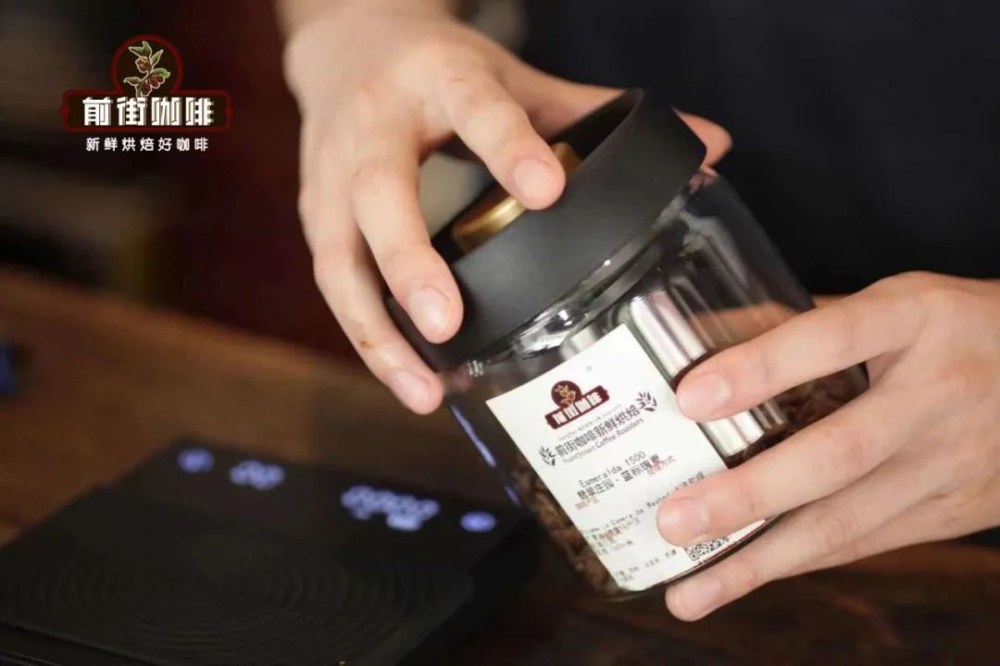
For long-term storage, consider using a vacuum-sealed coffee canister if possible, or taping over the original packaging’s degassing valve—both are effective ways to delay oxidation. Additionally, reduce the frequency of opening the bag, and reseal it promptly after each use to avoid repeated exposure to air and moisture, thereby preserving the beans’ original flavor.
So, how long does ground coffee retain its flavor after being ground? The answer might surprise you.
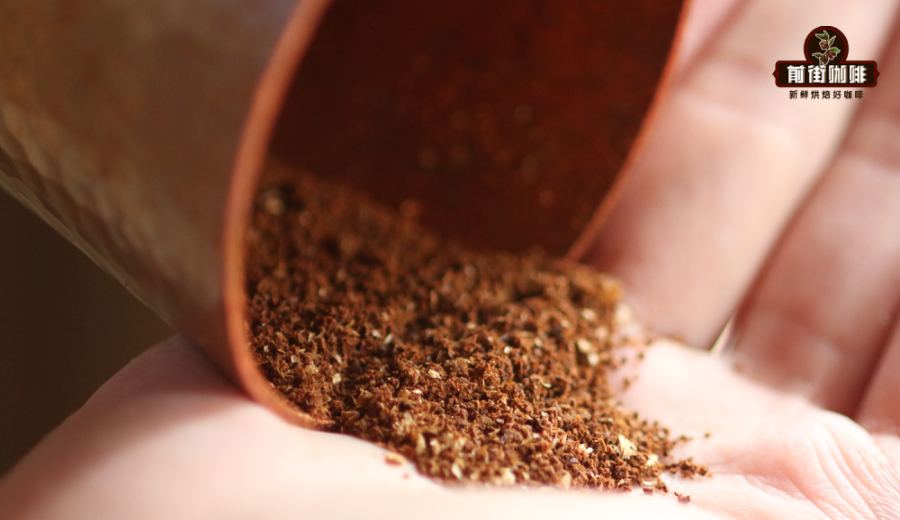
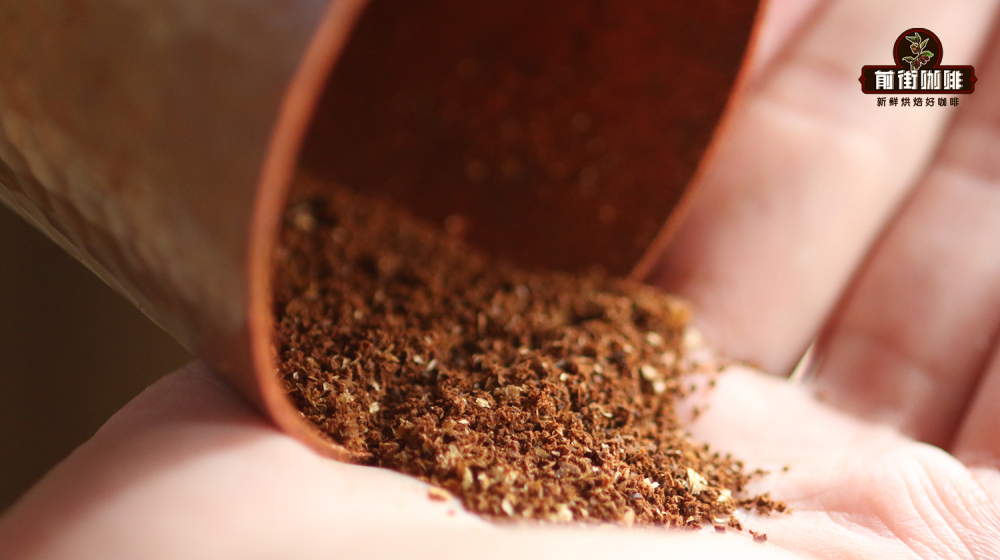
The moment coffee is ground, the carbon dioxide and volatile aromatic compounds trapped inside the beans rapidly diffuse into the air—this is why freshly ground coffee always smells so intense. However, once ground, the increased surface area in contact with air accelerates aroma loss, drastically shortening the flavor window.
To investigate the actual performance of ground coffee, an experiment was conducted: using the same batch of Panamanian Boquete Geisha beans, they were ground on the 30th, 21st, and 14th days post-roasting, respectively, then sealed and brewed side by side. The results showed that, under well-sealed and minimally opened conditions, ground coffee retained decent flavor for up to three weeks, though intensity gradually declined. Beyond a month, however, the aroma nearly vanished, leaving only a dull, baseline coffee taste.
Therefore, if you buy pre-ground coffee, it’s best to use it promptly or divide it into small portions, taking out only what you need each time to avoid rapid aroma loss from frequent openings. Similarly, if you purchase large quantities of whole beans but don’t use them often, consider grinding them fresh as needed to ensure peak flavor in every brew.
To better understand how ground coffee’s flavor changes over time, another experiment tracked a washed Yirgacheffe (roasted on December 29, 2024) continuously, documenting its performance from fresh grind to the third day.
When freshly ground and brewed, its dry aroma was rich, featuring pronounced white flowers, citrus fruit notes, and honey sweetness. During the bloom, the coffee bed expanded normally, with clear flavor layers including bright orange peel, lemon, Asian pear, and plum acidity, followed by subtle nut, caramel, and green tea notes in the aftertaste.
By the first day post-grinding, while citrus and floral notes remained, the overall aroma had slightly softened, with sweet orange, grapefruit, and tea-like qualities becoming dominant. Acidity stayed lively, and sweetness lingered noticeably.
On the second day, the dry aroma faded further, though citrus notes were still discernible. The bloom no longer puffed up distinctly, and fewer bubbles formed during extraction. The flavor profile leaned toward citrus and grapefruit acidity with sweetness, and the aftertaste carried a hint of green tea.
By the third day, the dry aroma shifted to honey and nutty tones, with even fewer bubbles during bloom and extraction. The overall flavor trended toward grapefruit, lemon, and caramel, with acidity less vibrant than at the start and the profile becoming richer and fuller.
Overall, the observation revealed that as time passes, ground coffee not only loses aroma but also transitions from bright, fresh flavors to deeper, heavier ones. This shift is especially noticeable in light to medium-roast coffees with floral and fruity profiles, where some delicate aromas may weaken within just hours. Therefore, if you value coffee’s original aroma and complexity, investing in a grinder and brewing fresh is highly recommended to fully experience its most authentic and captivating flavors.
The above content is compiled by CoffeeHunters, a coffee news website.


