







Introduction:As one of the most representative varieties within the Arabica family, Bourbon coffee has secured its place in the specialty coffee scene with its mild flavor profile and moderate yield. This article delves into the origins of Bourbon coffee, explores the differences among its three fruit-color mutation varieties—red, yellow, and pink—and analyzes their unique flavor expressions. It also provides practical pour over brewing parameters for medium-dark roasts to help you better appreciate the charm of this classic coffee bean.
Coffee is broadly categorized into three main species: Arabica, Robusta, and Liberica. Among these, Arabica dominates the specialty coffee market due to its delicate flavors and lower chlorogenic acid content. Within Arabica, there are numerous varieties (varietals), such as Typica, Bourbon, and Geisha—these are all variant systems derived from the same species. Bourbon is one of the historically significant and influential members, not only known for its consistently stable flavor performance but also as the ancestor of many well-known varieties.
The Bourbon variety can be traced back to the 18th century, when the French introduced round-seeded coffee plants from Yemen to Réunion Island, then known as Bourbon Island—hence the name. Over time, Bourbon adapted to the local environment and became a stably cultivated strain. However, it wasn’t until the mid-19th century that the variety began to spread. Around 1860, it was introduced to Brazil and subsequently rapidly expanded throughout Central and South America, becoming an important cultivated variety in many coffee-growing regions of the area.
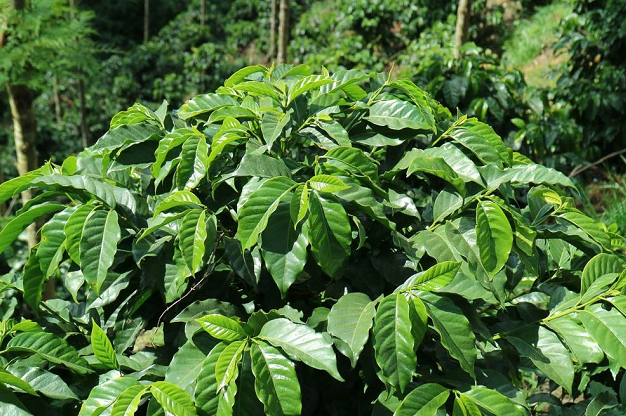
Bourbon coffee can be divided into three main types based on the color of the ripe fruit: red Bourbon, yellow Bourbon, and pink Bourbon. These color variations primarily result from the expression of pigments such as anthocyanins in the fruit, and are also closely related to genetic factors. Generally, coffee fruits start off unripe and green, then transition through light yellow and orange as they ripen, followed by red, and may eventually turn purplish-black. Harvest timing greatly affects flavor—underripe fruit can result in a lack of complexity, while overripe fruit may produce unpleasant fermented notes.
Red Bourbon is the most common type, with bright red fruits when ripe, and is a major planted variety in many regions. Yellow Bourbon is a mutation resulting from crossbreeding Red Bourbon with other varieties, and its ripe fruits display a warm yellow hue. It was first discovered in Brazil and remains predominantly cultivated there to this day. Yellow Bourbon generally has lower yields and is less resistant to environmental changes and pests or diseases, which limits its cultivation range. As for Pink Bourbon, it is an even rarer type, resulting from a cross between Red and Yellow Bourbon. Its pink-colored fruit is controlled by a recessive gene, making it highly unstable and difficult to maintain consistent performance on a commercial scale.
When discussing the flavor profile of Bourbon coffee, it can be summarized as stable and layered in sweetness. Most Bourbon varieties exhibit a distinct nuttiness, accompanied by soft caramel and chocolate undertones, with acidity typically being mild and the overall mouthfeel being rounded. These flavor characteristics make it very suitable for consumers who prefer balanced, easy-drinking coffee, and it also serves as a foundational element in many baristas' blended beans.
For example, the Yellow Bourbon from Fazenda Rainha in Brazil’s Mogiana region is often processed using the natural (sun-dried) method, showcasing rich nutty aromas and a creamy, smooth mouthfeel. Another example is a Red Bourbon from Brazil’s Southern Minas region, which is usually processed via semi-washed methods, offering a flavor base of nuts and chocolate on the palate, with an enticing caramel sweetness in the finish. Though their processing methods differ slightly, both Brazilian Bourbons highlight the variety’s strengths in sweetness and body.
If you’d like to brew a medium-dark roasted Brazilian Bourbon coffee at home, here are some practical reference parameters: First, it’s recommended to use a KONO filter cone, which has a relatively slow flow rate. Its unique design reduces airflow interference through its guide ribs, helping the coffee grounds fully release their aroma—especially suitable for the fuller-bodied beans of medium-dark roasts. Grind the coffee beans to a medium coarseness (approximately 70% passing through a Chinese standard No. 20 sieve), which helps achieve balanced extraction and avoid over-extraction that could lead to woody or astringent off-flavors.
For water temperature, it is recommended to use 87–88°C. This temperature range avoids excessive heat that could bring out heavy bitter or burnt notes, while still highlighting caramelized aromas. The recommended coffee-to-water ratio is 1:15; using 15 grams of coffee as a base, the total brewed liquid should be about 200 milliliters, suitable for 1 to 2 people.
Suggested brewing steps are as follows: Begin with a bloom using twice the weight of coffee grounds in water (about 30 grams) for approximately 30 seconds to allow the coffee to degas. Then pour water in small streams in a circular motion from the center outward. When the total water volume reaches 125 grams, perform the first pour break. Once the coffee bed has settled to the middle of the filter cone, continue pouring to reach 225 grams to complete the second and third pours. The entire process takes about 2 minutes and will yield a coffee with balanced and layered flavors.
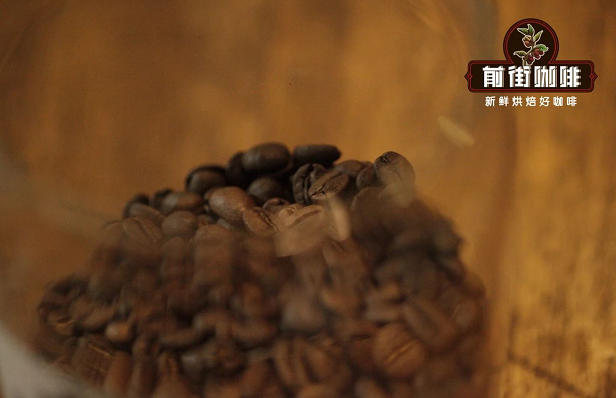
The brewed Bourbon coffee typically carries pronounced dry aromas of lemon, nuts, and peanuts. On the palate, it reveals a full-bodied nutty core, paired with sweet aftertastes of dark chocolate and caramel. The overall mouthfeel is smooth and mellow, making it an excellent choice for coffee lovers who enjoy classic styles. Whether you’re just starting out or are already an experienced coffee enthusiast, Bourbon coffee offers a stable and satisfying tasting experience.
The above content is compiled by CoffeeHunters, a coffee news website.


