







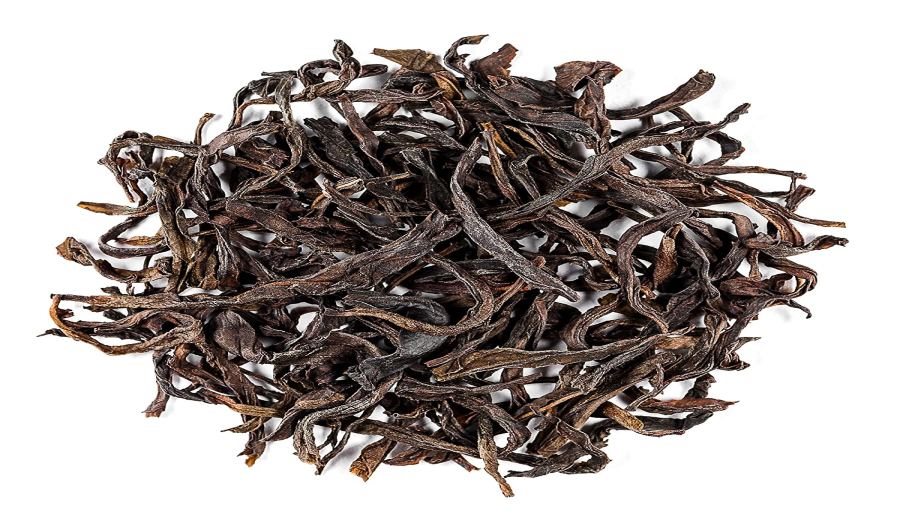
Introduction:Phoenix Dancong oolong tea is renowned for its diverse aromatic profile, among which Duck Shit Aroma and Honey Orchid Aroma are two classic cultivars often compared by tea enthusiasts. This article delves into the detailed differences between the two, from tea tree cultivation and harvesting techniques to flavor characteristics, helping you understand why Duck Shit Aroma boasts unique floral, fruity, and honey notes, while Honey Orchid Aroma is celebrated for its distinct honey and orchid fragrance. Whether you're new to Phoenix Dancong or a seasoned connoisseur looking to refine your tea selection skills, you'll gain practical tips for discerning quality and flavor.
Phoenix Dancong oolong tea has long been celebrated for its richly layered aromas, with "Duck Shit Aroma" and "Honey Orchid Aroma" being two of the most discussed cultivars among tea lovers. Despite its unrefined name, Duck Shit Aroma develops enchanting floral, fruity, and mellow honey notes thanks to its growth in high-altitude, fertile soil and year-round misty conditions. In contrast, Honey Orchid Aroma is known for its clear honey and orchid tones, enjoys higher market availability, and is easier to find. This article will provide a detailed comparison of the flavor profiles of these two Dancong varieties, examining aspects such as tea tree traits, harvest standards, and taste profiles. It will also share insights on how to assess the true quality of the tea based on factors like season, production year, and information provided by suppliers.
Tea farmers in the Phoenix Mountain area once deliberately gave this tea the down-to-earth name "Duck Shit Aroma" to disguise its exceptional quality and prevent cultivation techniques from being copied. Over time, people came to realize that it is actually one of the most representative teas in Phoenix oolong, where each Dancong is usually named after its unique aroma rather than labeled arbitrarily. Interestingly, local tea trees are typically not pruned artificially but allowed to grow naturally up to about 16 meters tall. Harvesting requires climbing to the treetops to pick only three to four mature leaves—these leaves are wider than those used in typical green tea and retain more abundant compounds. This type of oolong tea contains no added flavors or spices, yet naturally emits aromas such as the honey and orchid tones of Honey Orchid Aroma or the herbal fruitiness reminiscent of almond, all of which are truly impressive.
For overseas consumers, Honey Orchid Aroma may be the most common and accessible variety of Phoenix Dancong available in the market. However, in its place of origin, China, tea enthusiasts can enjoy a broader range of aromatic layers, including fresh apricot, honeysuckle, grapefruit, peach, various dried fruits, floral nectar, roasted nuts, and even subtle caramel notes. The term Dancong, translated from Chinese, is often literally understood as "tea from a single tree," but in practice, the leaves mostly come from cloned plants of the same cultivar rather than strictly from a single tea tree. The harvesting standards are also quite particular—tea pickers must climb up to the canopy and select only three to four properly matured large leaves, which is quite different from the usual practice of green tea picking that mainly uses tender buds.
To find truly high-quality tea among the many Dancong products, some discernment skills are required. Experienced buyers such as Matt Chen and Dawn Leung, who regularly source tea directly from the region, remind consumers that if a vendor fails to clearly indicate the tea’s specific aromatic characteristics, the product is likely a lower-grade processed tea categorized as “Langcai,” which tastes vastly different from authentic Dancong.
Although Dancong can be harvested year-round, spring tea—especially that picked in March and April—often delivers the highest quality. Notably, the final roasting process for many teas is delayed by several months, meaning that newly produced Dancong typically doesn’t reach overseas markets such as North America until late summer. However, summer-harvested Dancong, due to the hot climate and rapid leaf growth, generally offers more ordinary quality and can sometimes carry bitterness. Therefore, when making a purchase, consumers should pay close attention to the tea’s harvest month, production year, and even specific picking date—all of which can help more accurately assess the tea’s flavor potential and storage condition.
The above content is compiled by CoffeeHunters, a coffee news website.


