







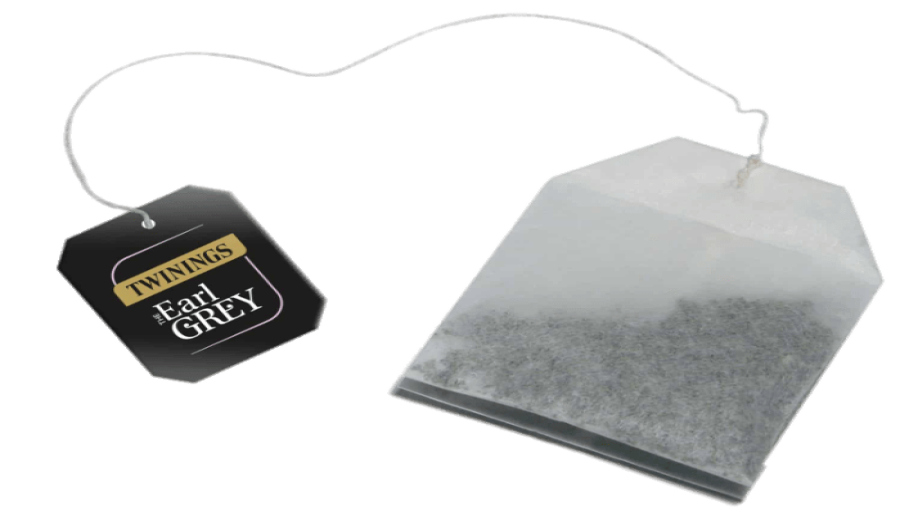
Introduction:Did you know that the tea bags you use every day were originally made of silk? From the first tea leaf holder patent in 1901 to the introduction of the pyramid tea bag in 1996, the evolution of tea bags has not only changed their shape but also completely transformed global tea-drinking habits. This article delves into the real differences between triangular and flat tea bags, traces the key turning points in the invention of tea bags, and shows you how different designs affect the release of tea flavors.
Tea bags have long become an indispensable part of modern life, but have you ever wondered about their origins? Flat tea bags and triangular tea bags not only look different but also show clear differences in brewing performance and the types of tea they are best suited for. This article will take you from the 1901 patent by Roberta Lawson and Mary McLaren, to see how tea bags evolved from a simple idea into the diverse products we have today, and explore how the 1996 pyramid tea bag improved tea leaf expansion and flavor release through its three-dimensional design.
A tea bag is a cleverly designed small pouch, usually with a porous structure and sealed properties, used for conveniently brewing tea or other beverages. These little bags can be filled with various ingredients, including tea leaves, dried petals, herbs, and even spices. Going back to the early 20th century, the way people brewed tea was relatively simple: placing tea leaves directly into a teapot to steep, then pouring the liquid into a cup to drink. This method was not only inconvenient for controlling strength but also prone to wasting tea leaves.
In 1901, Roberta Lawson and Mary McLaren from Wisconsin, USA, submitted a patent application for something called a "tea leaf holder." The goal was simple: to brew a cup of tea that tasted fresh and didn’t have floating tea leaves. Their idea laid the foundation for the later popularity of tea bags. Interestingly, as early as the 8th century during China’s Tang Dynasty, people were already using folded and sewn square paper bags to store and protect tea leaves—perhaps the earliest prototype of the tea bag concept.
So, were the earliest tea bags really made of silk? It is said that in 1908, American tea and coffee importer Thomas Sullivan, in order to conveniently showcase tea samples, packed tea leaves into small silk bags. Surprisingly, his customers directly placed these bags into hot water to brew and gave excellent feedback. Although this wasn’t Sullivan’s original intention—he had hoped customers would open the bags before brewing—the accidental discovery became a pivotal moment in tea bag history.
The popularization of modern tea bags, however, is credited to the use of filter paper materials in the 1930s. As filter paper gradually replaced expensive silk or cotton, tea bags began to gain popularity in the U.S. market, while demand for loose tea declined. In 1939, the British brand Tetley first introduced the concept of tea bags to the UK market, but it was Lipton’s 1952 patent for its “flo-thru” tea bag that truly helped tea bags take root in Britain. At the time, tea bag usage in the UK was extremely low—only 3% of tea was brewed using tea bags in 1968—but by the end of the 20th century, that figure had soared to 96%.
The spread of tea bags also spurred innovation in tea processing methods. Early tea bags could only hold finely crushed tea particles. To meet market demand, the tea industry developed the CTC tea-making method (an acronym for “Cut, Tear, Curl”). This tea production technique was first applied in the 1930s in tea gardens in Assam, India. Using a series of cylindrical rollers fitted with sharp blades, the method crushed, tore, and rolled tea leaves into hard little pellets, replacing the traditional rolling into strips. The black tea produced by this method has a strong flavor, making it highly suitable for drinking with milk and sugar.
In 1996, tea bag design saw another major breakthrough: PG Tips’ parent company, Brooke Bond, launched the pyramid-shaped tea bag. This tetrahedral design, known as the “pyramid bag,” officially went on the market after multiple trials. Compared to traditional flat tea bags, pyramid tea bags offer more internal space, allowing the tea leaves to expand more fully during brewing and thus releasing richer flavors. In addition, its unique three-dimensional shape and glossy finish add a touch of elegance. However, it’s worth noting that these types of tea bags are usually made from plastic or bioplastic materials.
The above content is compiled by CoffeeHunters, a coffee news website.


