







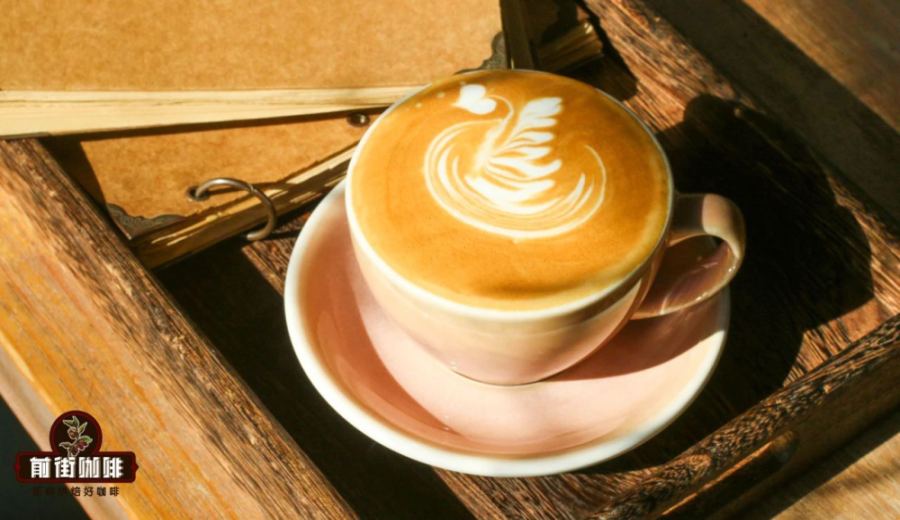
Introduction:The same coffee beans, when brewed using different extraction methods, can showcase entirely distinct flavor profiles. This article delves into four common brewing techniques—drip, immersion, pressure, and siphon—and provides clear answers to frequently asked questions by readers, such as how many times you can use a pour-over filter pack and how it differs from Americano or instant coffee. Using a 10g pour-over filter pack as an example, we explain the three-stage pouring technique with a coffee-to-water ratio of 1:15 to 1:18 and a total water volume of 150–180ml, and recommend bean varieties suited for each method to help you brew a clean, flavorful cup of black coffee easily—whether at home or on the go.
The world of coffee is full of variations; simply changing the brewing method can deliver a completely different taste experience. This article will explore four mainstream brewing techniques—drip, immersion, pressure, and siphon—analyzing their principles, characteristics, and ideal scenarios, while focusing on common concerns among coffee enthusiasts: the correct way to brew pour-over filter packs, how many times they can be reused, whether they’re equivalent to Americano, and the key differences compared to instant coffee. Featuring a 10g pour-over filter pack as an example, we provide a three-stage pouring process with a coffee-to-water ratio of 1:15 to 1:18 and a recommended total water volume of 150–180ml, along with bean recommendations for each technique, ensuring you can consistently brew a clear, flavorful drip black coffee in the office or while traveling.
I’ve always believed that coffee shares many similarities with cooking. The same beans, with just a tweak in the “cooking method,” can result in a vastly different final drink. That’s why I decided to systematically outline several common coffee brewing methods, helping you find the extraction strategy that best suits your taste.
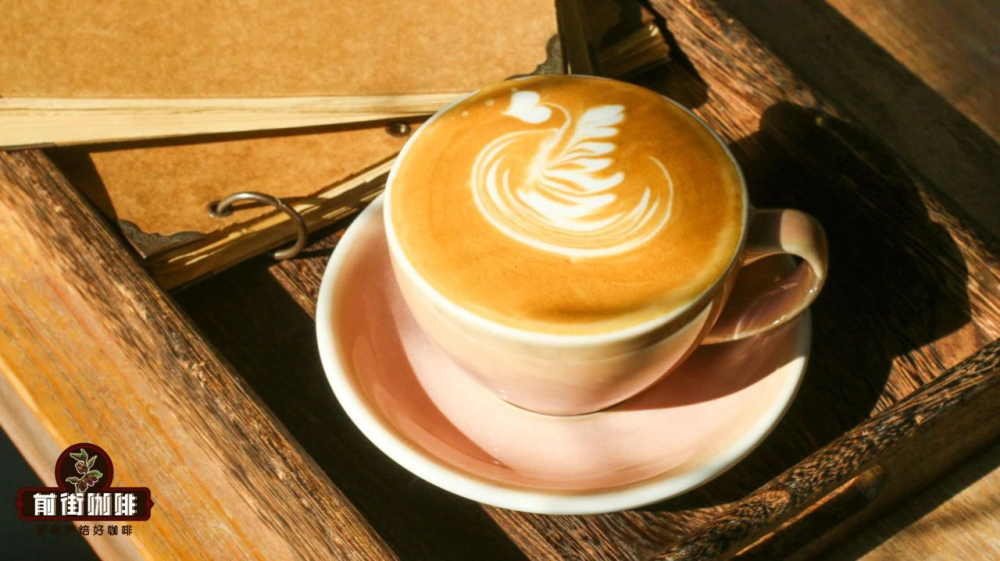
Drip Method
The drip method is the most commonly used technique for brewing single-origin coffee. As the name suggests, it involves continuously pouring hot or cold water over a bed of coffee grounds under normal atmospheric pressure. Through the process of water permeation, aromatic compounds are extracted from the coffee, and the brew drips through the filter into a container below. Thanks to its high filtration efficiency, this method significantly reduces impurities and over-extraction flavors, resulting in a coffee with a high degree of clarity—making it particularly well-suited for highlighting the floral and fruity notes often found in light to medium roasted beans. Additionally, the drip method is often combined with immersion to further enrich the texture and body of the cup.
Common applications include pour-over coffee, cold drip, American drip brewers, and the pour-over filter packs we’ll detail next.
What Are Pour-Over Filter Packs?
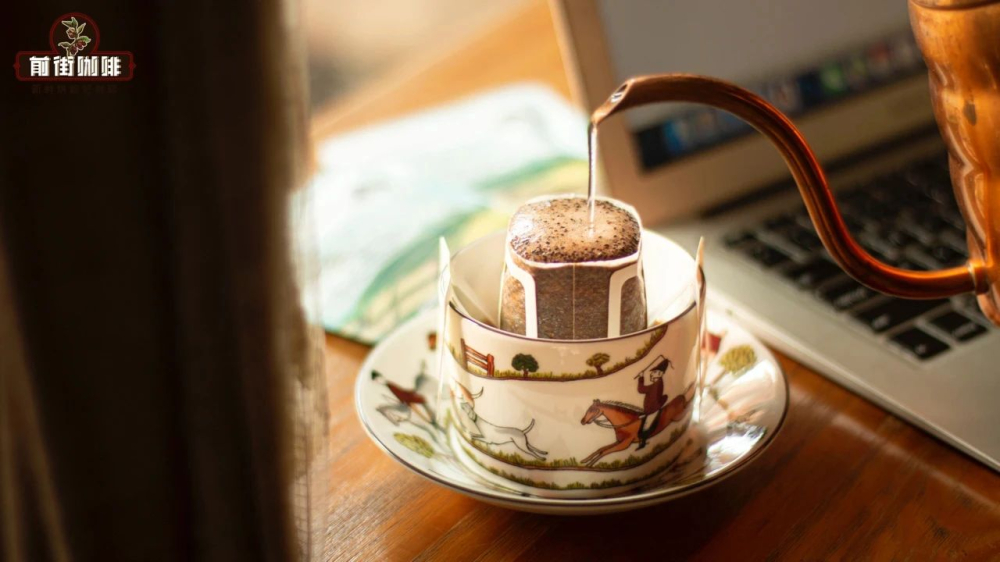
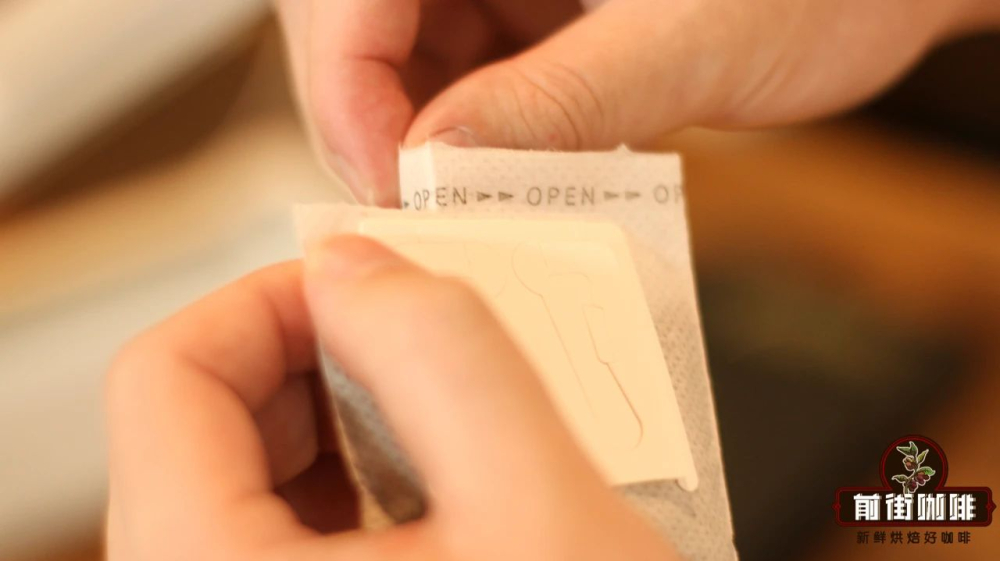
Often likened to the “instant noodles” of the coffee world, pour-over filter packs offer a convenient yet quality-focused drip brewing solution. They consist of pre-ground coffee packed into a non-woven fabric filter bag with built-in “ears” on either side. To brew, simply pour hot water over the pack—the filter separates the grounds, delivering a pure cup of black coffee in moments. Whether at the office, in a park, or even on a train or plane, all you need is a cup and hot water to enjoy freshly brewed coffee anytime. In short, pour-over filter packs are the most modern-life-friendly form of drip coffee.
The design of pour-over filter packs is inspired by traditional tea bags but optimized to mimic the precision of manual pour-over brewing. The inventor pre-fills the pack with ground coffee and uses paper “ears” on both sides to stabilize the pack, keeping it centered over the cup rim to ensure even saturation of the coffee grounds.
Since the coffee is pre-ground and no professional pour-over equipment is used, some may worry about compromised aroma compared to freshly ground manual brews. However, the fine filter mesh used in these packs effectively removes impurities, resulting in a cleaner, purer coffee flavor. For most users, the biggest appeal of pour-over filter packs lies in their “ultra-simple operation”—no complicated gear needed, just a reliable cup of drip black coffee in daily life.
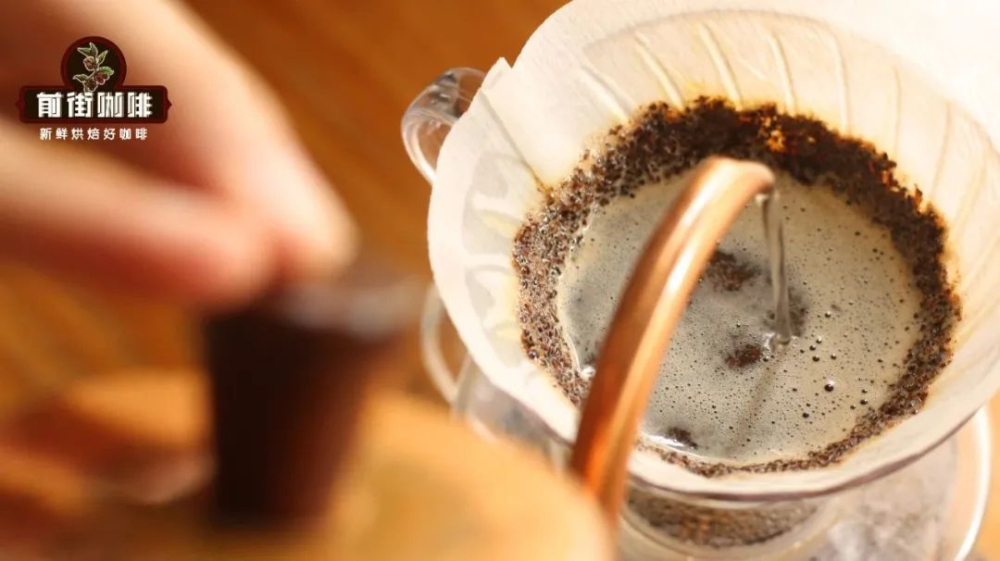
As for the brewing method, it’s actually quite straightforward. Using a common 10g pour-over filter pack as an example, we recommend a coffee-to-water ratio of 1:15 to 1:18, with a total water volume of around 150–180ml. The standard process is divided into three stages of pouring: first, add a small amount of hot water to fully bloom the grounds; then pour until the pack is about half full and let it sit for roughly 10 seconds to pre-wet; next, pour twice in succession until the pack is about four-fifths full, wait for the brew to fully drip through, and then continue adding water in stages until the full volume is reached. Pouring too much water at once may cause it to bypass the coffee layer and flow out from the sides of the pack, affecting the richness and completeness of the flavor.
Based on multiple tests, this three-stage pouring method takes about one and a half minutes, with the total water volume typically around 150ml. If you prefer a lighter-tasting coffee, you can add an extra pour to four-fifths full, bringing the total to approximately 180ml.
Recommended Pour-Over Filter Pack Coffee: Try a blended variety featuring beans from five regions—Honduras, Kenya, Ethiopia, Panama, and Indonesia—offering a rich and diverse flavor experience.
Immersion Method
The core of immersion brewing lies in steeping a relatively large amount of water with coffee grounds for a set period, with the duration adjustable based on preference. Compared to the drip method, this approach is less influenced by the brewer’s subjective actions, more faithfully representing the coffee beans’ inherent qualities, which is why it’s often used as the standard procedure for coffee cupping.
Its standout feature is minimal human intervention—the resulting coffee usually has a richer body, more even flavor distribution, and a fuller release of aromas, making it ideal for those who enjoy savoring the essence of coffee itself.
Suitable equipment includes the Clever Dripper, cold brew systems, French press, AeroPress, and certain specially designed pour-over tools.
Recommended Beans: Fruit Ding Ding (highlighting fresh floral notes), Little Tomato (with a bright cherry tomato character), and Xi Zhua (showcasing vibrant passion fruit flavors).
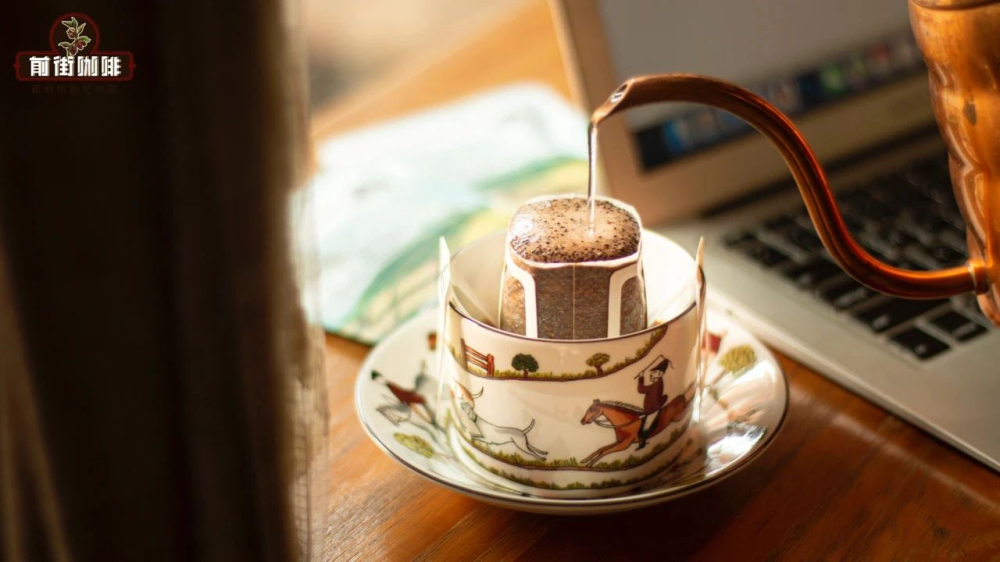
Pressure Method
The key to pressure brewing is introducing pressure into the extraction process. In this technique, in addition to the basic elements of coffee grounds and water, the high-pressure environment causes soluble substances in the beans to dissolve rapidly. At the same time, carbon dioxide inside the beans is released under pressure, combining with coffee oils to form a golden layer of foam (often mistakenly called crema) that floats on the surface of the coffee.
This method boasts extremely high extraction efficiency, producing a highly concentrated coffee liquid in a short time, with a glossy surface, rich mouthfeel, and layered complexity—making it an excellent base for milk-based drinks like lattes and cappuccinos, thereby expanding your brewing possibilities.
Suitable equipment includes the moka pot and espresso machines.
Recommended Beans: Classic blends, dark cocoa-based blends, commercial blends, and specialty blends—all of which can showcase the intense potential of pressure brewing.
Siphon Method
Siphon brewing is a unique technique exclusive to the siphon (vacuum) pot. Its principle relies on the steam pressure generated by heating water in the lower chamber, which pushes the hot water up into the upper chamber where it comes into contact with the coffee grounds for thorough extraction. When the heat is turned off and the lower chamber gradually cools, the internal pressure drops, causing the brewed coffee to siphon back down through the tube into the lower chamber, completing the extraction cycle.
The coffee produced by this method combines the rich body of immersion brewing with the clarity of drip coffee, resulting in a balanced and layered cup. Moreover, the dramatic visual dynamics and steam effects during the siphon process make it not just a brewing tool, but a highly theatrical coffee ritual.
Suitable equipment is limited to the siphon (vacuum) pot.
Recommended Beans: Red Cherry, Flower Butterfly, and 2013 Yunnan Peaberry—each perfectly showcasing the unique charm of siphon brewing.
The above content is compiled by CoffeeHunters, a coffee news website.


