







Introduction:This Costa Rican Tarrazú-grown Yellow Catuai washed coffee, named after the musical maestro Beethoven, boasts a clean, bright flavor profile and rich fruity aromas, making it a top choice for many pour over enthusiasts. This article delves into the characteristics of the growing region, the origins of the variety, and the refined washed processing method, while also providing professionally recommended coffee-to-water ratios and brewing tips to help you fully showcase the unique berry and citrus notes of this high-altitude coffee.
Beethoven was not only a giant in the history of classical music but also a connoisseur with very particular tastes in coffee. Legend has it that he insisted on personally counting out exactly sixty coffee beans every morning to brew his coffee, all in pursuit of that perfect, satisfying sip. Today, in Costa Rica’s renowned high-altitude Tarrazú region, there is a special specialty coffee bean named “Beethoven,” carrying forward a commitment to purity and precision.
This Tarrazú Beethoven coffee bean is made from the Yellow Catuai variety and is meticulously processed using the washed method. Grown at nearly 2,000 meters above sea level in the mountainous Tarrazú region, it comes from one of the highest-altitude plantations in the area. The cool climate and significant day-night temperature variation endow the beans with a firmer structure and a richly layered aroma. When brewed, it reveals an exceptionally clear taste, along with pronounced berry and citrus acidity, reminiscent of a vibrant tropical fruit tea.
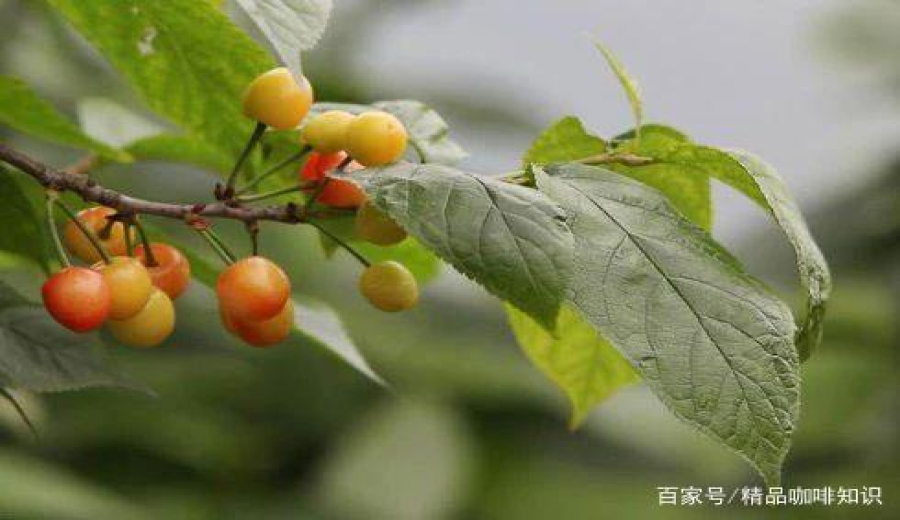
The Yellow Catuai variety was actually developed in 1949 by Brazil’s Instituto Agronômico de Campinas (IAC). It is a hybrid offspring of the Mundo Novo and Caturra varieties. This variety not only offers stable yields but also excels in adapting to high-altitude environments. Its mature coffee cherries are a beautiful yellow, with concentrated sweetness and outstanding flavor expression.
The Tarrazú region is not only famed for its high altitude but also serves as a core hub for fruit cultivation in Costa Rica, particularly for passion fruit. This Beethoven coffee bean comes from Finca Canet, located at the highest point of the region. The farm is primarily dedicated to passion fruit cultivation, with coffee grown only in a very small area of specific microclimates. As a result, each coffee bean receives exceptionally careful attention, with meticulous management throughout the planting and harvesting processes.
In terms of processing, this coffee uses the washed method, a classic technique known for delivering bright and clean flavors. After harvest, the coffee cherries undergo strict sorting to remove underripe or overripe fruits, ensuring that only those at optimal ripeness proceed to the next stage. The pulp is then removed, and a centrifugal washing machine is used to eliminate the residual mucilage layer on the bean surface. This step effectively prevents over-fermentation and preserves the purest intrinsic flavors of the beans. The beans are then rinsed multiple times with clean water until the surface is completely clean, after which the parchment-covered beans are placed on shaded, elevated drying beds to slowly dry for approximately twelve to fourteen days. During this period, they are regularly turned to ensure even drying. This processing method results in a final coffee bean that is especially refreshing, with bright acidity and a long, lingering finish.
For those who enjoy pour over brewing, the following golden ratio is recommended for this coffee: use about 15 grams of coffee grounds with 250 milliliters of water, keeping the coffee-to-water ratio between 1:16 and 1:17—that is, about 16 to 17 milliliters of water per gram of coffee. This ratio fully highlights its bright acidity and layered fruity aromas, while avoiding the bitterness that can come from over-extraction.
During brewing, it is recommended to use a medium-fine grind, roughly between the fineness of superfine sugar and white sugar, with water temperature controlled between 90 and 92 degrees Celsius. For the pour over process, a staged extraction method can be employed—for example, start by pouring 30 milliliters of hot water for a 30-second bloom, then gradually add the remaining water in stages. The total brewing time is ideally kept between 2 minutes and 30 seconds to 3 minutes. This approach more fully releases its berry and citrus notes, while also bringing out a smooth sweetness and a clean finish.
Overall, this Costa Rican Tarrazú washed Yellow Catuai coffee bean, inspired by Beethoven, not only carries a cross-boundary story of music and coffee but also stands out with its high-altitude cultivation background, refined washed processing, and bright fruity acidity. It has become an important gateway for many coffee lovers exploring Central and South American flavor profiles. Whether you’re a beginner or a seasoned enthusiast, as long as you master the right brewing parameters, you can easily appreciate the tropical fruit vibrancy and delicate layers hidden within this coffee.
The above content is compiled by CoffeeHunters, a coffee news website.


