







Introduction:As the global beverage market rebounds, PepsiCo’s latest financial report reveals multiple factors behind the price hikes. In addition to revenue growth, both operating and sales costs have surged sharply, compounded by packaging material shortages and transportation bottlenecks. This beverage giant is now considering another round of price adjustments in the first quarter of next year. This article takes you deep into PepsiCo’s financial figures, supply chain challenges, and how these changes impact the beverage market—including coffee—helping you grasp future pricing trends.
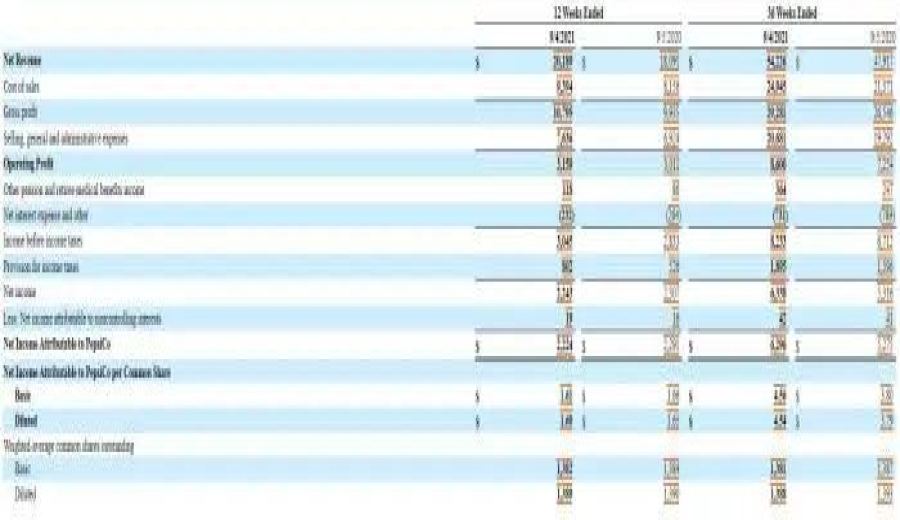
Shortly after Coca-Cola announced price increases, PepsiCo also signaled an upcoming adjustment. According to its Q3 2021 financial report released on October 5, the company achieved revenue of $20.189 billion, marking an impressive year-on-year growth rate of 11.6%. However, it’s worth noting that operating costs and sales expenses also saw significant increases of over 10%, putting considerable pressure on corporate profits.
In the post-pandemic period, as countries gradually relaxed quarantine measures, the global foodservice and retail markets recovered rapidly, leading to a strong rebound in overall beverage demand. This surge in demand directly caused a tightening supply of packaging materials such as beverage bottles and cans, further driving up production costs. Reports from Xinhua News Agency also pointed out that these packaging material shortages have become one of the common challenges faced by the beverage industry.
Moreover, PepsiCo’s financial report further detailed other key factors affecting the supply chain. In addition to tight raw material supplies,labor shortages, reduced air and commercial transportation capacity, along with measures such asport closures or border controlsin certain regions, have all significantly impacted its production and distribution efficiency, and may even weaken overall supply capacity.
Faced with these challenges, PepsiCo’s Chief Financial Officer, Hugh Johnston, admitted in an interview with foreign media that the company might raise product prices again in the first quarter of next year to offset rising cost pressures. This means consumers will likely face another round of beverage price hikes in the near future.
In fact, prior to this, PepsiCo had already increased prices for several sodas and snacks in the North American market as an initial response to rising raw material costs. And this global supply chain volatility not only affects carbonated drinks,but also poses a potential threat to the cost of raw materials in the coffee industry, particularly key items such as coffee beans, dairy products, and packaging materials.
For coffee enthusiasts, although PepsiCo’s main product lines are not primarily focused on coffee, the trends in raw material and packaging costs across the broader beverage market often exhibit certain interconnected effects. Industry insiders remind us that keeping an eye on global commodity market trends can help understand future pricing changes for coffee and other everyday beverages, allowing for better consumer budget planning in advance.
Overall, PepsiCo’s latest financial report is not just an update of financial figures, but also reflects the complex challenges facing the global supply chain in the post-pandemic era. From packaging materials and transportation to labor, shortages and bottlenecks at every link could be potential drivers of the next wave of price increases. For both consumers and the industry, understanding these trends will help make wiser choices in a changing market.
The above content is compiled by CoffeeHunters, a coffee news website.


