







Introduction:Explore the flavor secrets of globally renowned coffee regions, from the low-acidity richness of Asia to the bright fruity notes of Africa, the balanced profiles of Central and South America, and the delicate sweetness of island coffees. This article compiles ten classic specialty coffee beans, covering a variety of processing methods such as wet hulling, natural, honey, and washed. It provides a detailed analysis of how geographic characteristics, bean varieties, and processing techniques influence final flavors, along with expert brewing recommendations to help you discover your preferred coffee profile.
The allure of coffee stems from the unique flavors born from the interplay of regional terroir and post-harvest processing. From the deep richness of Asia to the bright freshness of Africa, the layered balance of the Americas, and the delicate aromas of island types, each coffee bean carries its own distinct geographic DNA and human craftsmanship. This article will introduce readers to ten representative specialty coffees from the world’s three major regions, including well-known varieties processed via wet hulling, natural, honey, and washed methods—from the classic Indonesian Mandheling to the exceptionally prized Panamanian Geisha, and even Jamaican Blue Mountain—offering a comprehensive understanding from flavor profiles to practical brewing parameters.
Due to differences in origin, variety, and processing methods, the acidity, sweetness, and aroma of coffee can vary greatly. For example, washed processing typically delivers bright, clean acidity and a crisp mouthfeel; natural processing often showcases intense tropical fruit notes with hints of natural fermentation, resulting in a rounder, fuller body; honey processing combines elements of both washed and natural methods, retaining more mucilage to create complex sweet flavors reminiscent of wine or dried fruit, with a more balanced acidity-sweetness ratio. Understanding these fundamental differences is the first step in selecting coffee that suits your taste.
First up is the classic representative from Southeast Asia—Mandheling from Sumatra, Indonesia. This coffee is known for its low acidity, bold body, and pronounced sweetness, with distinctive herbal and earthy aromas paired with a rich mouthfeel, making it a top choice for those who prefer intense, low-acid profiles. The region’s high-grade single selections feature uniformly sized beans with extremely low defect rates, ensuring purity and consistency through meticulous manual sorting. Processed using traditional wet hulling, it suits drinkers who enjoy robust nutty and chocolatey flavors. Brewing recommendation: medium-fine grind, water temperature around 90°C, highlighting its nutty and caramel notes, with a long finish of dark chocolate and caramel.
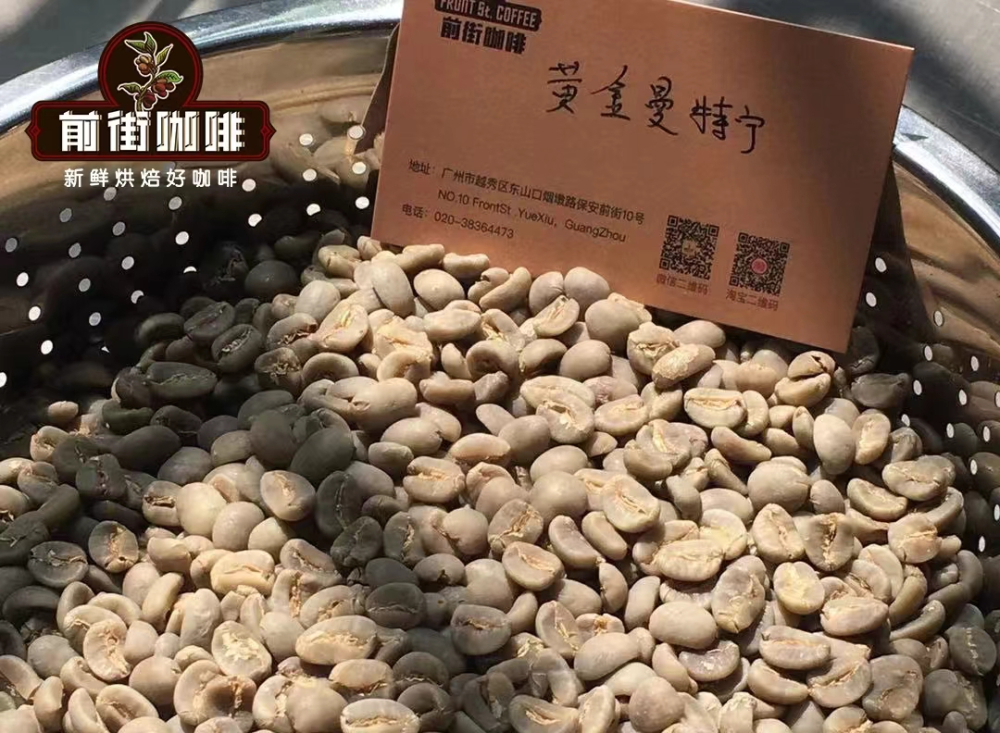
Next is Yirgacheffe from Ethiopia, Africa, a region hailed as the cradle of specialty coffee. When lightly roasted, it offers bright lemon, floral, and honey-like sweetness, with lively yet smooth acidity and a clean cup—making it a popular entry point for newcomers to specialty coffee. If sun-dried (natural), tropical fruit notes like mango and strawberry become more pronounced, with enhanced sweetness and softer, rounder acidity, appealing to those who enjoy fruity and juicy profiles. The region’s high-altitude (1900–2300m) native Typica beans, graded G1, showcase clear flavor profiles with vibrant acidity, pronounced juiciness, and a lingering finish.
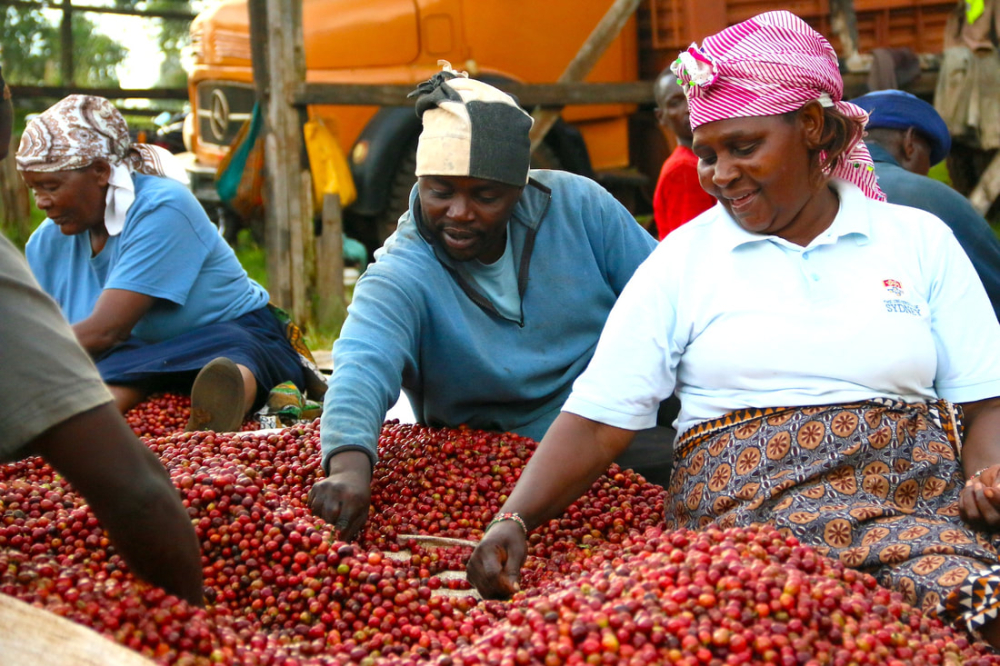
Kenya’s K72 washed beans demonstrate another expression of acidity. The Kenyan government enforces strict grading and quality control, with AA being the highest grade and TOP further selecting elite batches. These beans undergo Kenya’s signature 72-hour double fermentation, intensifying berry and red wine-like acidity with distinct tomato and dark plum notes. The acidity is crisp and persistent, with a creamy, green tea finish, offering layered complexity. Ideal for those who appreciate bright, high-acidity profiles, recommended medium-coarse grind and water temperature around 88–90°C to bring out its vibrant berry notes and refined acidity.
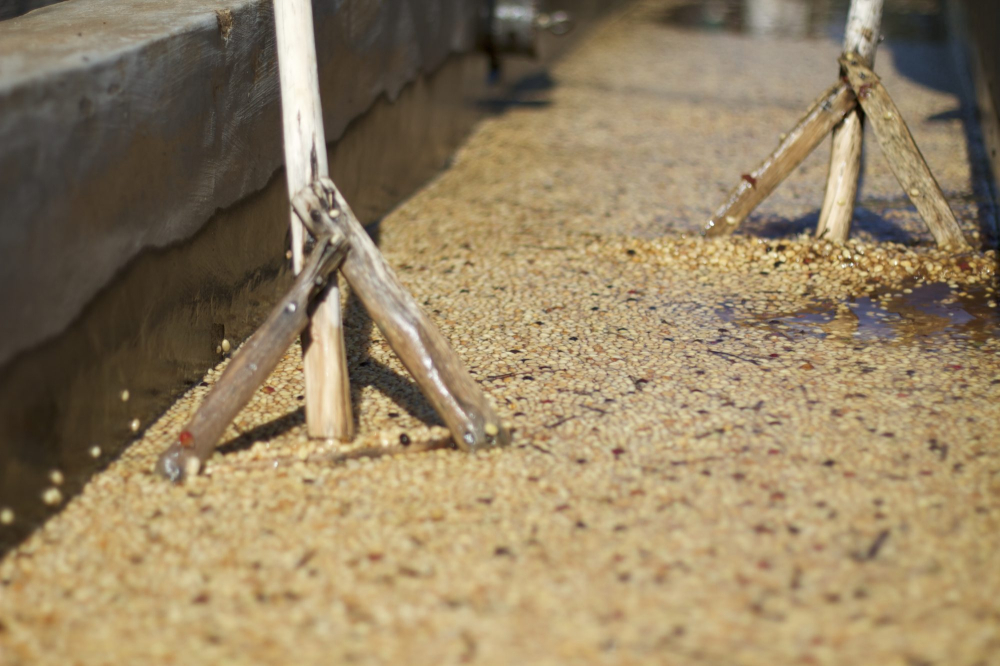
Costa Rica is famed for its honey processing method, which involves drying coffee with its mucilage layer intact under the sun, preserving more sugars and fruitiness. This technique demands precise weather conditions and careful drying to prevent mold, but successful batches often yield rich caramel, stone fruit, and brown sugar sweetness, with balanced acidity and a long finish. The Miramar Estate Geisha blend, processed as raisin honey, grows at ~1700m and features delicate floral notes, soft fruit acidity, and a notable almond-toned finish, with outstanding sweetness—suited for those who prefer sweet, mellow profiles.
As the world’s largest coffee producer, Brazil may not excel in bright acidity, but its stable, mild flavors, low acidity, and moderate body make it a staple in many blends. Among them, the Yellow Bourbon variety stands out with soft fruitiness, low acidity, and rich nutty and chocolatey notes. The Yellow Bourbon from Fazenda Rainha, once a COE winner, is processed semi-washed to retain balanced sweetness and fruitiness, with a smooth mouthfeel and prominent chocolate and nut aromas. Ideal for those who enjoy balanced, low-acid profiles, recommended medium-coarse grind and water temperature around 90–92°C to enhance its sweetness and chocolatey core.
Papua New Guinea’s Paradise Bird coffee is often compared to Blue Mountain. Influenced by colonial history, its cultivation and grading systems resemble those of Blue Mountain. The coffee features nutty and cocoa notes as the base, complemented by berry sweetness, resulting in a rich, balanced cup with soft acidity. The Sigri Paradise Bird Estate AA-grade washed beans, grown at 1600–1800m from the Typica variety, offer intense cocoa and nut aromas, soft acidity, and a smooth mouthfeel—suited for those who prefer bold yet not overly acidic profiles.
When discussing specialty coffee, Panama’s Geisha variety is indispensable. Originally discovered in Ethiopia and later cultivated in several countries, it ultimately thrived in Panama’s Hacienda La Esmeralda. Geisha is renowned for its extraordinary aromatic layers, rich tropical fruit notes, and distinct citrus and bergamot finishes, with a clean cup and moderate body, earning the title “Champion of Aroma” in the coffee world. The Boquete Geisha, processed washed at 1600–1800m, delivers diverse flavors from jasmine and citrus to berries, honey, cream, and cantaloupe, with a long, fragrant finish—a must-try for fruit and aroma enthusiasts.
Jamaican Blue Mountain coffee is famed for its rarity and high price. Grown only in the Blue Mountains at elevations between 3,000–5,500 feet and certified official, this coffee balances acidity, sweetness, and bitterness with a soft, delicate mouthfeel and fresh aroma, making it a dream coffee for connoisseurs. The Blue Mountain No.1 from the Clifton Estate, processed washed at 1310m from the Typica variety, offers a refreshing, balanced profile with refined acidity and a sweet finish—a quintessential representation of high-altitude coffee.
Guatemala, in Central America, boasts diverse microclimates and volcanic terrain, resulting in varied coffee profiles. Its beans often exhibit a gentle, full-bodied texture, elegant aromas, and pleasant acidity, earning it the reputation of “aristocrat coffee” among enthusiasts. The Antigua region’s Fleur de Café, primarily Typica and Caturra, is washed processed with noticeable but soft acidity, featuring berry, citrus, and light chocolate notes, a smooth mouthfeel, and rich layers—suited for those who enjoy mild acidity and refined textures.
Finally, returning to Ethiopia—the birthplace of coffee—beyond Yirgacheffe, the Geisha variety also thrives here. The Geisha Village Estate Gold Label Geisha, from the Oma plot in the Bench Maji region at 1900–2040m, is the original 1931 Geisha variety, processed naturally. Its flavor profile is extraordinarily complex, with citrus, berries, cream, caramel, melon, and honey, alongside intense, layered aromas—a top choice for those who love intricate scents and sweet fruit notes.
The above content is compiled by CoffeeHunters, a coffee news website.


