







Introduction:Want to understand the difference between Golden Mandheling and regular Mandheling? This article delves into the origins of Indonesia’s Sumatra Golden Mandheling, the rigorous selection process by the PWN company, and the key influence of the wet hulling method on flavor. It also provides practical pour over recommendations and precise parameter settings to help you consistently brew a rich and layered cup.
Among the many deeply roasted coffees with bold flavors, Mandheling from Indonesia’s Sumatra region has long been favored by seasoned coffee enthusiasts for its full-bodied mouthfeel and distinctive spicy, herbal notes. Among these, Golden Mandheling is considered the premium representative of Mandheling. So what exactly sets it apart from the regular Mandheling found in stores? This article will break down the unique origins of its name, regional characteristics, PWN’s selection system, and the wet hulling processing method to uncover the reasons behind its distinctive flavor profile. It will also offer practical pour over advice and parameter settings so you can brew a flavorful cup of Golden Mandheling at home.
The term “Mandheling” actually stems from a small misunderstanding during World War II. It is said that a Japanese soldier tasted a uniquely flavored coffee at a café in northwestern Sumatra, Indonesia, and asked the shop owner for the name of the coffee. The owner misunderstood and thought he was being asked where he was from, replying that he was from the Mandheling region. After the war, the soldier recalled that coffee and assumed its name was “Mandheling.” He then commissioned local merchants to import 15,000 kilograms of coffee to Japan, where it became hugely popular. That merchant later founded the well-known Indonesian green bean trading company PWN (Pwani Coffee Company). This is why to this day, many top-tier Mandhelings are still exported by PWN and have become an iconic brand in the market.
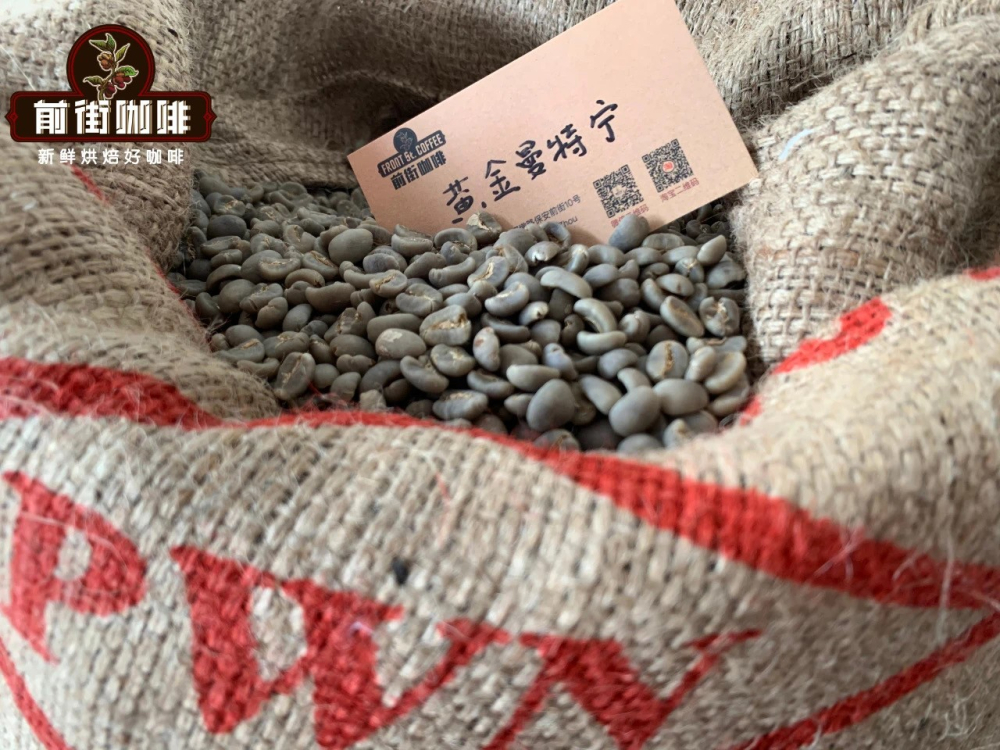
So, what is Golden Mandheling? Simply put, Golden Mandheling is not the name of a specific growing region, but rather a brand name given by the PWN company to Mandheling coffee that meets certain grade and processing standards, and it has been registered as a trademark. Many so-called “Golden Mandhelings” on the market claim to use similar bean selection criteria, but only those products that have truly passed PWN’s strict quality control can be considered authentic. PWN’s selection process is extremely rigorous, including four rounds of hand sorting, followed by machine sorting based on density and color, ensuring uniform bean size and consistent appearance. In total, the beans go through five stages of screening before they can be labeled as Golden Mandheling.
For consumers, how can you tell if what you’re buying is genuine PWN Golden Mandheling? The most straightforward way is to check the packaging and related certification documents. Legitimately imported PWN Golden Mandheling comes with a factory certificate issued by PWN, and the jute sacks used for the green beans feature the clear PWN logo, along with labels such as “PWN GOLDEN MANDHELING TRIPLE PICKED Grade 1 PROD OF INDONESIA 30KGS NET.” If purchasing in-store, you can also look for displays of such packaging or certificates. If you have doubts about the product’s origin, it is advisable to request relevant documentation directly from the seller to ensure you’re getting an authentic product.
In terms of flavor, regular Mandheling from the Lintong region and PWN Golden Mandheling both exhibit the typical herbal, spicy, chocolatey, and nutty notes of Sumatran coffee, along with a rich, full-bodied mouthfeel. However, Golden Mandheling excels in finer details: it has a more pronounced sweetness, gentler and more restrained acidity, and as the temperature drops, it often reveals delicate aromas such as cream, walnut, melon, and even hints of herbs. The aftertaste is also relatively longer-lasting and more layered.
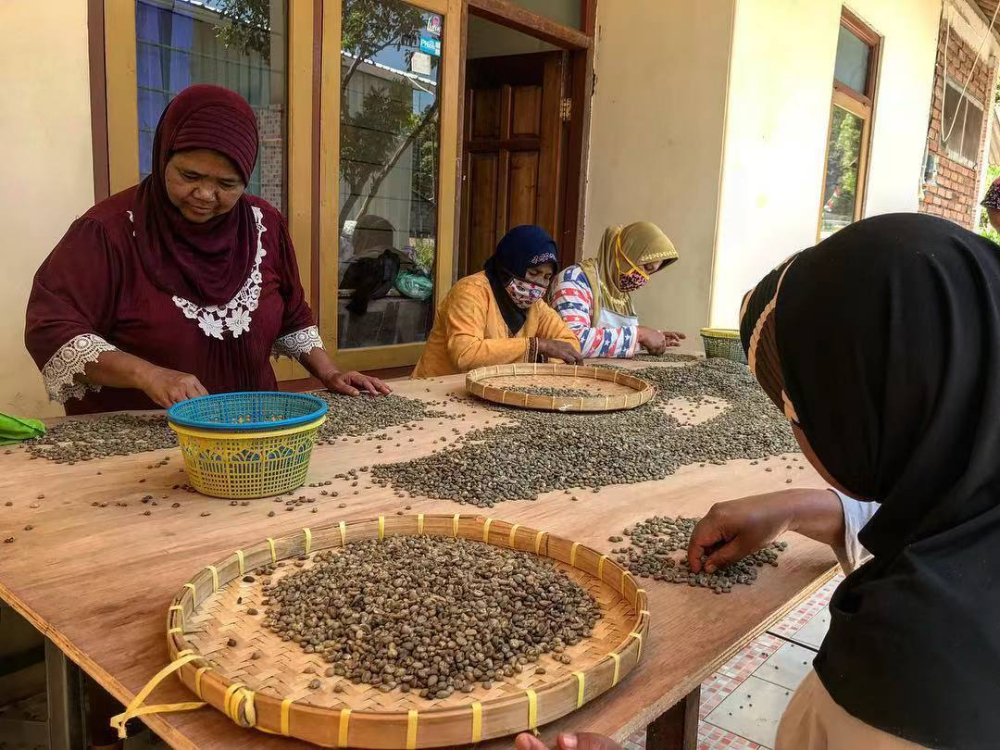
When discussing the unique flavors of Sumatran coffee, one cannot overlook its distinctive “wet hulling” processing method. Indonesia is located near the equator, with humidity levels reaching 70% to 90% year-round, long rainy seasons, and heavy rainfall—sometimes exceeding 2,000 millimeters annually. This makes traditional sun drying or washed processing extremely difficult. Sun drying requires two to three weeks of drying time, but in high-humidity environments, it is highly prone to mold; washed processing, while improving cleanliness, demands significant water and labor resources, making it too costly for local farmers focused on yield. As a result, the so-called “wet hulling” method was developed—a compromise technique that combines elements of washed and semi-dry processing.
In the wet hulling process, harvested coffee cherries first have their skins and pulp removed, followed by a short fermentation period to remove some of the mucilage, and then an initial wash. Next, the parchment-covered beans are placed in drying areas for preliminary drying. Unlike traditional sun drying, wet hulling only reduces the moisture content to around 30%–40%, which takes about two to three days. At this point, the beans are still semi-wet and are sent to the processing facility for further steps. There, the parchment beans are machine-hulled. However, because the beans are not yet fully dry, the bond between the parchment and the green bean remains strong. The hulling machine applies greater friction when removing the parchment layer, causing the green beans to develop surface pressure marks or indentations—known as the “elephant ear” phenomenon.
Once the parchment layer is removed, the remaining “naked beans,” still high in moisture, dry much faster. Due to the shorter drying time, the development of sour fermentation in the coffee beans is less pronounced, but the body is enhanced, accompanied by richer caramel, nutty, and herbal tones. This is the famous “regional character” of Sumatran coffee—a deep, bold, earthy flavor profile. A well-known café’s selection of wet-hulled Mandheling from the Lintong region exhibits these classic traits, which is why it holds a place in the café’s regular recommended coffee list.
If you want to brew a flavorful Golden Mandheling at home, here are practical pour over parameter suggestions: First, use freshly roasted coffee beans within 5 days of the roast date, and ensure the beans have gone through at least 7 to 10 days of rest to allow the aroma and flavors to fully develop. It is recommended to use a medium grind (approximately 70% passing through a Chinese standard No. 20 sieve), and set the water temperature at 87–88°C to avoid over-extracting bitter compounds.
For brewing equipment, you can choose a KONO filter cone, which features fewer flow-guiding ribs and a smooth curved upper section that helps the filter paper adhere better to the cup walls, thereby slowing the water flow and creating an extraction effect similar to a siphon. This helps fully release the coffee’s richness and aroma. The specific parameters are as follows: use 15 grams of coffee grounds, with a coffee-to-water ratio of 1:15, for a total brew water volume of about 225 grams. A three-stage pouring method is recommended. Start with a bloom using twice the coffee weight in water (about 30 grams) for approximately 30 seconds. Then pour in a small, circular motion from the inside out until the total water reaches 125 grams for the first pour. Once the coffee bed has settled to the middle of the filter cone, continue pouring with the same fine stream until you reach 225 grams. The entire brew time should be around 2 minutes. After brewing, gently swirl the coffee liquid before enjoying a cup of Golden Mandheling with distinct layers and a full-bodied, rich mouthfeel.
The above content is compiled by CoffeeHunters, a coffee news website.


