








Introduction:Delve into the double anaerobic enzymatic washed process used for the Colombian Rose Valley coffee beans, exploring everything from fermentation principles to actual flavor profiles, and analyzing the origins of its complex layers—peach, cranberry, and liqueur-like chocolate. Also included is a professional-grade V60 pour over recommendation, allowing you to recreate this high-altitude Caturra bean's refined flavors at home.
In the world of specialty coffee, the processing method plays an increasingly critical role in shaping the final flavor. Among these, the double anaerobic enzymatic washed process has garnered significant attention due to its ability to highlight fruity notes and sweetness. This article takes the coffee beans produced by Granja El Árbol in Colombia’s Rose Valley region as an example, breaking down each step of this innovative process in detail, and showing you how it cultivates the captivating interplay of flavors such as peach, cranberry, and even liqueur-like chocolate.
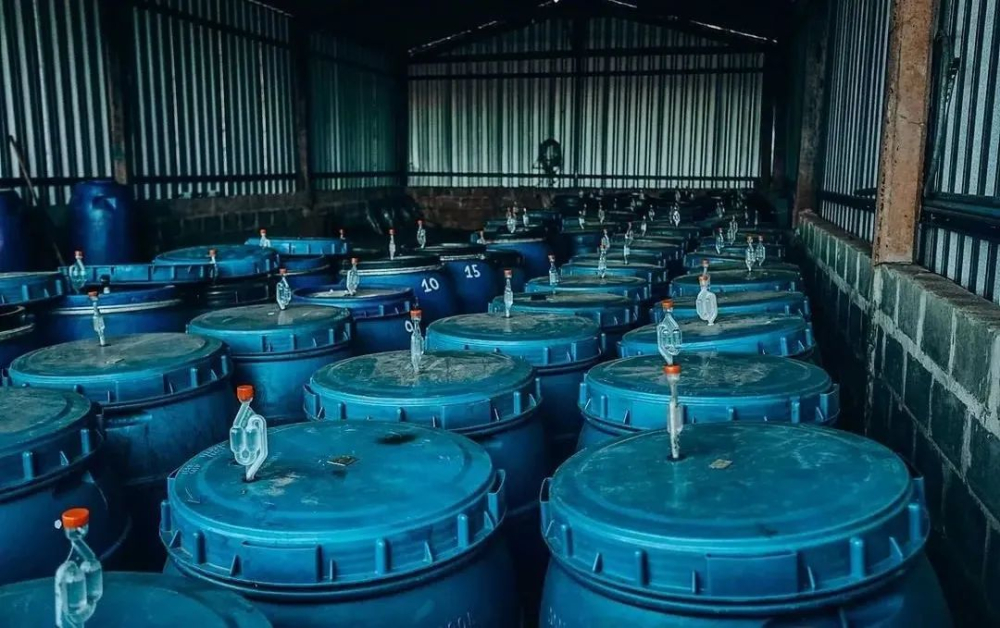
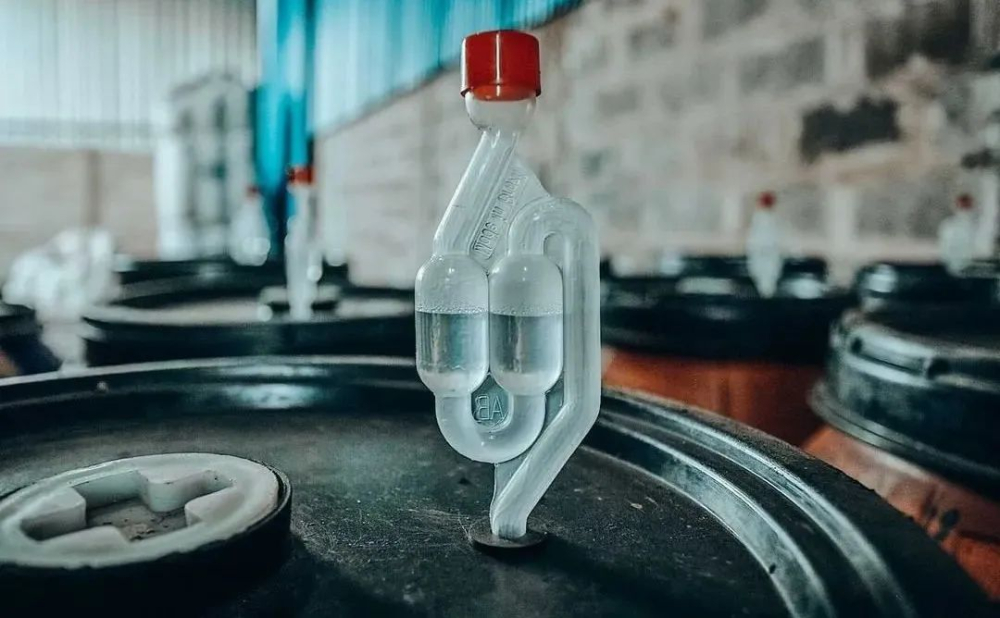
Anaerobic fermentation is a highly regarded technique in modern specialty coffee processing. Inspired by winemaking, particularly red wine production, its core principle involves fermenting coffee cherries in a sealed, oxygen-free environment. By injecting carbon dioxide to displace oxygen, the degradation rate of sugars in the mucilage is effectively slowed down, resulting in a more stable and prolonged fermentation process. This helps the coffee beans accumulate richer sweetness and achieve a more balanced mouthfeel.
The so-called "double anaerobic enzymatic washed" method takes the traditional anaerobic washed process a step further by introducing special enzymes and performing a second anaerobic fermentation. First, the coffee cherries undergo an initial anaerobic treatment and mechanical depulping. Then, the beans, still coated with mucilage, are placed back into a sealed plastic bag or specific container for a second stage of fermentation under strictly controlled anaerobic conditions. This double anaerobic fermentation not only deepens the complexity of the flavors but also enhances the expression of fruity characteristics, giving the final cup more layered and distinctive aromas and tastes.
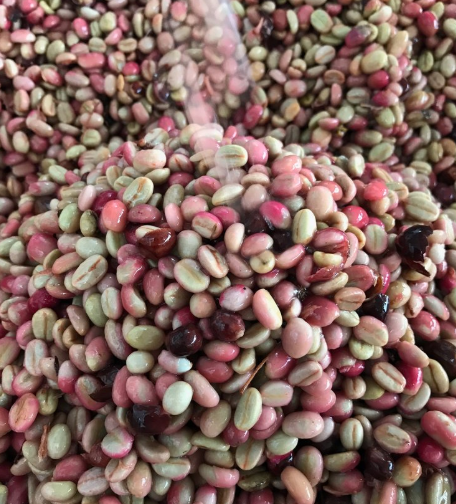
The sample analyzed here—the Colombian Rose Valley coffee—employs this unique processing method. This coffee is renowned for its pronounced peach aroma, accompanied by the sweet-tartness of cranberries and the rich aftertaste of liqueur-like chocolate, along with a hint of elegant rose floral notes, creating a rather three-dimensional flavor profile. These beans come from Finca El Árbol in Santander, Colombia, managed personally by the farm owner, Mr. Vargas, who has over twenty years of cultivation experience. At harvest, Finca El Árbol selects only fully ripe, brightly colored red cherries, first removing defective beans through washing. These beans then undergo two rounds of anaerobic fermentation combined with a carefully selected blend of enzymes to intensify their flavor expression. During drying, the farm insists on using a low-temperature slow-drying method to avoid heat damage to the flavor compounds, ensuring the ultimate quality and taste of the coffee.
The coffee variety used in this Rose Valley coffee is Caturra, a natural mutation of the Bourbon variety, first discovered in Brazil in 1937. Compared to the original Bourbon, Caturra plants are shorter and better suited for dense planting. Caturra is commonly grown at altitudes between 700 and 1750 meters, with higher altitudes generally producing superior flavors, often characterized by bright fruit acidity and soft sweetness. Currently, Caturra accounts for about 45% to 50% of Colombia’s total coffee cultivation area and has become one of the country’s key coffee varieties.
If you’d like to recreate this Rose Valley coffee’s refined flavors at home via pour over, here are professional-grade V60 brewing parameters: Use a V60 dripper, with water temperature controlled between 90–91°C, and a grind size recommended at 80% passing through a #20 sieve (if using an EK-43s grinder, adjust to setting 9.5). The coffee-to-water ratio is set at 1:15, with a suggested dose of 15 grams. For the specific steps: first, place the coffee grounds in the filter, and add double the coffee’s weight in water (about 30 grams) for the bloom, steeping for about 30 seconds to help release aroma and activate the grounds. Then, pour water in a slow, circular motion from the center outward using a fine stream. When the total water volume reaches 125 grams, perform the first pour. Once the coffee bed has descended to about half its height, continue pouring with the same fine stream up to 225 grams for the second pour. Finally, allow all the coffee to drip through, with the total extraction time around 2 minutes.
Through this processing method and precise extraction parameters, this Colombian Rose Valley coffee presents multiple layers of flavor: upon the first sip, you’ll notice distinct rose floral notes paired with the sweetness of peaches; soon after, the richness and subtle bitterness of liqueur-like chocolate emerge; as the cup cools slightly, the tart-sweetness of cranberries and the lingering finish become even more pronounced—a specialty coffee worthy of careful savoring.
The above content is compiled by CoffeeHunters, a coffee news website.


