







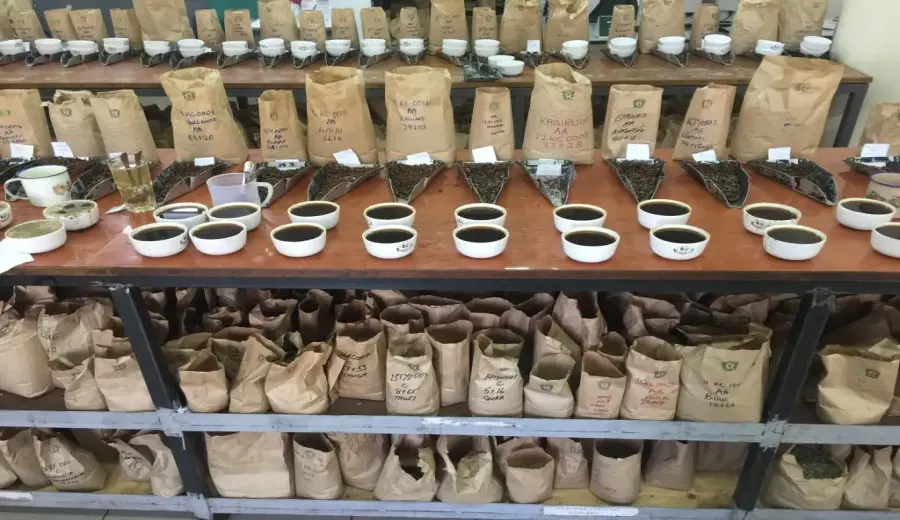
Introduction:Kenyan coffee has carved out a niche in the global specialty coffee scene with its vibrant fruitiness and lively acidity. But do you know the criteria these highly acclaimed beans are graded by? This article delves into the eight-tier grading system of Kenyan coffee beans, from Grade E to Grade T, explaining the selection criteria, bean size, and typical flavor profiles of each grade. It also introduces Kenya’s coffee-growing regions and harvest seasons, helping you choose the most suitable grade based on your preferences when buying or brewing pour over coffee.
Kenyan coffee wins the hearts of countless coffee enthusiasts with its rich fruity aromas and juicy, vibrant acidity. To truly appreciate the charm of Kenyan coffee, start with understanding its rigorous grading system. Kenyan coffee beans are divided into eight grades based on bean size, appearance, and defect rate — ranging from the rare Elephant Grade (E) to the domestically sold MH/ML grade. Each grade has its unique characteristics. This article will break down the differences among these eight grades, helping you select beans that best suit your brewing method more precisely and enhancing your overall pour over or extraction experience.
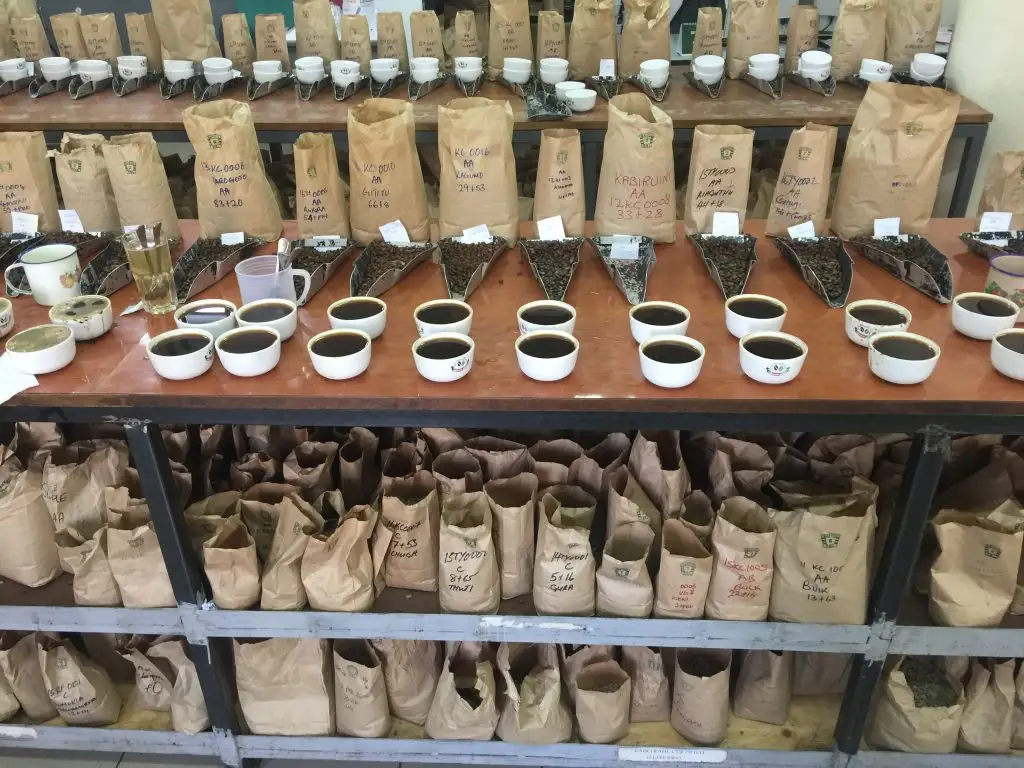
Neighboring the birthplace of coffee, Ethiopia, Kenya’s coffee products enjoy an outstanding reputation in the international market and are favored by professionals. A great cup of Kenyan coffee often showcases a high degree of flavor clarity, including bright acidity, vivid fruit notes, and delicate body. Common flavor profiles include citrus, berries, and even wine-like layers. These distinctive traits make Kenyan coffee stand out uniquely in the specialty market, with no exact substitutes.
The history of coffee cultivation in Kenya dates back to the 19th century when coffee culture was first introduced from South Yemen. However, it wasn’t until the early 20th century that Bourbon variety coffee was officially introduced via the Missionaries of St. Austin. Thanks to Kenya’s exceptional geographical and climatic conditions, these coffee trees found an ideal growing environment, eventually giving rise to world-class specialty coffee.
Located in East Africa, with the equator running through the center of the country and the East African Rift Valley stretching from north to south, Kenya’s terrain is predominantly highland, with an average elevation of about 1,500 meters. It is home to Africa’s second-highest peak, Mount Kenya (also known as Mount Kirinyaga), which stands at 5,199 meters above sea level and is capped with snow year-round. The country has a tropical climate, but due to its high altitude, temperatures remain moderate. With two rainy seasons each year — from June to August and from October to December — these climatic and geographical factors provide an environment for coffee cherries to ripen slowly, aiding in the accumulation of flavor compounds and creating Kenyan coffee’s unique fruit acidity and aroma.
Kenya’s coffee-growing areas are mainly concentrated in the volcanic soil belt at elevations between 1,600 and 2,100 meters, centered around the region from the capital Nairobi to the area surrounding Mount Kenya. The high-altitude environment slows the growth of coffee cherries, contributing to more concentrated flavors and a denser bean structure. Major producing regions include Thika, Kirinyaga, Mt. Kenya West, Nyeri, Kiambu, and Muranga. The harvest seasons in these regions are largely similar, primarily from October to December, with a secondary season from June to August.
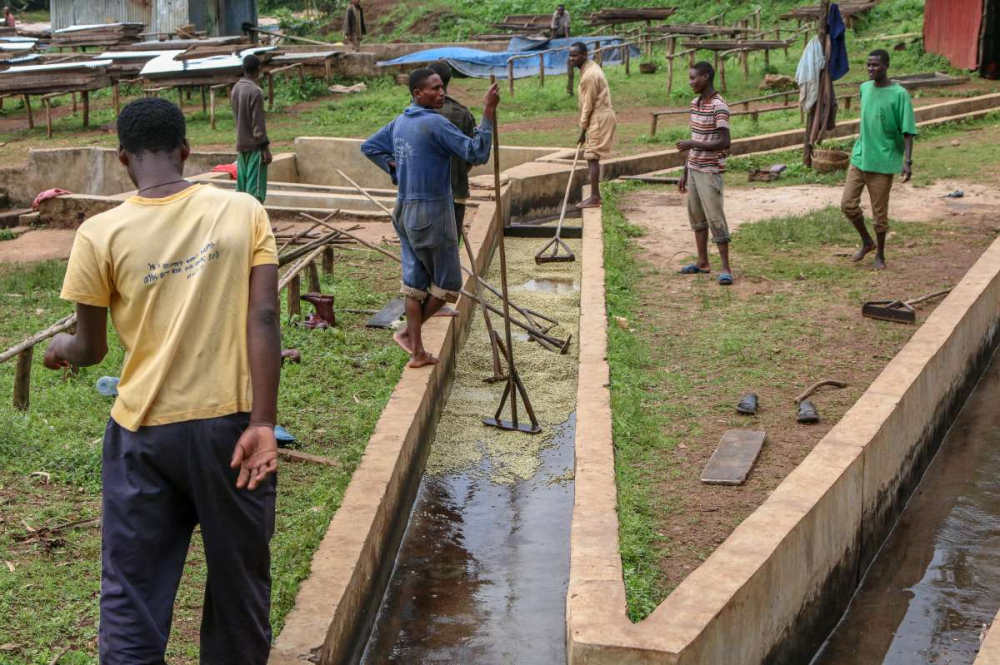
The grading system for Kenyan coffee beans is mainly based on bean size, shape, and screen size throughput, and is divided into eight grades, ranging from the highest grade AA to the domestically sold MH/ML grade.
Grade E (Elephant Bean): The name “E Grade” comes from “Elephant,” but it is not related to the commonly known Elephant Bean variety, Maragogype. E Grade beans are formed when abnormal development causes two seeds to fuse together, resulting in a single, unusually large bean, typically measuring over18 mesh (approximately 7.1 mm). Due to their extremely low yield and classification as a developmental defect, these beans are generally not included in the mainstream grades of specialty coffee.
Grade AA: This is the most well-known grade of Kenyan coffee, with bean sizes of approximately17 to 18 mesh (about 6.7 to 7.1 mm), often referred to as AA TOP, and is highly sought after in the specialty market. However, it’s important to note that AA refers only to size and does not necessarily indicate the best flavor, which still depends on processing methods and origin.
Grade AB: A blend of A Grade (approximately 6.80 mm) and B Grade (approximately 6.20 mm) beans, with sizes around15 to 16 mesh (about 6.0 to 6.4 mm). This is the main export grade of Kenyan coffee, making up the highest proportion of total production. It offers excellent cost-performance and is suitable for everyday drinking or experimenting with different brewing methods.
Grade C: Smaller in size than Grade B, ranging from14 to 15 mesh (about 5.6 to 6.0 mm), and often used for lower-price markets or blends.
PB Grade (Peaberry / Caracolillo): Also known as Peaberry, this grade makes up about one-tenth of all coffee beans. Its defining trait is that only one seed develops fully inside each coffee cherry, resulting in small, round beans. Many coffee lovers believe PB Grade has a richer flavor and is often sold separately, making it suitable for pour over or French press brewing methods that highlight subtle details.
Grade TT: Composed of light-density beans removed from Grade AA and AB through air classification machines, these beans are usually of unstable quality due to insufficient weight, lack of hardness, or defects, and are mostly used for commercial purposes.
Grade T: Selected from Grade C as even lighter and more incomplete beans, often containing broken or defective beans, and belong to a lower-grade commercial category.
Grade MH/ML: These beans are not exported and mainly consist of overripe coffee cherries that have naturally fallen off the tree. They are of relatively poor quality, accounting for about 7% of total production, and are mainly supplied for local consumption in Kenya.
The above content is compiled by CoffeeHunters, a coffee news website.


