







Introduction:Yirgacheffe is one of Ethiopia’s most iconic specialty coffee regions, renowned for its bright acidity and delicate floral notes. This article will take you on an in-depth journey through the administrative evolution of the region, the ECX system, sub-region distribution, and explore the flavor differences between washed and natural processing methods. It also provides practical insights into native variety characteristics, as well as actual roasting and V60 pour over parameters, helping you fully appreciate the charm of this classic bean from origin to brewing.
Yirgacheffe is a key representative of Ethiopia’s specialty coffee, beloved by coffee enthusiasts worldwide for its pronounced citrus acidity and elegant floral aromas. This small town located in the Sidamo region, while administratively once part of Sidamo, has distinguished itself with its unique flavor profile and has become one of the world’s most renowned independent coffee regions. This article will start with the region’s historical background, the ECX trading system, and the division of its sub-regions, and delve into the flavor expressions of washed and natural processing methods, taking you from the source to understand this classic coffee.
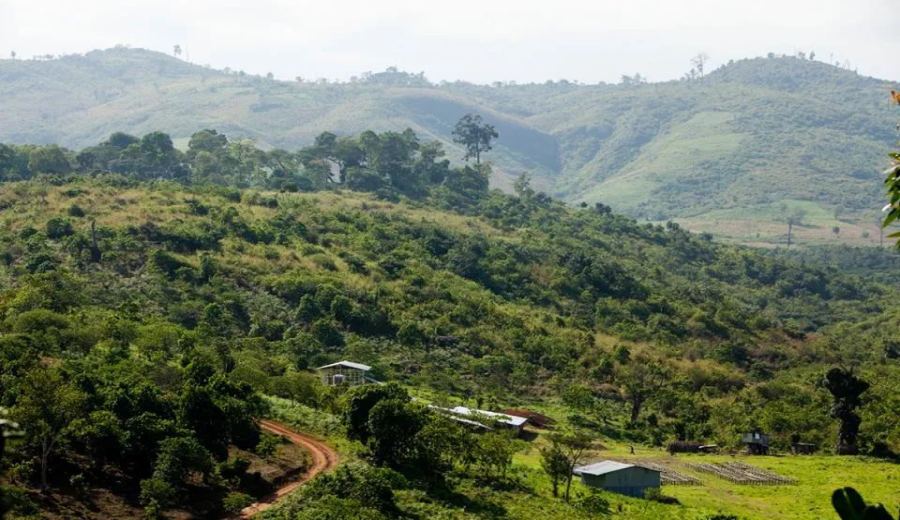
In ancient Ethiopian, Yirgacheffe means “settling in this wetland.” Geographically located in the northwest of Sidamo, near lakes and mountainous areas, it is one of the country’s highest-altitude coffee-growing regions. This environment gives its beans bright acidity and fruity-floral characteristics. Although Yirgacheffe was originally part of the Sidamo region, its highly distinctive flavor eventually led to its market-driven independence as a standalone region, making it one of Africa’s most famous coffee-producing areas.
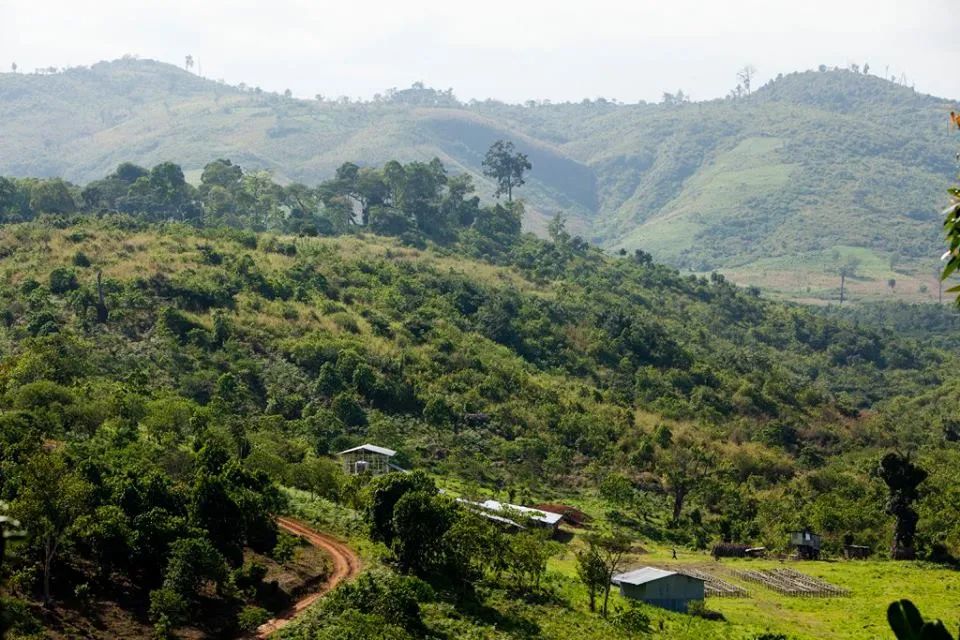
Ethiopia boasts an extremely rich coffee genetic pool. In the past, due to mostly smallholder farming and the sale of coffee cherries rather than processed beans, tracing the origin of coffee beans was difficult, and farmers’ income was limited. To address this, the Ethiopian government established the Ethiopian Commodity Exchange (ECX) in 2008. Through zoning and grading systems, it enabled more transparent tracking of coffee origins. Under the ECX system, the Yirgacheffe region is subdivided into four main sub-regions: Kochere, Gedeb, Gelana, and Wenago. Each area features unique microclimates and processing styles, further enriching the flavor complexity of the region.
Most of Ethiopia’s coffee is grown by smallholders and processed centrally through cooperatives or washing stations. Farmers deliver their harvested coffee cherries to nearby washing stations with access to water, where they undergo subsequent processes such as pulping, fermentation, washing, and drying, before being sold under the name of the processing station. Among them, the Kodomo Cooperative is a noteworthy example. Originally part of the Worka Cooperative under the Yirgacheffe Coffee Farmers Cooperative Union (YCFCU), the Kodomo Cooperative broke away from the original structure in 2012 due to increasing market demand for "single-region traceability." Composed of about 300 farmers, it became an independent cooperative and has since emerged as a highly regarded single-origin supply source in the market.
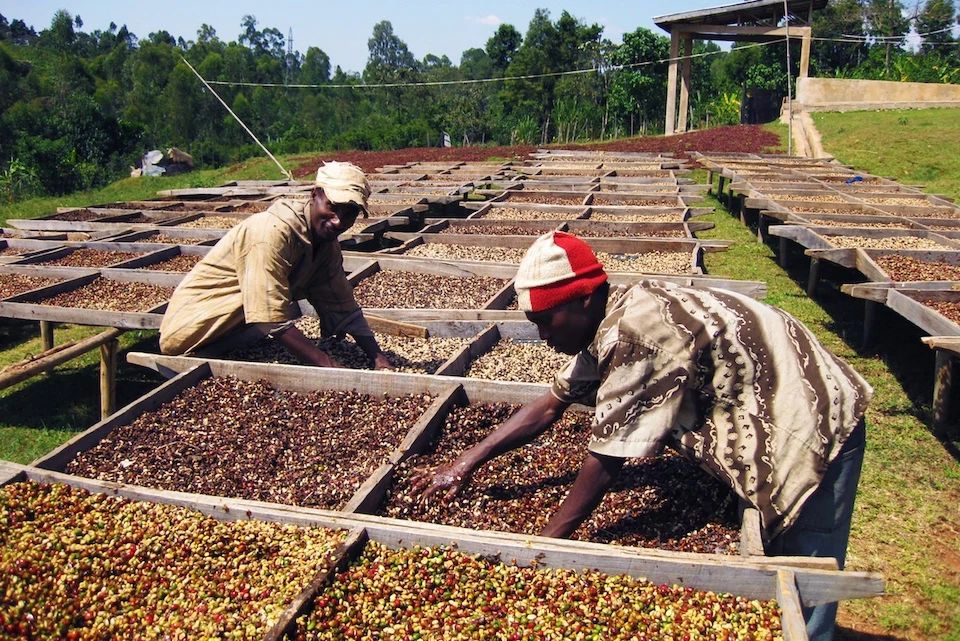
In terms of processing methods, Yirgacheffe coffee mainly employs two approaches: washed and natural. Traditionally, Ethiopia favored the natural method, but due to relatively rudimentary techniques in the past—often involving spreading coffee cherries directly on the ground to dry—it frequently resulted in contamination and inconsistent flavors. In 1972, the Ethiopian government introduced washed coffee technology and equipment from South America, significantly improving the quality of washed Yirgacheffe. Not only did it reduce defect rates, but it also highlighted a cleaner citrus profile and elegant white floral notes, making it a great entry point for many beginners exploring Yirgacheffe.
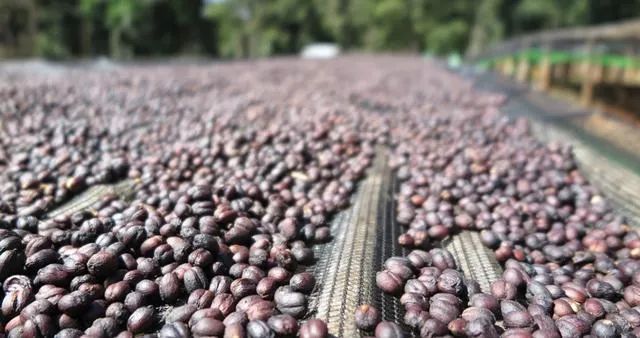
In contrast, the natural processing method, with advancements in technique, can also showcase rich and layered tropical fruit flavors. During the natural process, coffee cherries are left to dry in the sun for extended periods, requiring constant turning to ensure even drying. A brand’s “Red Cherry” is a representative example of a natural-processed Yirgacheffe, delivering mature fruit aromas, honey-like sweetness, and an black-tea-like finish, with notable sweetness and a long-lasting aftertaste.
The varieties grown in Yirgacheffe are mostly “local native varieties (Heirloom).” These so-called native varieties refer to the numerous coffee types that have naturally evolved in Ethiopia’s original forests. Due to their extremely high genetic diversity and the difficulty in identification, the government does not publicly categorize specific varieties, collectively referring to them as native or Heirloom. The beans produced by these coffee trees are generally smaller, usually around 14–15 mesh size, slightly irregular in shape but rounded in appearance. They form one of the foundations of Yirgacheffe’s unique flavor.
In terms of roasting and brewing, a certain brand, considering the characteristics of Yirgacheffe, opts mainly for medium-light roasting to preserve its bright acidity and fruity-floral profile. The washed version from the Kodomo Cooperative is typically lightly roasted, emphasizing fresh citrus and white floral tones, while the natural Red Cherry is medium-light roasted to bring out the rich layers of berry, honey, and black tea. For brewing, a V60 filter is recommended, leveraging its excellent ventilation design to help release aromatic acids.
In practice, it’s recommended to set the coffee-to-water ratio between 1:15 and 1:16, adjusting according to personal taste preferences; use about 15 grams of coffee, ground to a medium-fine level (approximately 78% passing through a #20 sieve), with water temperature controlled at 92–93°C. A three-stage pouring method allows for more stable extraction of flavors across different temperatures: begin with a bloom using twice the coffee’s weight in water for 30 seconds, then pour in a small, steady circular motion from the center outward until reaching 125 grams for the first pour. Once the coffee bed descends, continue pouring up to 225 grams to complete the extraction, with a total brew time of about 2 minutes. This approach fully highlights the multi-layered flavor transitions of Yirgacheffe from high to low temperatures.
In summary, Yirgacheffe is not only a symbol of Ethiopia’s specialty coffee but also an excellent starting point for global coffee lovers to explore flavor intricacies. Whether you prefer the bright citrus and white florals of washed processing or the rich fruitiness and sweetness of natural processing, this high-altitude wetland coffee is sure to surprise you. By understanding the region, processing methods, varieties, and brewing techniques, you’ll be able to better appreciate the unique charm of this classic bean.
The above content is compiled by CoffeeHunters, a coffee news website.


