







Introduction:With its refreshing and low-acid taste, cold brew has become a popular choice in the summer. However, the coffee-to-water ratio ranges from 1:8 to 1:15, with supporters for each. How exactly do different ratios affect flavor? This article compares four common coffee-to-water ratios using real test data, delving into the key elements of cold brew such as extraction logic, grind size, water quality, and time control to help you find the most suitable brewing method based on your taste preference.
Cold brew, with its unique refreshing taste and simple preparation process, has long been a top contender among summer coffee beverages. However, many first-timers are often confused about choosing the right coffee-to-water ratio—from the high-concentration 1:8 ratio to the ultra-light 1:15, which ratio best brings out the ideal flavor? In this test, we used Kenya · Little Tomato as the sample and practically tested the performance of cold brew at four different ratios: 1:8, 1:10, 1:12, and 1:15. We also included practical details on grind size, water quality, and time to help you master the core techniques of cold brew.
As the name suggests, cold brew is an extraction method where coffee grounds are steeped in water at a low temperature for an extended period. Compared to hot water, cold water extracts acidic compounds and aromatic molecules from coffee more gently, often resulting in a balanced sweet and sour profile with a smooth mouthfeel. Additionally, cold brew doesn’t require specialized equipment—just coffee grounds, cold water, and a sealed container. After refrigerating for several hours, you can enjoy a hand-brewed cup of coffee, making it highly suitable for home brewing.
It’s worth noting that the range of coffee-to-water ratios for cold brew is much wider than that for pour over. The typical pour over ratio is around 1:15, while cold brew can vary between 1:8 and 1:15. Different ratios not only affect strength but also directly influence the layers of flavor and the richness of the mouthfeel. What specific changes do these ratio differences bring? Let’s break them down one by one.
First, understanding the basic principle of coffee-to-water ratio is crucial. In the cold brew process, the higher the proportion of water, the lower the overall concentration of the coffee liquid, resulting in a thinner mouthfeel and lighter flavor. Conversely, a higher proportion of coffee grounds increases flavor intensity but also risks over-extraction, leading to a heavy or even off-flavored taste. Therefore, choosing a coffee-to-water ratio that suits your taste is the first step in adjusting the flavor of your cold brew.
Besides the coffee-to-water ratio, other parameters should not be overlooked. First is the grind size—cold brew is recommended to use a coarser grind, similar to the texture of white sugar, typically corresponding to about 80% to 85% passing through an 0.85mm sieve, or roughly 80% through a Chinese standard No. 20 sieve. This coarseness helps reduce the risk of over-extraction and prevents unpleasant sediment or grittiness in the coffee liquid.
Steeping time is also a key factor, generally recommended to be controlled between 6 to 16 hours. Too short a time, and the flavors haven’t fully extracted; too long, and over-extraction can occur, bringing bitterness or a cardboard-like taste. Most home brewers find that 8 to 12 hours achieves a good balance, especially when refrigerated, which helps stabilize extraction efficiency.
Water quality is often overlooked, but its impact is absolutely not negligible. The mineral content and pH level of different water sources can subtly alter the final expression of the coffee. If your tap water has a lot of impurities or a strong odor, it is recommended to use filtered water or bottled purified water to help highlight the inherent flavor characteristics of the coffee and avoid interference from the water itself.
As for the choice of coffee beans, this test used Kenya · Little Tomato as an example. This bean is processed using the K72 washed method, with varieties SL28 and SL34—both classic Kenyan heirlooms known for their bright acidity and complex layers. SL28 has a rich berry tone, while SL34 exhibits a softer acidity and sweetness. It’s especially suitable for cold brew when served chilled.
We actually tested four common coffee-to-water ratios: 1:8, 1:10, 1:12, and 1:15. Fixed conditions included using 18 grams of coffee grounds, a grind size similar to white sugar (approximately 80% passing through a No. 20 sieve, or EK43s setting 9.5), and 6 hours of refrigerated steeping. The only variable was the amount of water. 1:8 corresponds to 144 milliliters, 1:10 to 180 milliliters, 1:12 to 216 milliliters, and 1:15 to 270 milliliters.
The results showed that the 1:8 coffee liquid had the darkest color, with a strong and acidic taste, slightly salty, and flavors concentrated on berries, with a slightly bitter aftertaste. The 1:10 performed more balanced, with a hint of sugarcane aroma, prominent red plum and berry flavors, though with less noticeable sweetness. The 1:12 demonstrated the best balance, with layered aftertastes of little tomato, dark plum, sugarcane, and plum candy, featuring moderate acidity and sweetness, and was considered the most likable flavor combination. As for 1:15, although it had a light and smooth mouthfeel, the overall flavor was relatively thin and lacked complexity.
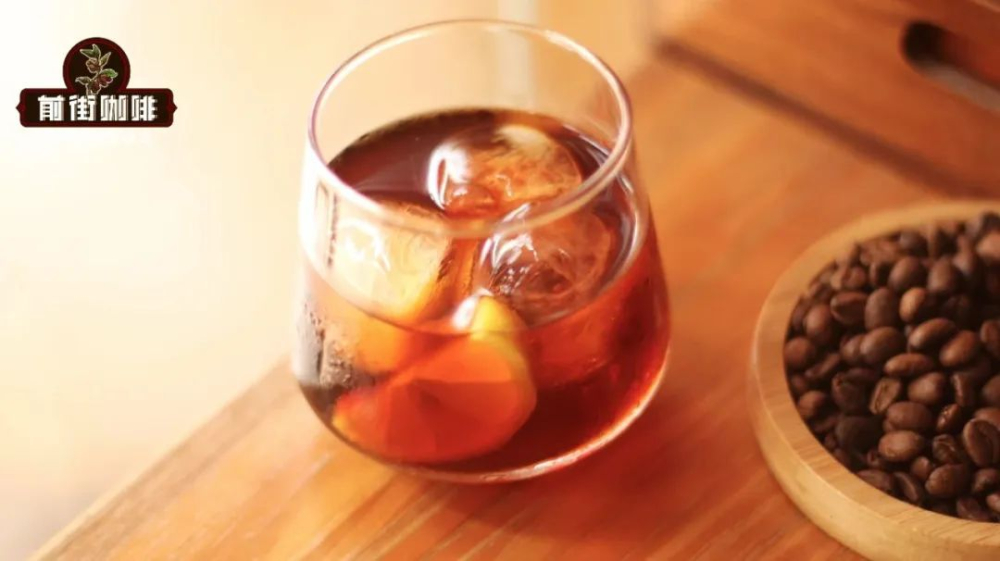
Overall, the 1:12 ratio performed excellently in both flavor and mouthfeel, but many baristas still recommend 1:10 as the standard base ratio, because it is suitable for subsequent adjustments. For example, when serving customers, adding 1 to 2 ice cubes not only maintains a low temperature but also allows for personal taste adjustments—once the ice melts, the coffee shifts from intense to refreshing, suiting different preferences. If you’re brewing at home, you can also flexibly choose a ratio based on your own taste and adjust the flavor through the iced drink format.
In summary, the charm of cold brew lies in its diversity and accessibility. By mastering the core elements of coffee-to-water ratio, grind size, water quality, and time, you can easily brew your ideal flavor. Why not start with 1:10 and gradually fine-tune according to your actual taste to find your perfect cold brew formula?
The above content is compiled by CoffeeHunters, a coffee news website.


