







Introduction:For those who are just starting to explore pour over coffee, it’s easy to feel lost when faced with a wide variety of filter dripper styles and brewing techniques. This article will help you master the core elements of pour over, including the basic settings for water temperature, grind size, and brew ratio, while also analyzing three common beginner mistakes: overly imitating competition techniques, choosing the wrong dripper, and neglecting the importance of precise parameters. In addition, we’ll provide some practical operational tips to help you build the right pour over mindset from the very beginning.
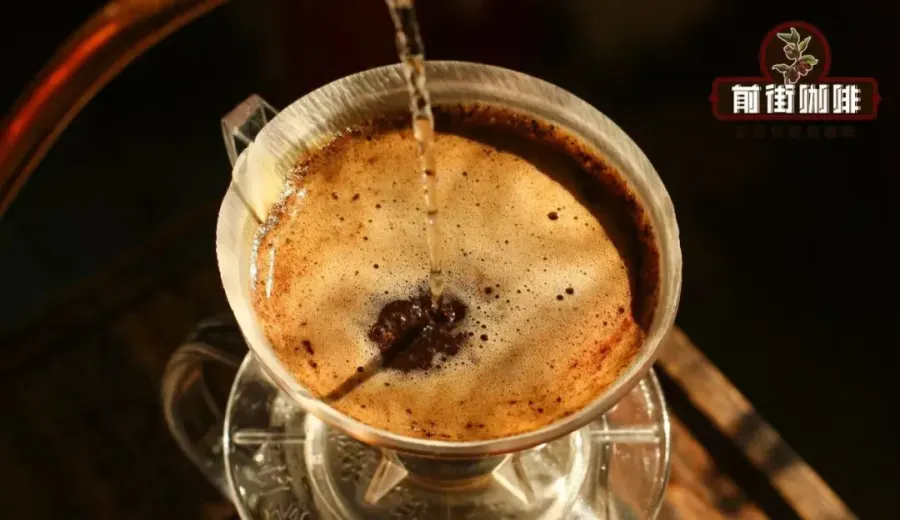
The reason why pour over coffee is loved by many coffee enthusiasts is that it is relatively simple yet full of variation. However, many beginners, when first starting out, can be easily attracted by flashy brewing techniques and a wide array of drippers, ending up spending a lot of money without ever achieving an ideal cup of coffee. In fact, the core of pour over isn’t complicated. As long as you grasp the three basics—water temperature, grind size, and brew ratio—and maintain a stable circular pouring technique, you can consistently brew a well-balanced cup.
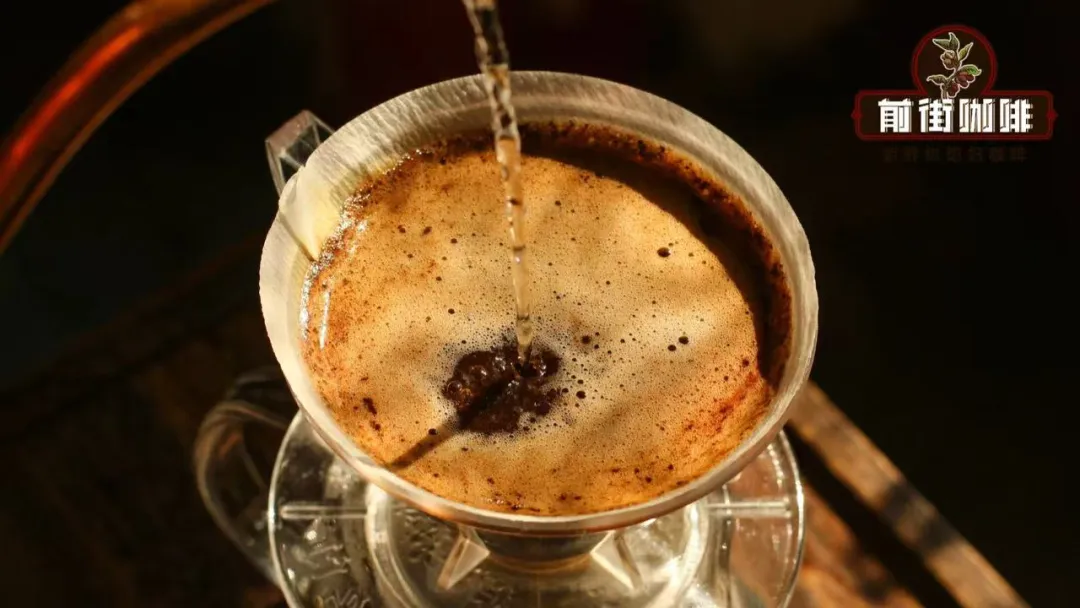
The original intention behind the creation of pour over was to make coffee brewing more accessible and easier to learn. However, as coffee culture has evolved, many have started to pursue a more refined brewing process, which has instead led to more confusion and misconceptions among beginners. The most common ones include imitating the complex techniques used by professional competitors, following trends to buy uniquely designed drippers, and adjusting parameters based on intuition rather than using essential tools like a scale or thermometer—resulting in inconsistent brews each time.
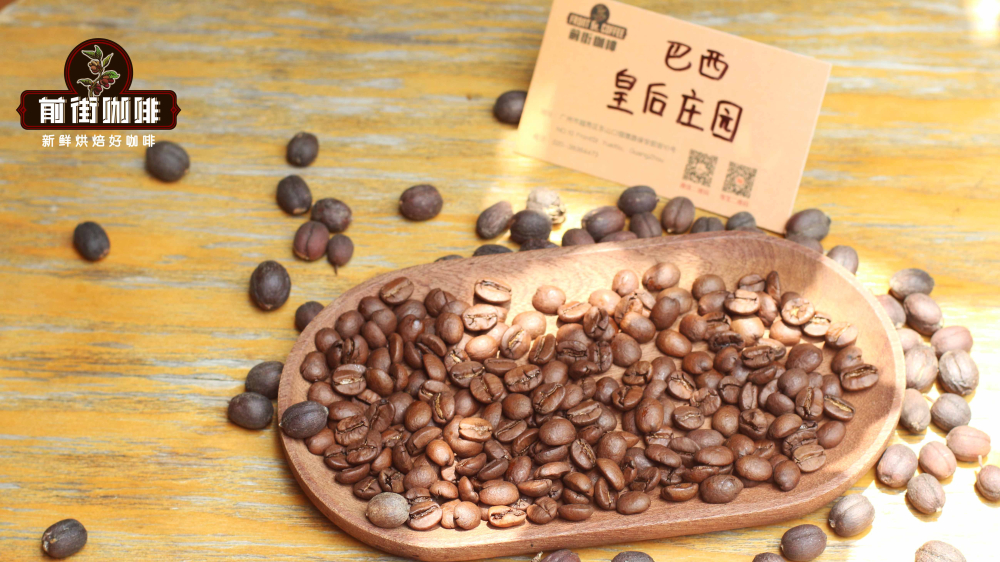
To brew a pour over coffee with clear and distinct flavors, choosing the right coffee beans is the first step. For beginners, it’s recommended to start with good value-for-money everyday beans. These not only easily showcase fundamental flavors but also help you understand how different processing methods and roast levels affect taste. For example, Ethiopian Yirgacheffe Gedi Dingding or Hambela Konga, known for their prominent fruity acidity, or Kenya’s small tomatoes with a balance of acidity and sweetness, are great entry-level choices. If you prefer a low-acidity and fuller-bodied taste, you might opt for medium-dark roasted PWN Golden Mandheling or Brazil Queen Estate, which offer rich notes of nuts and caramel.
A common mistake is for beginners to rush to imitate the elaborate techniques used by professional competitors in competitions without fully understanding the principles of extraction. While brewing techniques do influence the final flavor, they are not the sole determinant of a good cup of coffee. Regardless of the method used, the fundamental principle is allowing the right amount of hot water to pass through a bed of uniformly sized coffee grounds within an appropriate time frame to extract the desired flavor compounds.
By observing professional competitors’ brewing processes, you’ll notice that their techniques are often tailored to the specific characteristics of the beans being used at the time—such as adjusting pour speed, altering water flow intensity, or using a particular pouring pattern—all aimed at highlighting the unique flavors of that particular batch. Therefore, beginners don’t need to obsess over copying specific movements. Instead, they should understand the reasoning behind them and then adjust strategies based on the characteristics of their own beans in order to truly improve.
Another common issue is the choice of dripper. There are many types of drippers on the market—some emphasize fast filtration, others focus on even extraction, and some are designed to reduce channeling effects. Many beginners, upon hearing that a certain dripper offers “excellent flavor performance,” rush to buy it, only to find that it doesn’t perform as expected and end up blaming the dripper itself.
In reality, whether it’s the classic V60 or flat-bottomed cone drippers, each has its own design advantages and limitations. Take the V60, for example—its 60-degree conical structure directs water flow toward the center, prolonging the contact time between water and coffee grounds. Paired with large-pored filter paper, it allows users to adjust extraction flavors by controlling pour speed. On the other hand, flat-bottomed cone drippers distribute the coffee bed more evenly due to their flat base, resulting in faster water flow, making them suitable for those who prefer a lighter and more balanced brew. The key lies in understanding the characteristics of each dripper rather than blindly chasing after a so-called “miracle dripper.”
Finally, many people take a casual attitude toward parameters during brewing, thinking things like “close enough on water temperature” or “I can just eyeball it, no need for a scale.” Yet, the stability and precision of pour over brewing often hinge on these seemingly minor details. For instance, if you plan to use 15 grams of coffee, 91°C water, and a 1:13 brew ratio, but your ground coffee actually weighs only 14.7 grams, yet you still pour according to the original parameters, the final concentration and extraction yield will both be affected—leading to a weak or unbalanced cup.
It’s recommended that beginners always use a scale to measure both coffee and water, and a thermometer to ensure accurate water temperature. This way, you can achieve consistent extraction results. Even small deviations in parameters can have a significant impact on the overall quality of your coffee in the long run. Mastering these fundamentals will set you on a smoother path in your pour over journey.
The above content is compiled by CoffeeHunters, a coffee news website.


