







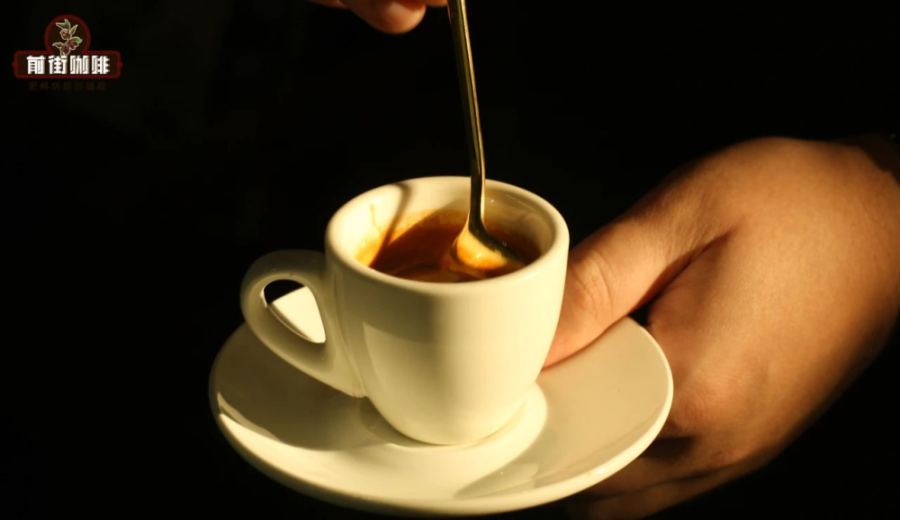
Introduction:From the rich intensity of espresso to the clean simplicity of Americano, and the delicate layers of pour over coffee, each brewing method has its own unique flavor profile and suitable scenario. This article delves into the historical background, brewing principles, and flavor characteristics of espresso, Americano, and pour over coffee, while also providing practical extraction parameters and operational tips to help you choose the most suitable coffee type based on your taste preferences.
Global coffee culture has evolved through multiple transformations over time, from instant coffee and espresso to specialty pour over. Different brewing methods not only reflect regional dietary habits and technological developments but also offer distinctly different taste experiences. Espresso emphasizes high-pressure rapid extraction, delivering a concentrated and intense expression of coffee's essence; Americano is created by diluting espresso with water, evolving into various variations; pour over coffee emphasizes precise control, showcasing the multi-layered flavors of the coffee beans themselves. This article will explore these three classic coffee types, analyzing their historical origins, technical features, and flavor expressions, and using practical examples to illustrate how parameter adjustments can highlight coffee characteristics.
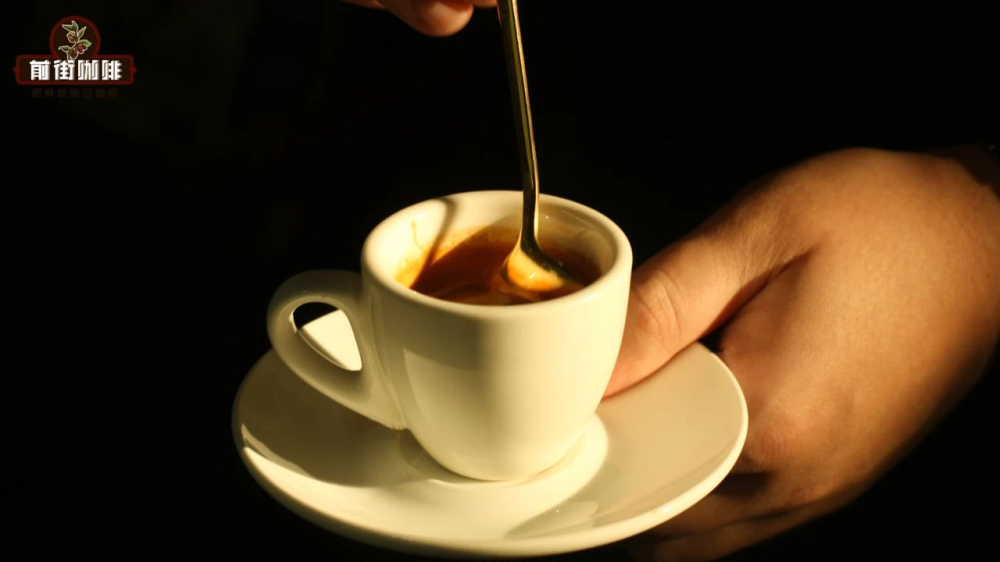
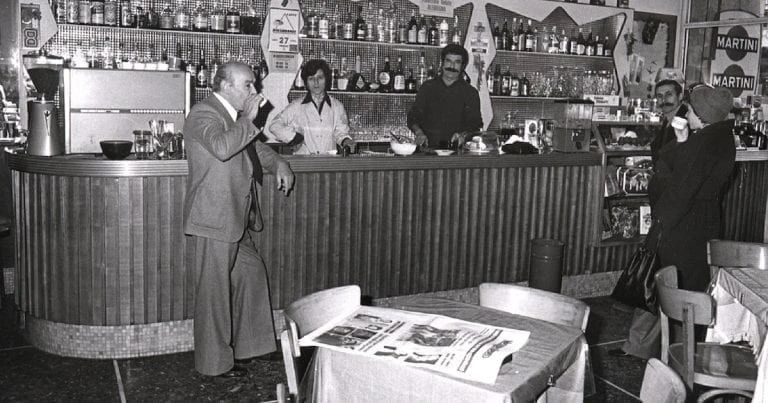
Looking back at nearly a century of coffee development, espresso can be considered a turning point in modern coffee culture. Since the advent of the espresso machine in the early 20th century, it has not only significantly improved coffee extraction efficiency but also shaped espresso as an iconic beverage. With the promotion of European and global chain brands, espresso gradually became a daily element of urban life and laid the foundation for subsequent variations such as latte and cappuccino. Today, whether in corner cafés or home kitchens, espresso remains the starting point for many people’s coffee experience.
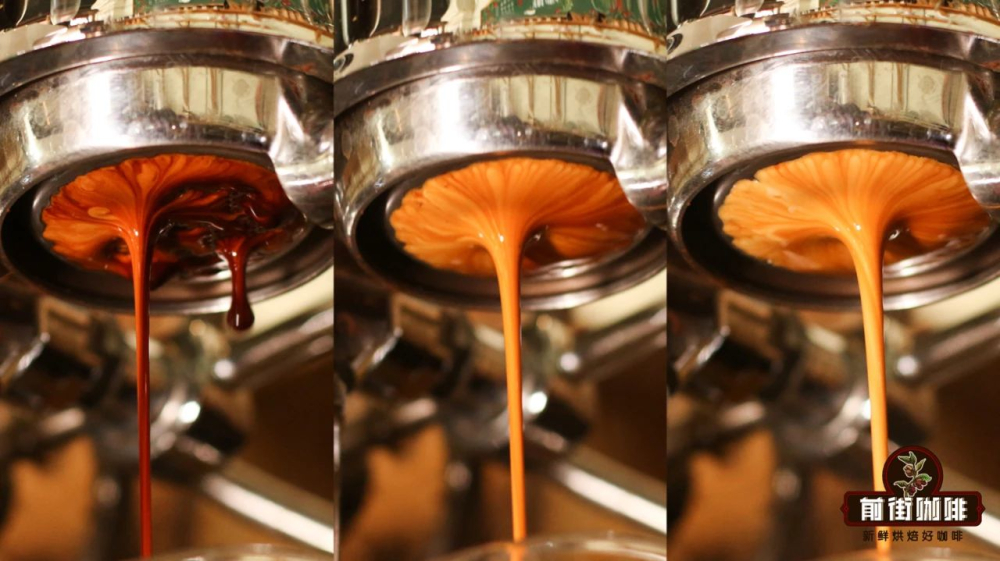
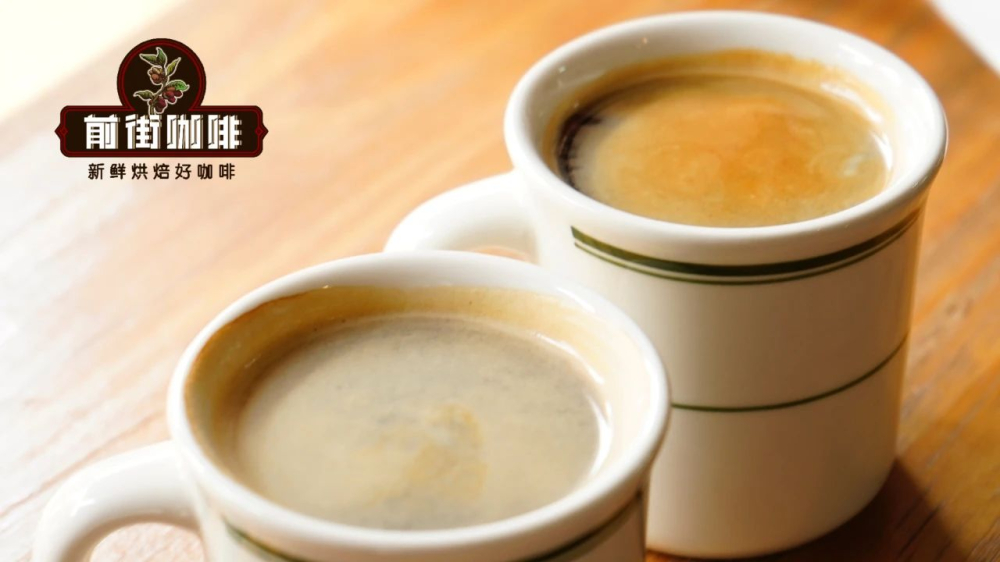
Espresso refers to the extraction of 30 to 60 milliliters of concentrated liquid under high pressure (about 9 bar) and high temperature (92 to 94°C) within 20 to 30 seconds. This process requires extremely finely ground and evenly tamped coffee grounds, and after brewing, a thick layer of coffee crema forms on the surface, with colors ranging from golden to deep brown depending on the roast level. Crema is not only a hallmark of espresso but also affects the overall richness of flavor and aroma release. Due to its intense taste, many people pair it with sugar or milk, leading to classic drinks like latte and cappuccino.
Interestingly, the well-known Americano did not originate in America but was created during World War II when American soldiers diluted espresso with hot water to soften its strong bitterness. This simple adjustment unexpectedly produced a more refreshing form of coffee. Within the espresso system, Americano can be divided into three common types: Americano, Long Black, and Lungo. Americano is made by pouring espresso into hot water, resulting in a larger cup size where the crema is easily disrupted, yielding a smoother taste; Long Black involves pouring hot water first and then adding espresso, helping preserve the crema and aftertaste; Lungo, on the other hand, does not add water but extends the extraction time to 30 to 60 seconds, producing about 60 milliliters of lower-concentration coffee with a relatively mellow yet not overly intense flavor.
With the rise of the third wave of coffee, consumers are no longer satisfied with single-flavor coffee but instead seek details such as bean variety, origin, and processing methods, making pour over coffee a popular trend. Pour over emphasizes precise control of water temperature, grind size, water flow rate, and pouring technique, gradually releasing coffee flavors through the three main stages of “bloom, dissolution, and diffusion.” First, a small amount of water is poured to bloom, awakening the coffee grounds and preserving volatile aromatic compounds; then, hot water dissolves hundreds of compounds including acidity, sweetness, and bitterness; finally, adjusting the pouring ratio and speed achieves an ideal extraction balance. This process heavily relies on technique and experience, where even slight differences can affect the overall flavor expression.
Taking the classic Indonesian Golden Mandheling as an example, this medium-dark roasted bean is often found on the selection lists of pour over enthusiasts. Its flavor profile is dominated by nuts, dark chocolate, roasted chestnuts, and spices, with a silky mouthfeel of caramel and cream upon entry, and a sweet, layered aftertaste. When brewing this bean, a Kono or cake dripper is chosen, utilizing its large flat design to extend water absorption time, ensuring more even extraction and highlighting a rich mouthfeel. It is recommended to use a water temperature of 87–88°C, a medium grind (approximately 70% passing through a #20 sieve), a 1:15 coffee-to-water ratio (15 grams of coffee to 225 milliliters of water), and a three-stage pouring method: the first stage 30 milliliters for blooming, the second stage 100 milliliters to bring out foam, and the final stage 95 milliliters with gentle center pouring, ensuring balanced flavor release.
Common mistakes when brewing pour over coffee include grinding too fine, leading to over-extraction, excessively high water temperature amplifying bitterness, or unstable pouring speed affecting extraction uniformity. Especially for beginners, it is recommended to start with a medium-coarse grind and slightly lower water temperature, gradually adjusting to personal taste preferences. Additionally, the choice of dripper affects flow rate and flavor structure—flat-bottom drippers are suitable for those seeking a rich mouthfeel, while cone-shaped drippers are beneficial for highlighting clear and bright acidity.
In summary, espresso, Americano, and pour over coffee each have their distinct characteristics. Whether you’re pursuing the intense purity of espresso, the clean balance of Americano, or the nuanced layers of pour over, each can meet different scenarios and taste preferences. Understanding these basic differences and technical essentials will help you find the perfect cup in the vast world of coffee.

The above content is compiled by CoffeeHunters, a coffee news website.


