








Introduction:Pour over coffee is an art of brewing that emphasizes precision. By carefully controlling water temperature, flow rate, and timing, it can fully showcase the unique flavor profiles of coffee beans from different regions. This article provides a detailed guide to the essential knowledge every beginner needs to know about pour over, including how to choose suitable coffee beans, six cost-effective daily brew recommendations, essential equipment selection advice, and key parameters that affect extraction flavor. Whether you want to elevate your daily coffee experience or share the joy of brewing with friends, this comprehensive guide offers practical reference.
The unique charm of pour over lies in the ability to manually control the speed and temperature of every drop of water, thereby bringing out the deep flavor characteristics of the coffee beans. Compared to machine brewing, manual extraction offers greater flexibility, allowing you to adjust techniques based on the traits of different beans. Whether you prefer the bright acidity of Yirgacheffe, the balanced body of Costa Rica, or the smooth texture of Brazilian beans, subtle adjustments to parameters can help you achieve your desired flavor.
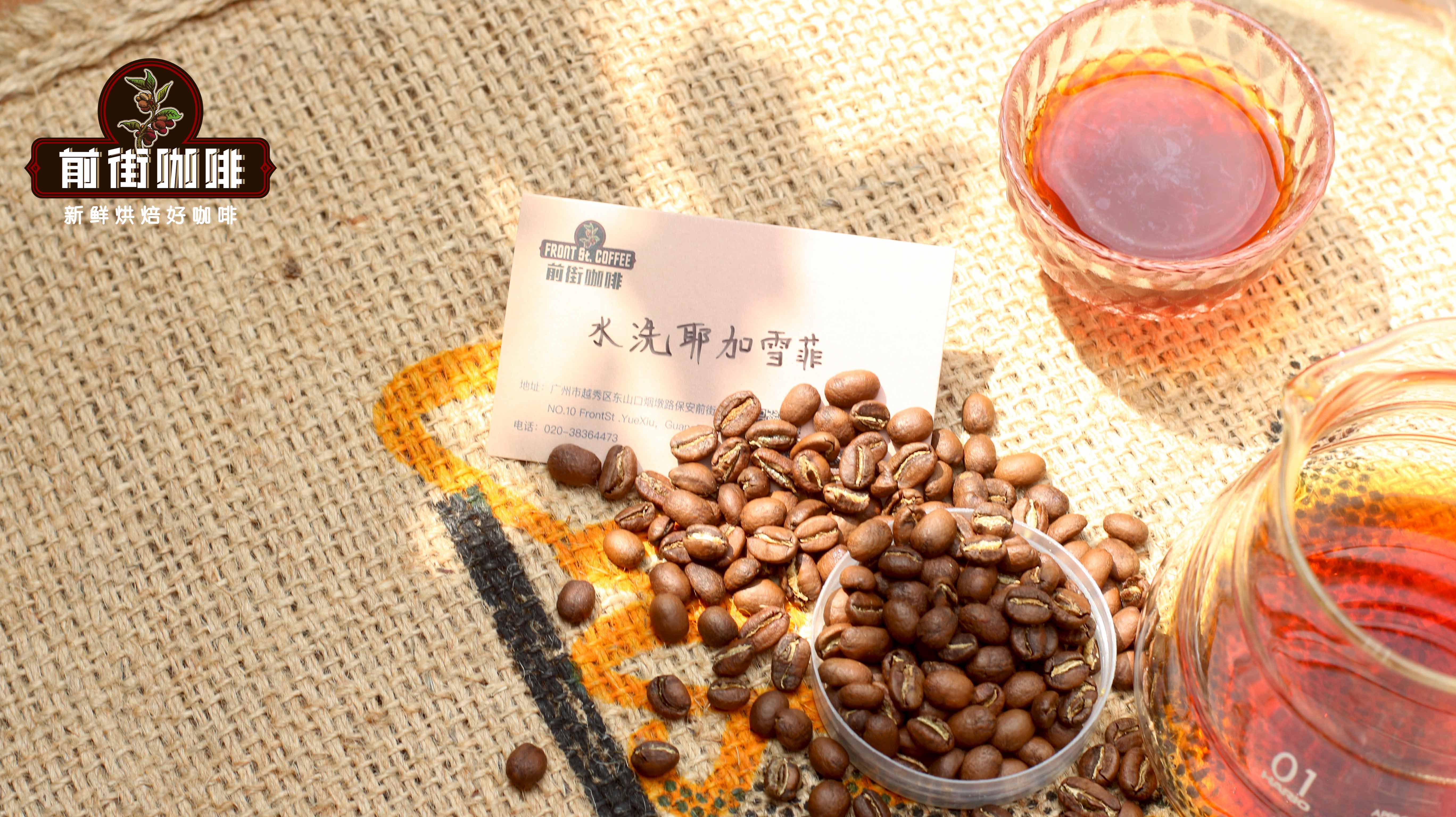
The principle of pour over is actually quite similar to that of gongfu tea — different teas require different water temperatures, teaware, and steeping times, and the same goes for coffee. Through pour over techniques, you can personally craft a cup of coffee tailored to your taste, further experiencing the entire journey from bean to cup. Not only does it elevate the quality of your everyday drink, but it also allows you to showcase your taste when hosting guests, easily sparking conversations and expanding your social circle.
If you’re new to pour over, there’s no need to overcomplicate things. By mastering the basic elements and process, you can brew coffee with your own personal touch. The first priority is choosing the type of coffee beans that suit you. For beginners, it’s recommended to start with several classic and cost-effective single-origin beans, including Mandheling from Indonesia, Yirgacheffe from Ethiopia, Tarrazú from Costa Rica, Huila from Colombia, small-seed variety from Yunnan, and Cerrado from Brazil. These beans each have distinct regional characteristics, helping you quickly develop your ability to discern flavors.
Next is preparing the basic brewing equipment. Although there’s a wide array of pour over gear on the market, beginners don’t need to buy too many tools at the start. It’s recommended to prioritize the following core items: for a grinder, choose a “burr grinder.” While higher price doesn’t always mean better performance, uniform grind size is crucial to ensure smooth water flow and consistent flavor during extraction; an electronic scale is key to controlling extraction yield, and it’s advisable to use one that can measure accurately to 0.1 gram, making it easier to record and replicate each brew setup; a pour over kettle with a narrow spout is preferable, as it helps more flexibly control water flow and pouring speed, and can even influence how the coffee grounds are agitated; filter cones vary in material, shape, and drainage hole design, but as long as you understand the basic extraction principles, any style can perform well.
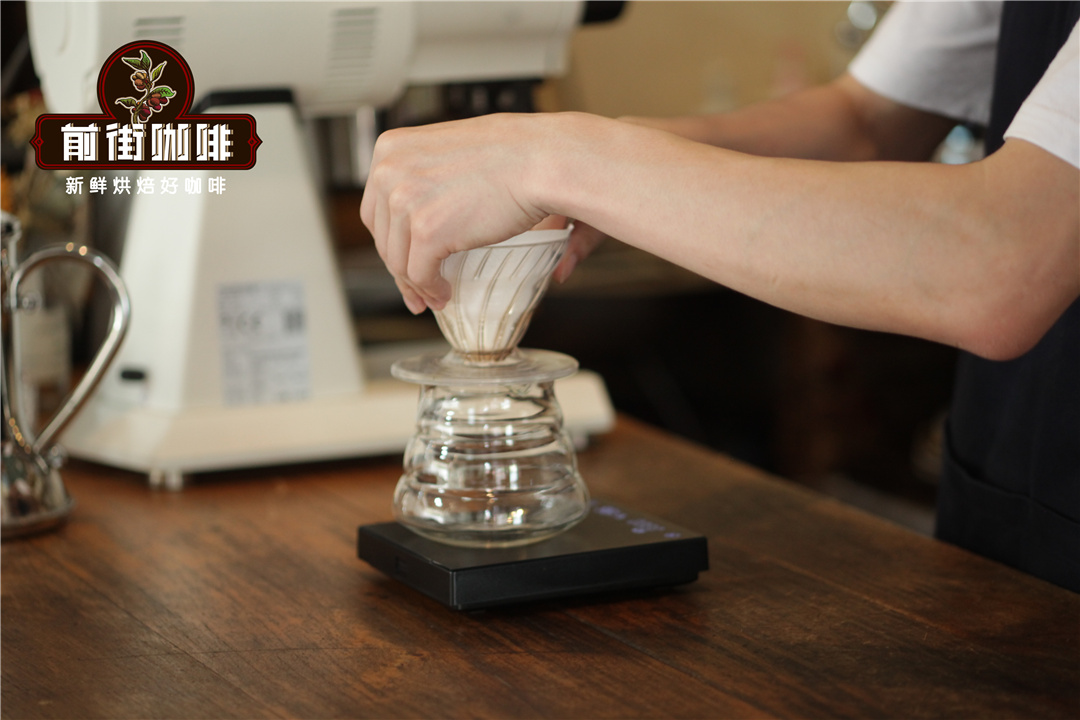
In terms of filter materials, common choices include cloth, paper, and metal. For beginners, paper filters are most recommended. Aside from their convenience as a single-use option, they effectively filter out coffee grounds and some oils, resulting in a cleaner taste. Cloth filters can retain more oils but are more cumbersome to clean and maintain; metal filters allow more fine particles to pass through, which can affect the purity of the flavor.
In actual practice, water temperature, flow rate, and time are the three most critical variables affecting flavor. Generally speaking, medium to light roasted coffee beans are recommended to be brewed at 90°C to 93°C, while medium to dark roasts can be slightly lowered to around 88°C to avoid over-extraction and bitterness. Beginners can start with a 1:15 coffee-to-water ratio — that is, using 15 milliliters of water per 1 gram of coffee grounds — and then adjust according to personal taste preferences.
Additionally, the pouring technique during brewing is extremely important. It’s recommended to use a pulse pouring method: first wet the coffee grounds for a bloom, then steadily pour in a spiral or outward-from-center pattern. This helps achieve even extraction. Controlling the time and speed of each pour allows for more precise management of strength and layering.
In summary, the learning curve for pour over isn’t steep. As long as you follow the correct steps, choose suitable equipment and parameters, and continuously experiment and adjust, even beginners can gradually brew coffee that matches their personal flavor preferences. Why not start with the six daily brew beans recommended in this article, paired with stable equipment settings, to experience the unique tastes brought by different regions and enjoy the pleasure and sense of accomplishment of hand-brewed coffee?
The above content is compiled by CoffeeHunters, a coffee news website.


