







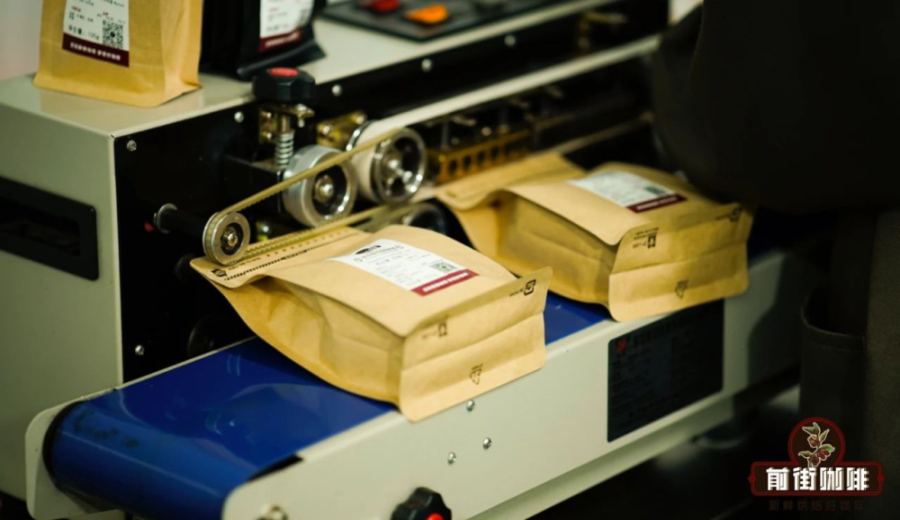
Introduction:For beginners who are new to pour over coffee or specialty coffee, it’s common to have questions about how to store coffee beans, especially after grinding — such as how to handle the degassing valve or whether aging is necessary. This article delves into the preservation principles of freshly roasted coffee beans and freshly ground coffee powder, covering the function of the degassing valve, the necessity of aging, the difference between shelf life and best-before period, as well as the most suitable storage methods. It will help you master the correct storage techniques and enjoy a cup of richly flavored coffee at its optimal flavor window.
Many people who have just started exploring pour over coffee often wonder about the degassing holes on coffee packaging: since they’re designed to release carbon dioxide, why should you seal them after grinding? This actually touches on a key principle in preserving coffee flavor. Whole coffee beans release carbon dioxide at a relatively slow rate, but once ground, the loss of flavor and aroma accelerates dramatically. This article will analyze in detail — from the function of the degassing valve, the necessity of aging, the differences between shelf life and best-before period, to the best ways to store coffee beans and coffee powder — helping you understand how to enjoy coffee at its peak flavor within the optimal time frame.
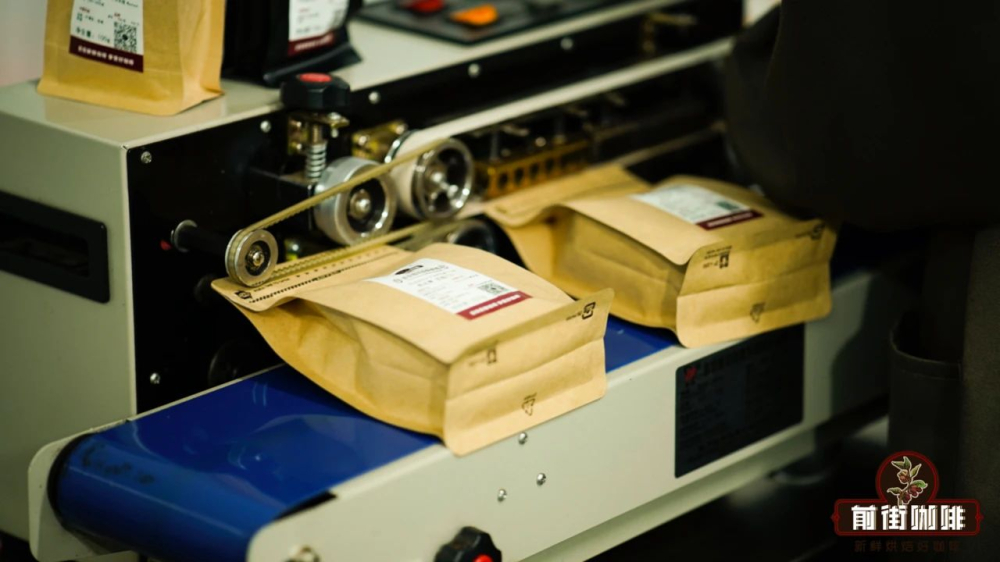
A reader once asked: “Why should you seal the degassing hole after grinding coffee? Doesn’t that stop the carbon dioxide from escaping?” This is actually a common misunderstanding. In fact, the small hole on the coffee package is a so-called one-way degassing valve. Its primary function is to allow the carbon dioxide produced inside the coffee beans after roasting to be released, preventing high internal pressure from causing the packaging to burst, while also blocking external air from entering to slow down oxidation. However, although this design allows carbon dioxide to escape, it may also lead to the loss of precious aromatic compounds.
So why is it recommended to seal the degassing hole after grinding coffee? The reason is simple: to lock in the flavor. In whole coffee beans, the release of carbon dioxide and aromatic components is relatively slow, but once ground, these substances rapidly diffuse into the air, leading to a quick loss of flavor. Therefore, once coffee is ground, it should be sealed immediately, and it’s best to close the degassing hole as well, to minimize aroma loss.
Many beginners also ask: Do you still need to age freshly roasted coffee beans after grinding them into powder? The answer is no. The main purpose of aging is to allow the coffee beans to release some of the carbon dioxide produced during the first few days after roasting. This helps eliminate the “harshness” right after roasting, making the flavor smoother, and also reduces the interference of carbon dioxide with water flow during extraction. However, during the grinding process, these gases have already been rapidly released, and the natural pressure inside the packaging during transport or storage will naturally mellow the flavor. Therefore, you can use the coffee powder immediately upon receipt, without needing an additional aging period.
Next, let’s talk about the shelf life and best-before period of freshly roasted coffee beans and coffee powder. Generally speaking, if stored properly, freshly roasted coffee beans can maintain their quality for up to one year. However, their aroma and flavor compounds gradually diminish over time and with gas emission, so the actual best-before period is usually only 40 to 50 days. Once the coffee beans are ground into powder, the rate of aroma loss significantly increases. Based on practical experience, the best-before period for coffee powder is usually only within 20 days, with flavor deterioration occurring much faster than in whole coffee beans.
So how should coffee beans and coffee powder be stored correctly? First, whether it’s coffee beans or coffee powder, both should be kept away from direct sunlight, as high temperatures accelerate the volatilization of flavors and significantly shorten the best-before period. In addition, the storage environment should be kept dry, as moisture not only easily causes coffee to develop a musty taste, but may also affect health.
As for storage methods, it is recommended to continue keeping coffee beans in their original packaging and seal them tightly, as this preserves the protective effect of the packaging itself. But for coffee powder, it is better to switch to a fully airtight container, such as a sealed jar or a specialized coffee storage canister. This is because coffee powder oxidizes much faster than coffee beans, and if the original packaging isn’t completely sealed, the aroma can easily escape. Using a fully airtight container can preserve the flavor more effectively.
Finally, a reminder: although pre-ground coffee is more convenient to use, for the best flavor, it’s still recommended to grind coffee beans just before brewing. Additionally, it’s a good idea to buy in moderate amounts each time, finishing one pack before purchasing the next, ensuring that each brew delivers the freshest and richest flavor possible.
The above content is compiled by CoffeeHunters, a coffee news website.


