








Introduction:While acidity in coffee can add complexity, it can become a burden for those with sensitive stomachs or who prefer smoother flavors. Want to enjoy your coffee comfortably while still preserving its charm? This article delves into how to choose low-acid coffee beans by examining three key aspects: origin characteristics, roast levels, and brewing methods. It also explains the actual effects of dark roasting, cold brew, and decaffeination on reducing acidity, helping you find the perfect balance between acidity and flavor.
Acidity is one of the essential elements that make up coffee's flavor profile, giving the beverage a lively brightness and rich layers. However, for some people—especially those with more sensitive stomachs—excessive acidity may cause discomfort. If you’re looking for a coffee bean with a rounder taste and lower intensity, consider starting with key factors such as origin characteristics, roast level, and brewing method to gradually narrow down your choices and find your ideal beans.
It’s worth noting that the acidity of coffee doesn’t simply refer to its pH value but is considered one of the basic flavor dimensions alongside body, aroma, sweetness, bitterness, and aftertaste. High-quality acidity is often accompanied by sweetness and fruity notes, which can positively enhance the overall flavor. For example, bright and crisp citric acid, gentle malic acid, or syrupy tartaric acid can all elevate the complexity of the drink. However, if the acidity is too high or lacks balance, it can make the coffee taste sharp and thin.

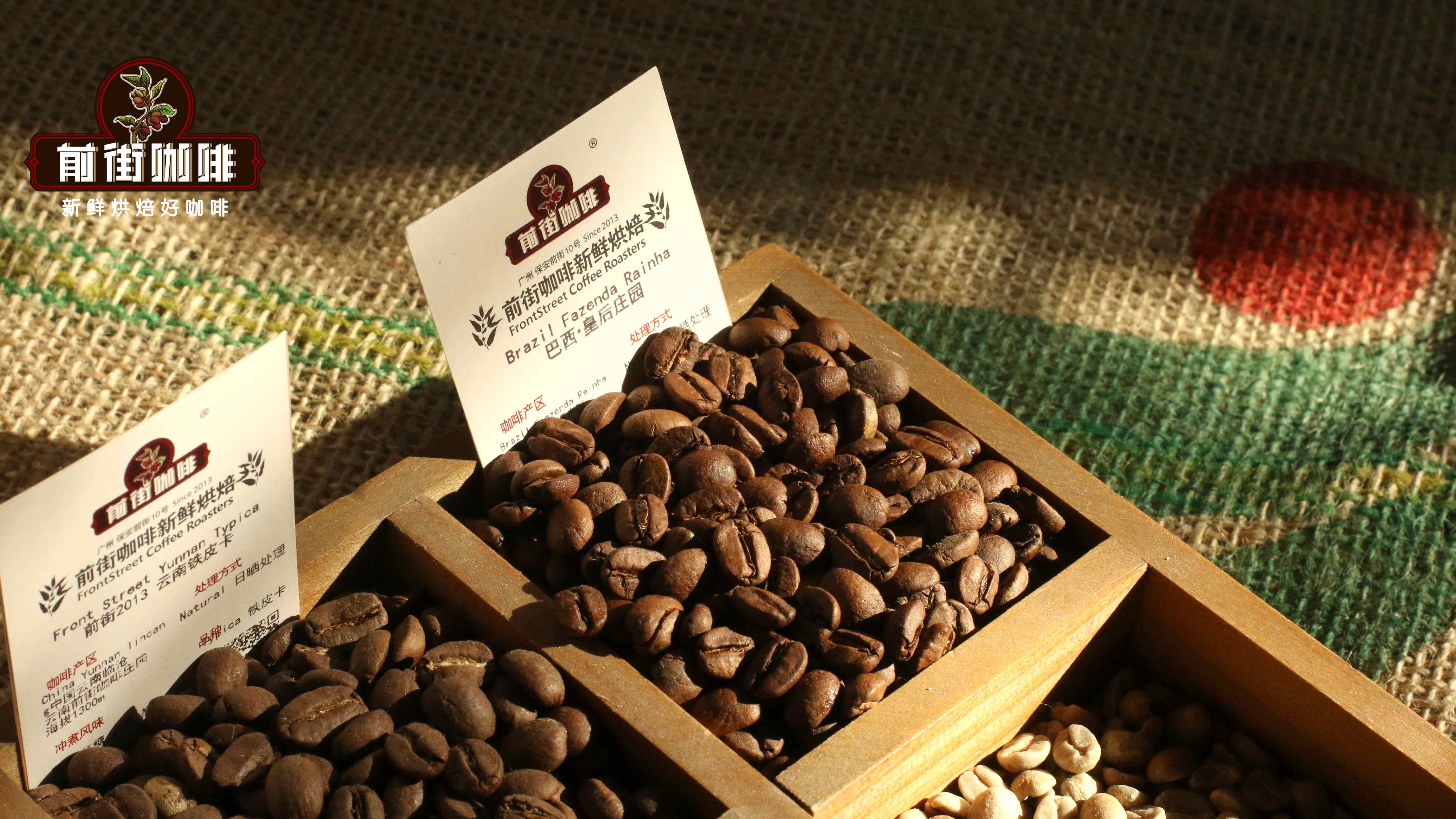
In terms of origin, certain regions in Asia and South America, due to differences in climate, soil, and processing methods, often produce coffee beans with naturally low acidity. For instance, beans from Brazil’s Queen Estate typically exhibit a creamy, smooth texture and nutty tones, offering a balanced cup with a sweet aftertaste reminiscent of sugarcane. Sumatra Mandheling, processed using the unique wet-hulling method, has a distinctly herbal and cedar-like aroma with very low acidity, resulting in a more robust and mellow flavor. Meanwhile, Colombia’s Huila region, with its high-altitude growing environment, allows the coffee to release rich notes of dark chocolate, caramel, and roasted hazelnuts when brewed, delivering soft and layered acidity.
Many people mistakenly believe that acidity is a sign of quality flaws. In fact, moderate acidity can highlight other positive attributes of coffee and bring brightness to its flavor. However, for those seeking a more comfortable drinking experience, low-acid coffee still holds irreplaceable value—especially when consumed in the morning or after meals, where a milder taste can reduce stomach irritation.
Roast level is one of the key factors influencing coffee acidity. The organic acids in coffee beans gradually break down as roasting time and temperature increase. Light roasts, with their shorter roasting duration, retain more organic acids, making the acidity relatively more pronounced. In contrast, dark roasts, subjected to high temperatures over longer periods, see most organic acids transformed or volatilized, naturally lowering the acidity. Additionally, research indicates that specific organic compounds linked to stomach discomfort—such as N-alkanoyl-5-hydroxytryptamides and catechols—are reduced during dark roasting. At the same time, compounds that help soothe the stomach—like N-methylpyridinium (NMP)—are found in higher proportions in dark-roasted beans. This is why many people sensitive to acidity prefer dark-roasted coffee.
 Cold brew is also an effective way to reduce acidity. Since the cold brew process takes place entirely in a low-temperature environment (usually at room temperature or refrigerated) and involves extended extraction times of several hours or even overnight, many acidic compounds that are only released at high temperatures fail to fully dissolve in the water. As a result, the final brew has significantly lower acidity compared to traditionally hot-brewed coffee. To further reduce acidity, it’s recommended to use dark-roasted beans for cold brew. Their naturally lower acidity, combined with the characteristics of low-temperature extraction, can create a smoother and more palatable drink.
For those who cannot tolerate any acidity at all or have extremely sensitive stomachs, decaffeinated (decaf) coffee is also a worthwhile option. The decaffeination process removes caffeine from the green beans and also takes away some of the naturally occurring acidic substances, further reducing the final coffee’s acidity. Whether using the Swiss Water Process, carbon dioxide method, or other solvent-based methods, although the primary goal is caffeine removal, these processes also affect the content of other compounds—including acidity. It’s important to note that while solvent-based methods have raised safety concerns in the past, the solvents used are completely vaporized during the high-temperature roasting process and do not remain in the final beverage. Consumers need not worry excessively.
In summary, there is no absolute standard for choosing low-acid coffee. The key lies in understanding how various factors influence the final flavor and adjusting based on personal preferences and physical reactions. Whether you’re a fan of bright, fruity light roasts or someone seeking a gentle and comfortable taste, mastering the combination of origin characteristics, roast depth, and brewing methods will help you find your ideal coffee experience.
The above content is compiled by CoffeeHunters, a coffee news website.


