








Introduction:The Moka pot is an essential starter tool for many coffee enthusiasts. Not only can it quickly produce richly flavored coffee, but it also carries a strong Italian coffee culture background. This article starts with the history and working principle of the Moka pot, then step-by-step explains the standard operation procedure and common issues, while also providing practical parameters such as coffee-to-water ratio, grind size, and brewing flavor, helping you go from a beginner to consistently brewing a pot of aromatic coffee.
Among the many coffee brewing devices, the Moka pot has long been favored by coffee lovers worldwide for its classic design and bold flavor. However, many first-time users often encounter issues such as "no coffee coming out," "excessive flow causing splattering," or "coffee tasting overly bitter." This article will delve into the historical background and operating principles of the Moka pot, and offer a detailed brewing process and solutions to common problems to help you complete each extraction more smoothly.

When it comes to coffee, it's not hard to find that espresso and pour over are the two most commonly compared mainstream methods. Espresso emphasizes intensity and crema, while pour over focuses on cleanliness and layering, each with its own supporters. But focusing solely on one might cause you to miss out on a classic tool like the Moka pot that combines tradition and practicality. The Moka pot is not just a coffee brewing device, but also an important witness to the evolution of Italian coffee culture, and it remains widely used around the world to this day.
The Moka pot was invented in 1933 by Italian designer Alfonso Bialetti, with the original goal of allowing people to easily brew espresso at home that closely resembles the flavor produced by espresso machines. This kettle quickly spread across Europe and Central and South America, and was even given as a gift to family and friends, symbolizing taste and culture. Although its name is similar to "Mocha coffee," it is actually a device that uses pressurized extraction to brew coffee, and has no direct connection to the Port of Mocha. However, it is precisely because of this interesting misunderstanding that the Moka pot gains an extra layer of romance and becomes a classic collectible for many households.

The Moka pot mainly consists of three parts: the lower chamber, the middle coffee basket, and the upper chamber. When using it, first pour hot water into the lower chamber, with the water level recommended not to exceed the safety valve, usually controlled at about 50-60 ml. Next, fill the coffee basket with finely ground coffee, about the coarseness of sea salt (approximately 10-20 grams), gently level the surface, then place the basket into the lower chamber, and finally assemble the upper chamber. By heating with a gas flame or induction cooker, the water in the lower chamber heats up, generating steam pressure that pushes the water through the coffee grounds, ultimately extracting a rich coffee liquid in the upper chamber.
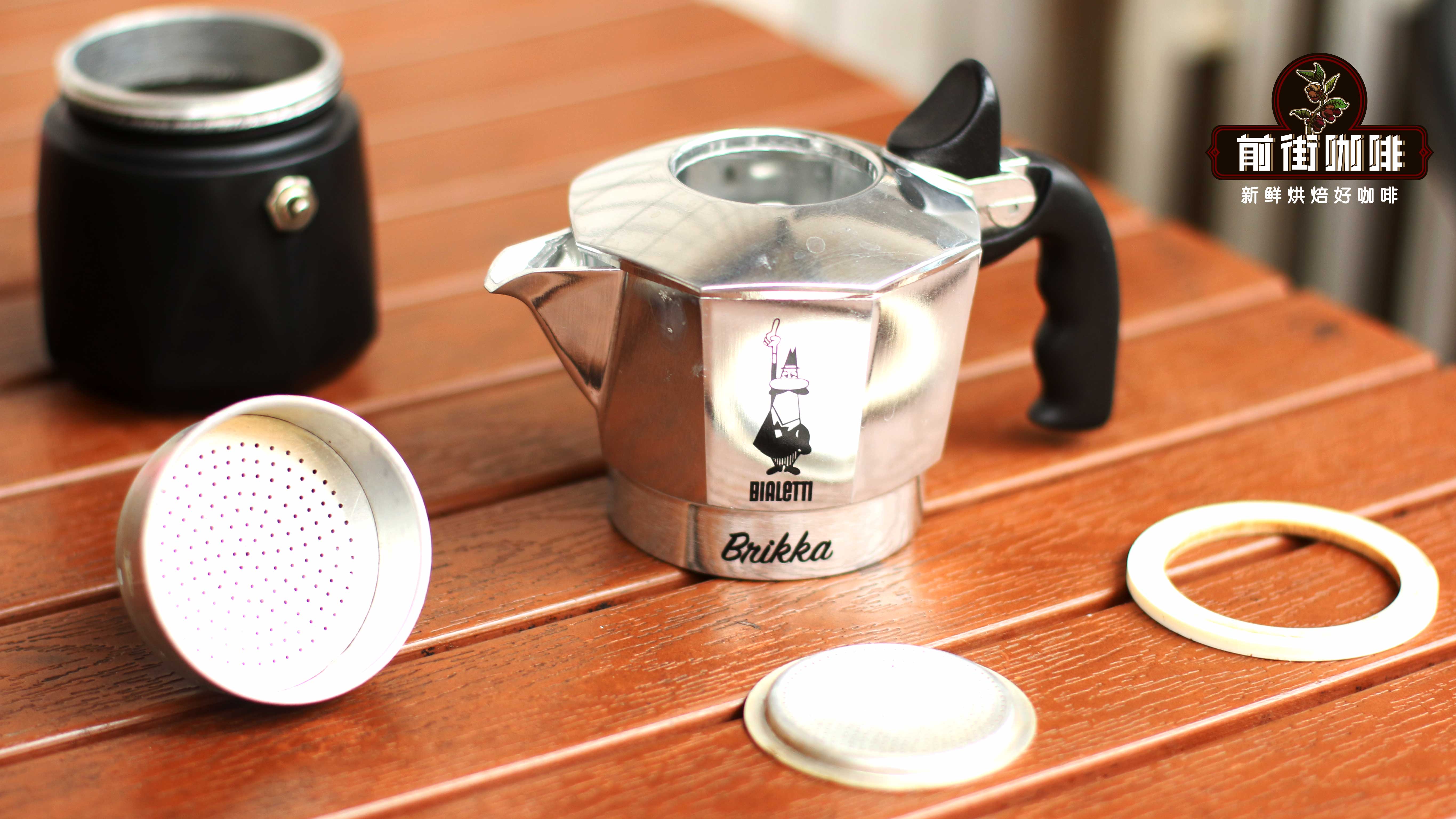
It’s worth noting that some advanced Moka pots feature a dual-valve design, such as the Brikka pot, which can further increase pressure and extraction efficiency during brewing. However, this pressurized design can also lead to over-extraction of dark roasted beans, resulting in excessively bitter and astringent flavors, so it is recommended to adjust the operation method according to the roast level of the beans.
When it comes to coffee bean selection, the Moka pot works well with both single-origin and blended beans—as long as you master the grind size and coffee-to-water ratio, different flavor characteristics can be highlighted. For example, choosing Brazilian beans with creamy and nutty notes, or strongly flavored Indonesian Mandheling, can bring a rich sensory experience. If you prefer a more balanced flavor, you can also opt for Italian-style blends with prominent chocolate notes, suitable for both home and commercial use.
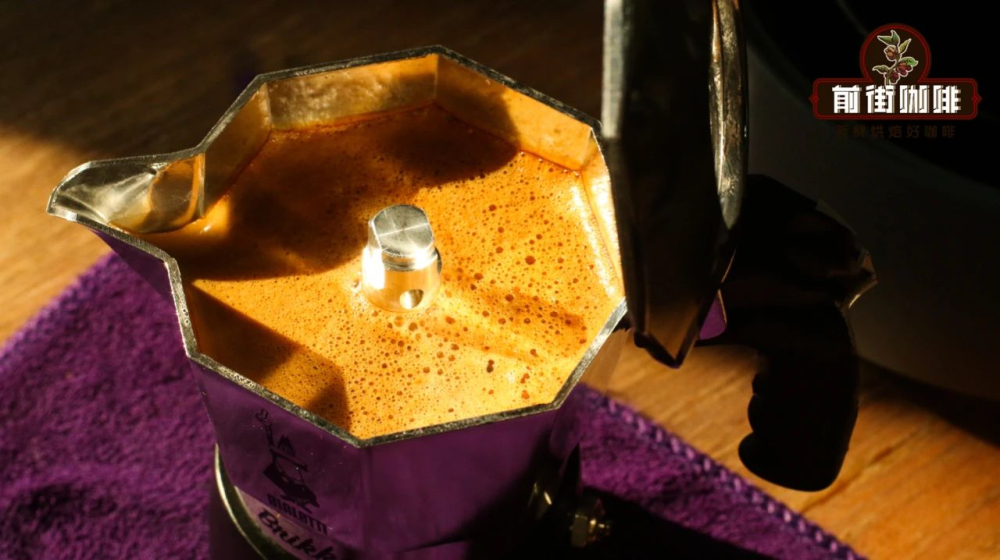
In actual operation, when the Moka pot is placed on the stove and heated, pay attention to the sound changes as the water boils. When you hear the coffee begin to flow out accompanied by a slight hissing sound, it indicates that the extraction is nearing its end, and you should immediately remove the heat source to stop heating. Over-extraction will not only make the coffee bitter but may also affect the overall flavor balance.
When dealing with common issues, if you find that no coffee is coming out of the upper chamber but you hear a "hissing" steam sound inside the pot, it is likely that the spout is clogged. This is usually caused by grinding too fine or tamping too hard, so it is recommended to immediately turn off the heat and check the grind size and tamping level in the coffee basket. If necessary, adjust the grind setting to a coarser one. Additionally, if the coffee splatters severely, apart from grind and tamping issues, it could also be due to too little coffee, preventing the steam pressure from effectively passing through the coffee layer. It is advised to fill the basket fully and spread the grounds evenly.
Safety is also very important when using a Moka pot. Since the metal material becomes extremely hot after heating, it is recommended to use a damp cloth to assist in moving the pot to avoid direct contact and burns. In addition, after each use, be sure to thoroughly clean the pot, especially the coffee basket, filter plate, and sealing gasket, to prevent residual coffee grounds from affecting the flavor of future brews or even causing channel blockages.
Finally, when selecting the roast level of the beans, it is recommended to prioritize medium-dark to dark roasts. Since the Moka pot is a pressurized extraction method, light roasts—if ground too fine—can release too many acidic substances under high pressure and high temperature, resulting in sharp flavors and difficulty extracting crema. In contrast, medium-dark and darker roasts not only release aroma and body more easily, but also make the overall extraction process more stable, suitable for most users to get started with ease.
The above content is compiled by CoffeeHunters, a coffee news website.


