







Introduction:The flavor of coffee is closely tied to its freshness, and there is a significant difference in shelf life and flavor retention between whole beans and ground coffee. Understanding these differences and mastering proper storage methods can effectively extend the optimal drinking window of your coffee and prevent flavor loss. This article takes an in-depth look at the storage duration, ideal storage environments, container choices, and common storage mistakes for both forms, helping you preserve the aroma and taste of your coffee from purchase to brewing.
A large part of coffee’s charm comes from its freshness. Whether you’re using a pour over, French press, or espresso, fresh coffee beans deliver richer layers of flavor and aroma. However, many coffee enthusiasts often overlook the fact that there is a huge difference in how long whole beans and ground coffee maintain their freshness.
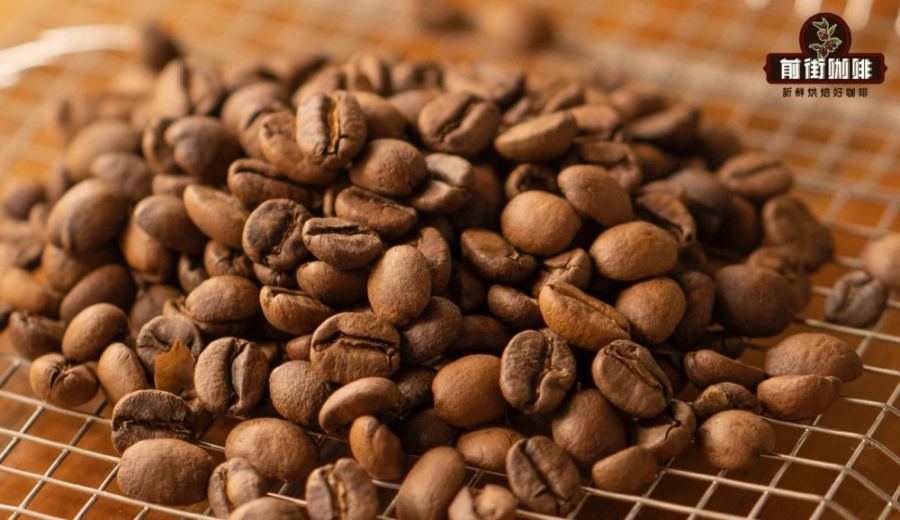
Whole Coffee BeansBecause of their smaller surface area, they come into contact with air less frequently, allowing them to retain their freshness significantly longer than ground coffee. If you’re accustomed to grinding your own beans at home, you not only have control over the grind size but also ensure that each brew uses the freshest possible grounds.
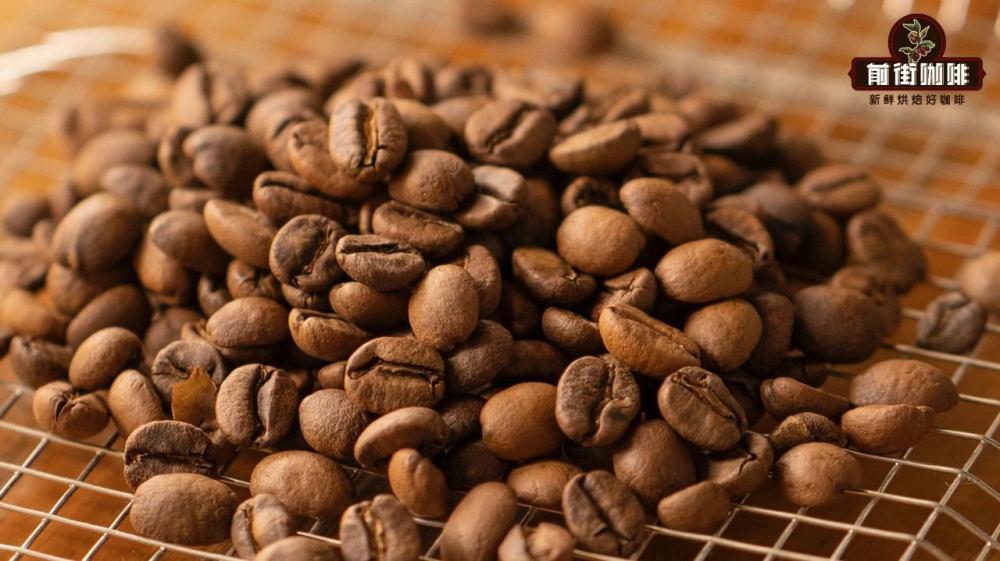
Generally speaking, coffee beans are at their peak flavorwithin 30 daysafter roasting. During this period, the balance of acidity, sweetness, and bitterness is most pronounced, and the aroma is rich. If you can’t get freshly roasted beans from a local roaster, choosingvacuum-sealed packagingis a good alternative—such products can still maintain relatively good flavor even months after roasting.
If whole beans are stored in asealed or airtight containerin a cool, dry environment, they can typically maintain good quality for6 to 9 months. However, once opened and exposed to air, it is recommended to use them withinabout 6 months, otherwise the coffee may gradually oxidize, developing bitterness or a “stale” off-flavor that affects overall extraction.
In contrast,ground coffeehas a much shorter shelf life. Because the powdered form greatly increases its exposure to air, oxidation occurs much faster, and it is also more prone to absorbing moisture and odors, or even growing mold. Typically, freshly ground coffee maintains its peak flavor for only1 to 2 weeks, and even when stored properly in an airtight container, it is best used withinone month.
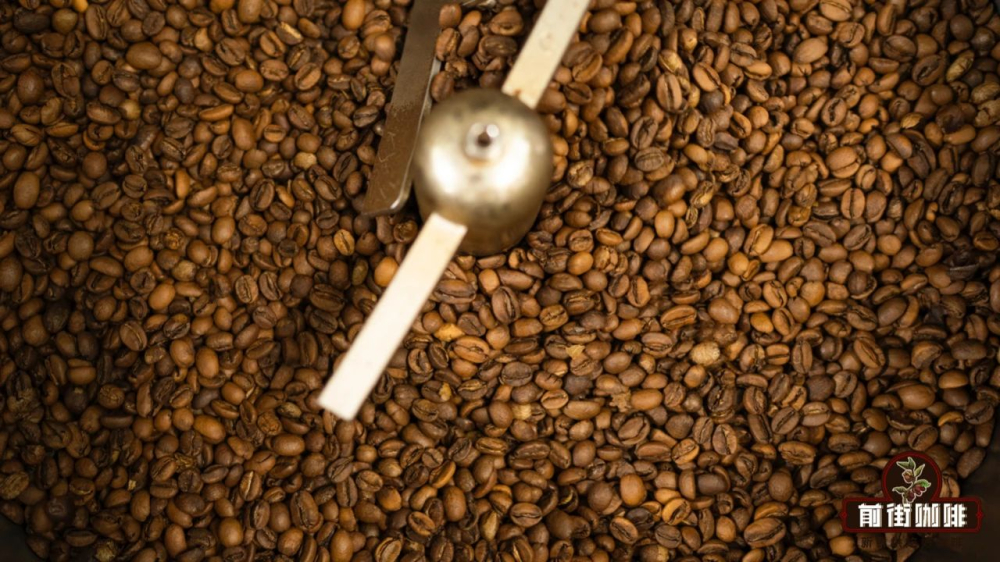
Therefore, if you’re aiming for the best brewing experience, it is recommended to buy whole beans and grind them at home according to your usage and frequency—this is one of the most effective ways to preserve coffee freshness.
To keep coffee beans fresh, the key lies insealing out air, avoiding light, preventing moisture, and controlling temperature. Most commercially available coffee packaging uses vacuum or nitrogen flushing designs precisely to reduce oxygen exposure and slow down oxidation.
When it comes to container choices,glass, ceramic, or high-quality stainless steelare preferred non-reactive materials, and you should ensure that the container has a good seal—such as rubber gasket designs—which can further squeeze out excess air and reduce oxidation risks. Some experts suggest that if you brew coffee frequently, it might be worth investing in a professional airtight coffee canister to ensure you get an experience close to the original flavor with every opening.
As for storage conditions, coffee beans should be kept in aroom-temperature, cool, opaque, and airtightenvironment. Transparent or non-light-blocking containers can accelerate bean aging due to light exposure, so it’s recommended to choose dark or opaque storage jars.
As for common Mason jars, although they have a simple and stylish appearance, standard versions usually offer limited sealing and are mostly transparent—unless they are dark or specially sealed models, they are not recommended for long-term coffee storage. If you prefer using Mason jars, choose ones with metal clasps and tight gaskets to improve the seal.
Many coffee lovers wonder if they can store coffee beans in the refrigerator or freezer. The answer isn’t absolute. While refrigerators are low in temperature, they tend to be high in humidity, and frequent opening and closing can lead to temperature fluctuations and condensation, which may actually speed up moisture absorption or the intake of odors.
If you’ve purchased a large quantity of coffee beans and won’t be able to use them all in the short term, freezing can indeed delay oxidation and flavor loss, but you need to pay attention:Make sure the beans are completely cooled before sealing and placing them in the freezer, and avoid repeated thawing and refreezing. After each use, allow the beans to return to room temperature before opening the container to minimize condensation. Even so, freezing may still cause some loss of volatile aromatic compounds, affecting the final flavor of the brew.
As for ground coffee, since it is even more prone to moisture absorption and oxidation, storage conditions need to be stricter. It is recommended to store it in acool, dry, and sealed containeras well. If you plan to use it within a week or two, you can temporarily place it in a cool corner of the pantry. But unless necessary, it is not advisable to store ground coffee in the fridge or freezer for long periods, as ground coffee is highly hygroscopic and may absorb moisture in low temperatures, accelerating spoilage.
In summary, whether it’s coffee beans or ground coffee, freshness is key to flavor performance. From selection and storage to grinding, every step deserves careful attention. Mastering the correct preservation methods ensures that every cup of coffee performs at its best, allowing you to enjoy the purest coffee experience.
The above content is compiled by CoffeeHunters, a coffee news website.


