







Introduction:Pour over enthusiasts often worry that the silver skin in coffee grounds may interfere with flavor or even introduce astringency. This article delves into actual extraction tests to analyze the residual condition of silver skin under different processing methods, comparing the flavor differences between removing and retaining it. From washed to natural beans, we guide you through the real impact of silver skin on extraction parameters and overall cleanliness, offering practical advice for beginners selecting single-origin black coffee beans for pour over.
Many newcomers to pour over coffee often wonder about those white fragments in the ground coffee after grinding: could these silver skins make the coffee taste astringent or even ruin the overall flavor? In fact, the presence or absence of silver skin is indeed one of the details many coffee lovers consider when choosing single-origin black coffee beans for pour over.
To answer this common question, we conducted practical tests, starting with observation of coffee beans from different processing methods, followed by comparative pour over tests involving solo extraction of silver skin and retention of it. We clarified the truth through actual flavor performance. This not only addresses concerns about whether silver skin affects flavor, but also helps beginners make more informed choices when selecting coffee beans.
Common questions include: “If I don’t pick out these silver skins after grinding and brew directly, will it make the coffee taste bad?” In fact, many pour over enthusiasts pay special attention to whether there’s too much silver skin left in the grounds after grinding, worrying it might release unpleasant off-flavors or astringency.
But does silver skin really negatively affect the overall performance of coffee? Our hands-on testing shows that the answer may be different from what you originally thought.
First, we observed that the silver skin on the surface of coffee beans is actually a thin film left after the coffee cherry is hulled, also known as silverskin or inner parchment. The degree to which this silver skin is retained at the green bean stage varies depending on the processing method.
For example, washed processed coffee beans, such as a certain brand’s Yirgacheffe Guji Dingding, usually have less intact silver skin at the green bean stage. Therefore, during roasting, the silver skin tends to fall off in fragments, though small amounts of white midline may still remain in the bean crevices. This is why some washed beans show more white fragments in the grounds after grinding.
In contrast, naturally processed coffee beans, such as the natural version from Yirgacheffe as well, retain more intact silver skin at the green bean stage. As a result, during roasting, the silver skin often falls off more completely, leading to a noticeable reduction—or even near absence—of white midlines on the surface of roasted beans.
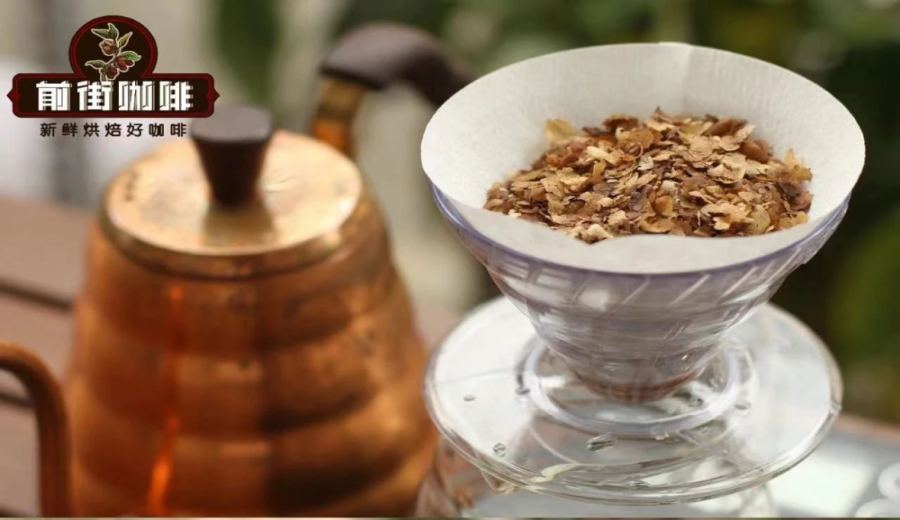
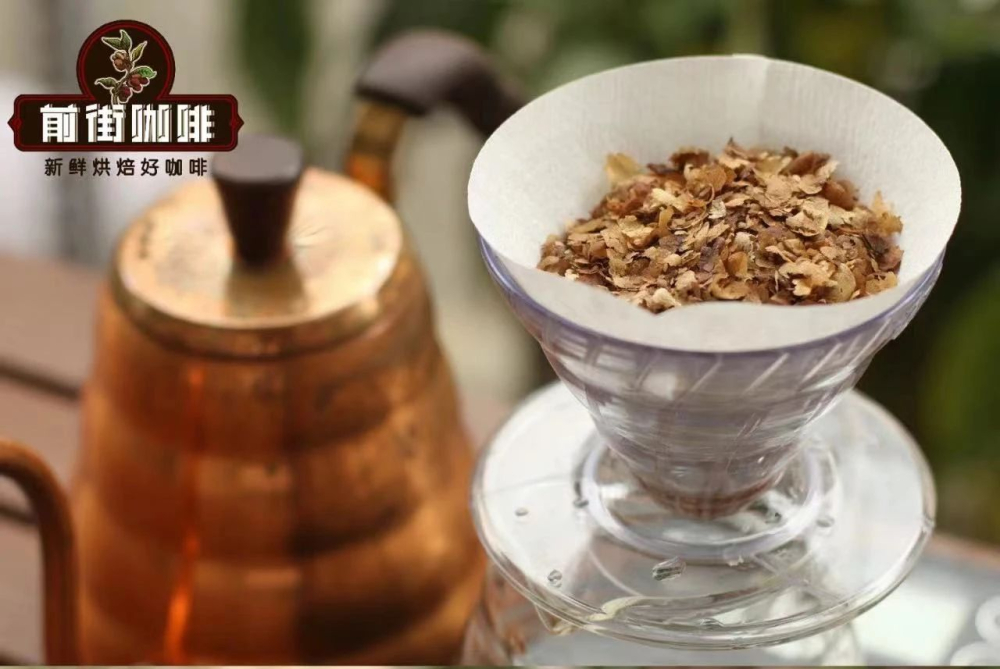
So, do these silver skins actually affect the final brewed coffee flavor? To verify, we conducted a solo silver skin extraction test. Using 1 gram of coffee silver skin, a V60 filter, water temperature controlled at 92°C, and simulating a typical three-pour pour over method, we observed its flavor performance.
The results showed that the silver skin brew had a clear golden-yellow color, with aromas of sweet corn and natural sweetness reminiscent of wheat. The taste offered a mild sugarcane-like sweetness, with no negative sensations of bitterness or astringency. This demonstrates that even when extracted alone, the impact of silver skin on flavor is very limited, and it may even add an extra layer of complexity.
To further validate, we also conducted a comparative pour over experiment with and without silver skin removal. We used a certain brand’s Yirgacheffe Guji Dingding washed beans, extracting them both with and without silver skin removal under identical parameters: using a V60 filter, 15 grams of coffee grounds, grind size at 80% through a #20 sieve (medium-fine), brew ratio 1:15, water temperature 91°C, and a three-pour method with total extraction time around 2 minutes and 10 seconds.
In terms of flavor performance, the version without silver skin removal exhibited bright citrus acidity, accompanied by white floral notes and sweet honey-like tones. The overall flavor was clean and vibrant, with a lingering finish reminiscent of the freshness of green tea. The version with silver skin removed, while also showing citrus acidity and floral notes, had a less pronounced tea-like aftertaste, and the overall impression was slightly thinner.
Combining the test results, we conclude that the negative impact of coffee silver skin on flavor is actually minimal. In fact, to some extent, retaining the silver skin can enhance the layered complexity of the coffee, particularly in terms of tea-like mouthfeel and aftertaste sweetness. For pour over enthusiasts seeking clean and delicate flavors, there's no need to overly worry about the presence of silver skin—it can instead be a point of understanding regarding processing methods and extraction parameters.
In summary, when selecting single-origin black coffee beans for pour over, there’s no need to obsess over whether all the silver skin has been removed. Understanding how different processing methods affect silver skin retention, and mastering suitable grind size and water temperature among other extraction parameters, is the key to brewing a balanced and layered pour over coffee.
The above content is compiled by CoffeeHunters, a coffee news website.


