







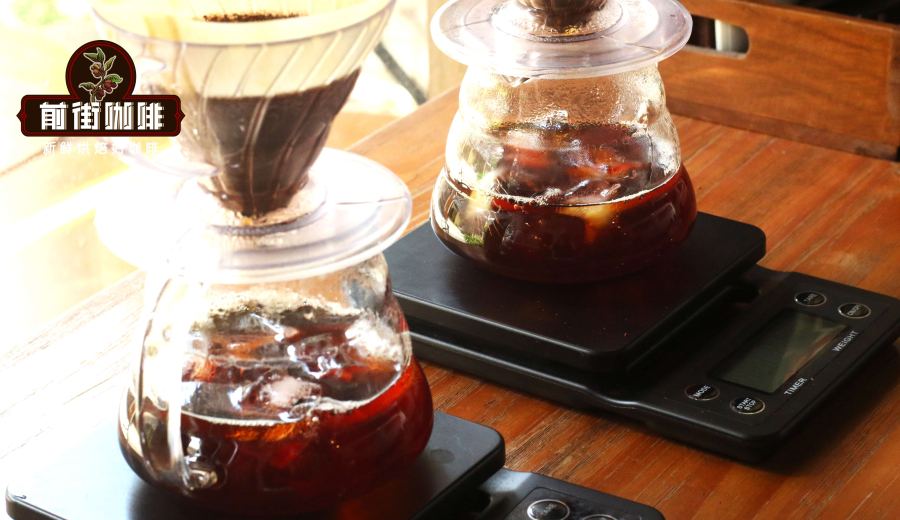
Introduction:Did you think pour over can only be done with hot water? This time, we’re challenging ourselves to brew using ice water throughout the entire process, taking you through what may seem like a difficult but actually methodical technique of ice water pour over. Using Costa Rica Strawberry Candy beans as an example, we’ll detail the choice of filter, grind size settings, and step-by-step operation procedures, and we’ve even included a soda water substitution experiment to analyze flavor variations. Whether you’re a beginner or an advanced pour over enthusiast, you’ll find practical insights here.
Traditional iced pour over mostly involves pouring hot coffee over ice to cool it down, which is a classic Japanese method. But this time, we’re trying an alternative approach—brewing entirely with ice water. The low temperature of ice water is generally thought to result in poor extraction efficiency, making it seem difficult to extract ideal flavors. However, by mastering the balance between grind fineness, water temperature control, and pouring techniques, it’s still possible to develop a viable brewing logic.
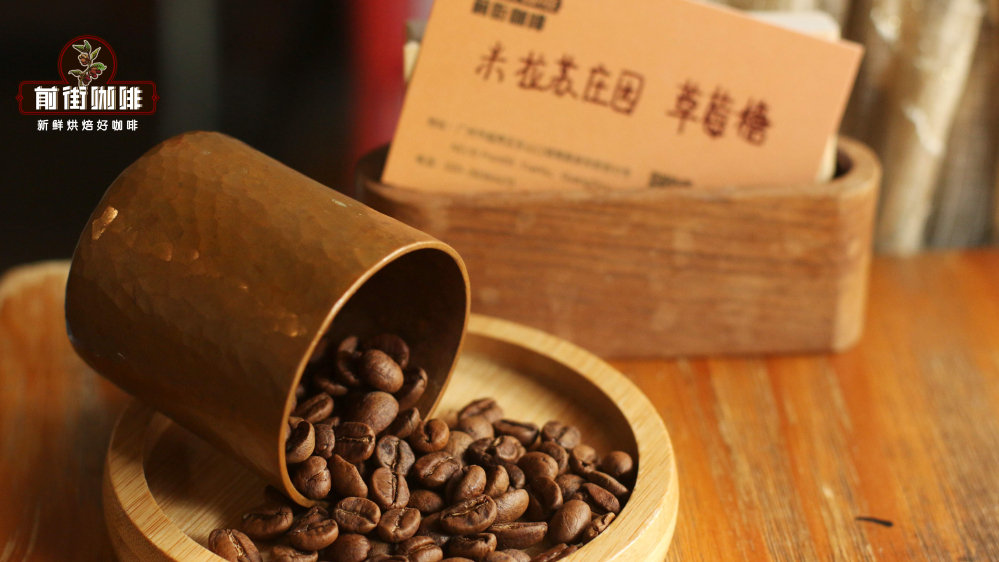
First, we set a clear goal: to make a refreshing and flavorful pour over coffee using ice water. For the bean selection, we chose Costa Rica Strawberry Candy. This bean has previously performed exceptionally well in both iced pour over and cold brew, featuring a light rose-like floral aroma and a sweet-tart profile reminiscent of strawberry soft candy. It has an enjoyable mouthfeel and rich layers of flavor.
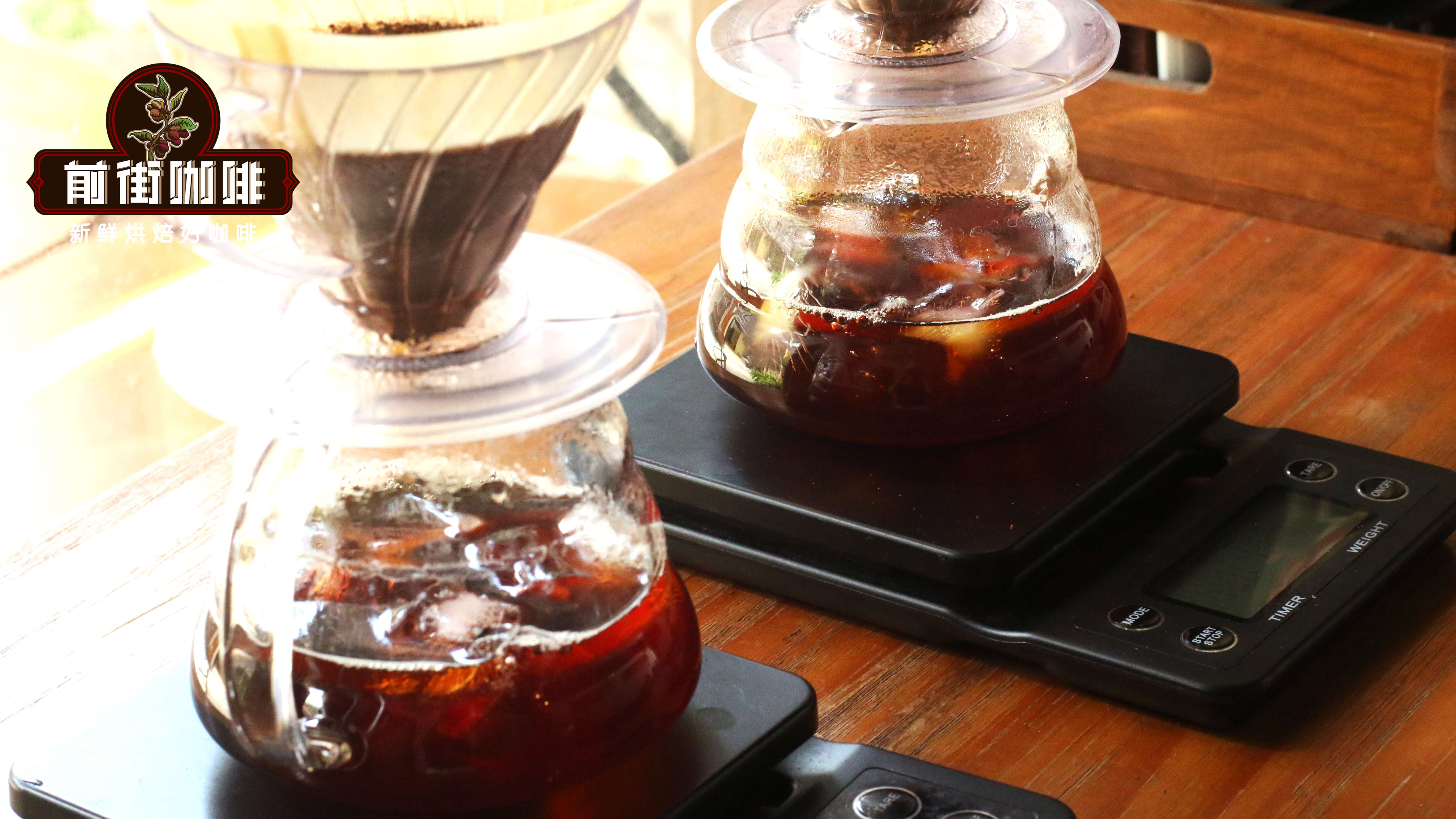
Regarding the filter, since ice water extraction is less efficient and coffee grounds tend to compact, we opted for the Kalita Wave flat-bottom three-hole flatbed dripper. The flat bottom design is less prone to clogging the drainage holes compared to conical drippers, and the naturally slower flow rate of this dripper aligns well with the needs of ice water extraction, helping to stabilize the flow and extend contact time.
In terms of grind size, two main points need to be balanced: avoiding an overly compact coffee bed that restricts water flow, while also preventing under-extraction due to too coarse a grind. After multiple tests, we finally settled on a grind setting where 90% of particles pass through a #20 sieve and using an EK43s at setting 7. This range achieves a more balanced extraction performance during the coffee-water contact phase.
For preparation tools, it’s recommended to have two pour over kettles ready—one filled with hot water for blooming, and the other with a mixture of ice water for the main pour. Also, prepare a small spoon to gently stir the coffee bed during brewing to prevent fine particles from accumulating and causing blockages.
The specific brewing steps are as follows: First, place the filter paper in the dripper and preheat it, then add 20 grams of coffee grounds. Use the hot water kettle to pour about 35 milliliters of 96°C hot water, evenly saturating all the coffee grounds. The bloom time is 1 minute and 30 seconds. This amount of water not only fully saturates the coffee but also controls the minimal amount of drip-through, and extending the bloom time helps improve overall extraction efficiency in the subsequent stages.
After the bloom, switch to the kettle with the ice water mixture and pour 100 milliliters of ice water in large, circular motions. The impact of the water stream helps agitate the coffee bed, promoting even extraction. When the water level drops to about half, pour another 100 milliliters of ice water. Then, use the small spoon to gently stir the coffee bed to prevent fine particles at the bottom from clogging the filter holes. Once all the coffee liquid has completely dripped through, the entire extraction process takes approximately 4 minutes and 20 seconds.
The freshly brewed coffee is ice cold and bursting with bright blueberry fruit aroma. The mouthfeel is full-bodied yet not watery, making it perfect for summer—a refreshing experience.
Next, we further experimented by substituting ice water with soda water to explore how the flavors change. Except for replacing the ice water with chilled soda water, the other steps and parameters remain largely the same, and normal hot water is still used for blooming. However, during the actual operation, when the soda water comes into contact with the coffee grounds, a large number of bubbles rapidly emerge.
The coffee bed expands and becomes looser than usual due to the bubbling effect. Once the support from the bubbles diminishes, the coffee bed collapses. The final brewed coffee carries a slight bitterness unique to soda water. However, because the bubbles dissipate quickly during the brewing process, no noticeable carbonation sensation is perceived upon drinking. The flavor profile shows clear differences compared to the ice water version.
The above content is compiled by CoffeeHunters, a coffee news website.


