







Introduction:Latte milk foam often collapses or develops dents shortly after steaming, causing latte art patterns to distort. This article delves into the key principles behind stable milk foam, covering the characteristics of milk proteins, steam texturing parameters, temperature control, as well as the texture of espresso crema and pouring techniques. It provides practical tips to help you achieve fine and long-lasting foam, enhancing both your latte art and beverage quality.
Have you ever encountered this situation: the freshly textured milk foam looks fine and glossy, and the latte art pours out smoothly, but soon after, the surface starts to develop small dents like “meteor craters,” and the originally beautiful design becomes blurred and distorted? This rapid collapse of milk foam is actually closely related to the protein structure in milk, the steaming technique, temperature control, and even the condition of the espresso crema.
To create stable and fine milk foam, it’s essential first to understand its composition. The stability of milk foam mainly relies on casein micelles and whey proteins in the milk. Among them, casein micelles can create a certain surface tension when milk is steamed and bubbles are formed. These proteins envelop the air bubbles, helping to maintain their shape. Meanwhile, milk fat contributes to the overall stability of the foam, which is why using whole or high-fat fresh milk usually results in more durable foam than skim milk.
However, even when using whole fresh milk, if certain steps during the steaming process aren’t properly controlled, the foam can still collapse quickly. Common issues include: using cold milk straight from the fridge — although rich in protein and fat — if not properly warmed or if the condensation water from the steam wand isn’t managed, it can negatively affect the fineness of the foam. Additionally, the recommended temperature for steaming milk is to keep it between 55-65°C , and once it exceeds 70°C, the protein structure in the milk may begin to break down, leading to reduced foam stability.
Before steaming the milk, be sure to let the steam wand release a few seconds of steam to expel any built-up condensation water inside. Using steam that still contains moisture will not only make the foam coarse but also accelerate its breakdown. Moreover, many people have the habit of tapping the milk pitcher after steaming, believing it helps break up large bubbles. However, excessive tapping can actually cause the fine foam to dissipate more quickly. It’s recommended to gently tap 2–3 times , and if there are still noticeable large bubbles, it’s better to re-texture the milk to avoid affecting subsequent milk pouring and latte art results.
In addition to how the milk foam is textured, the quality of the espresso also plays a crucial role in foam stability. A shot with a rich and fine crema can combine better with the milk foam, slowing down the rate at which the foam collapses. It’s recommended to use coffee beans with delicate aroma and good crema performance, while also paying attention to bean freshness. Overly fresh beans contain more carbon dioxide, which can be emulsified into the coffee liquid during extraction. When mixed with the milk foam, the gradual release of carbon dioxide may also lead to premature breakdown of the foam.
During espresso extraction, timing is equally critical. Too short an extraction time may result in a thin crema that cannot effectively support the milk foam during pouring. Conversely, over-extraction can make the crema overly thick, leading to uneven integration. The ideal extraction should produce a golden, fine, and moderately thick crema, which helps form a stable bonding layer with the milk foam.
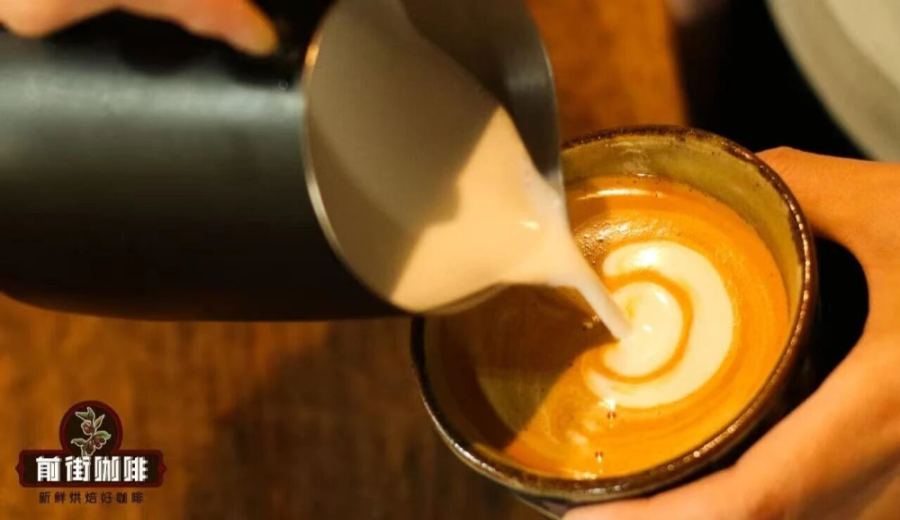
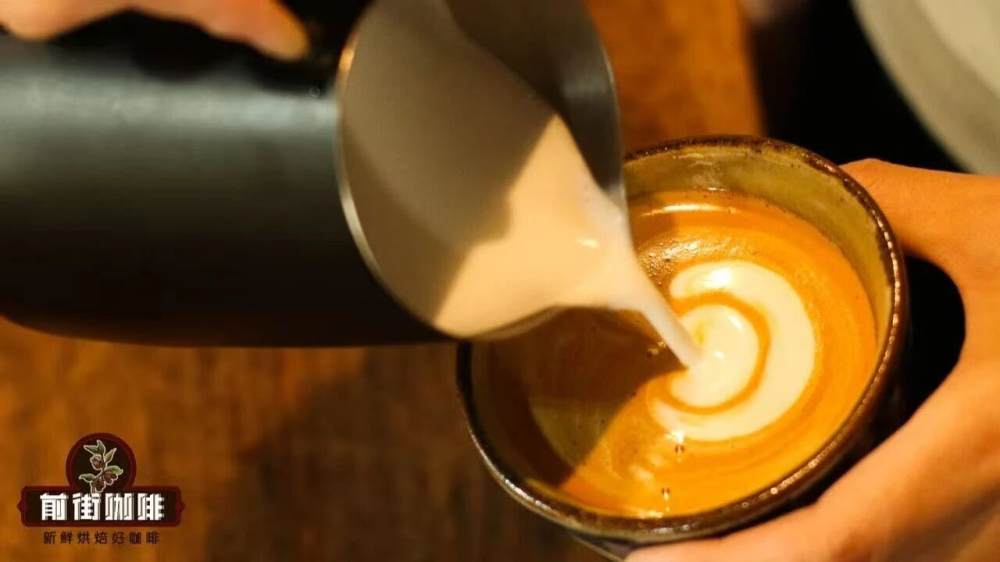
Finally, the pouring technique that combines the milk foam with the espresso is also crucial. Good pouring should result in a uniform color and smooth, fine surface across the entire drink. The milk flow (or stream) used during pouring should be finer than that used for latte art, and it should be poured in a steady circular motion. Avoid going too fast, which can create large bubbles, or too slow, which can result in incomplete integration. The quality of the pour directly affects both the visual appeal and taste of the final drink, and is also one of the key steps in preventing the milk foam from collapsing quickly.
In summary, to achieve stable, non-collapsing latte milk foam, it’s necessary to consider multiple factors including protein characteristics, steam texturing parameters, temperature control, espresso quality, and pouring techniques. Every detail can influence the final result. With continuous practice and adjustments, you too can create fine, long-lasting, and latte-art-friendly perfect foam.
The above content is compiled by CoffeeHunters, a coffee news website.


