








Introduction:The opening of Tea’s Stone’s first store in Nanjing triggered a massive queueing trend, with scalpers reselling bubble tea for as much as 200 yuan per cup. The Xinjiekou branch even had to temporarily suspend operations. This article delves into the brand’s nationwide expansion strategy, compares it with competitors such as Nayuki, and explores how new-style tea beverages balance quality control, supply chain management, and consumer expectations, offering practical insights and industry perspectives.
On the first day of Tea’s Stone’s Xinjiekou branch opening in Nanjing, due to the overwhelming crowds and price gouging by scalpers, a single cup of bubble tea was reportedlysold for 200 yuan, sparking widespread social discussion and trending on Weibo. Due to extreme overcrowding at the site, the Xinjiekou branch ultimately suspended operations, while the Jiangning Jingfeng branch continued normal business.
According to eyewitnesses, before the store even opened in the morning, a large number of consumers had already gathered, with some peoplearriving as early as 4:30 AMto wait in line. A Xiaohongshu user shared a photo taken at 8:32 AM showing traffic disruptions around the Xinjiekou branch, advising nearby commuters to plan their routes in advance.
Media reports indicated that five minutes before official opening, the store had already posted a “sold out” notice. Customers who failed to queue grew agitated, with some even engaging in physical altercations. Scalpers took the opportunity to sell bubble tea, claiming that payment would guarantee immediate collection. Industry insiders revealed that the main reason for the sell-out was the complaints caused by chaotic on-site order rather than insufficient stock.
The Nanjing Market Supervision Administration explicitly stated that scalper-purchased goods constitute illegal activity and urged the public to report such behavior by calling 110. Tea’s Stone also reminded consumers not to buy from scalpers and announced plans to open five additional stores in Nanjing. Notably, the temperature in Nanjing that day reached38°C, and high temperatures can promote bacterial growth in bubble tea, posing food safety risks when purchasing second-hand drinks.
On the same day, the Jiangning Public Security assisted in maintaining order and, via Weibo, humorously advised citizens to avoid unnecessary queuing, remarking that “the water you drink while waiting in line could buy you plenty of drinks.” People’s Daily commented that bubble tea should not be overly mythologized, and consumers should remain rational when facing internet-famous brands, avoiding being swayed by marketing tactics.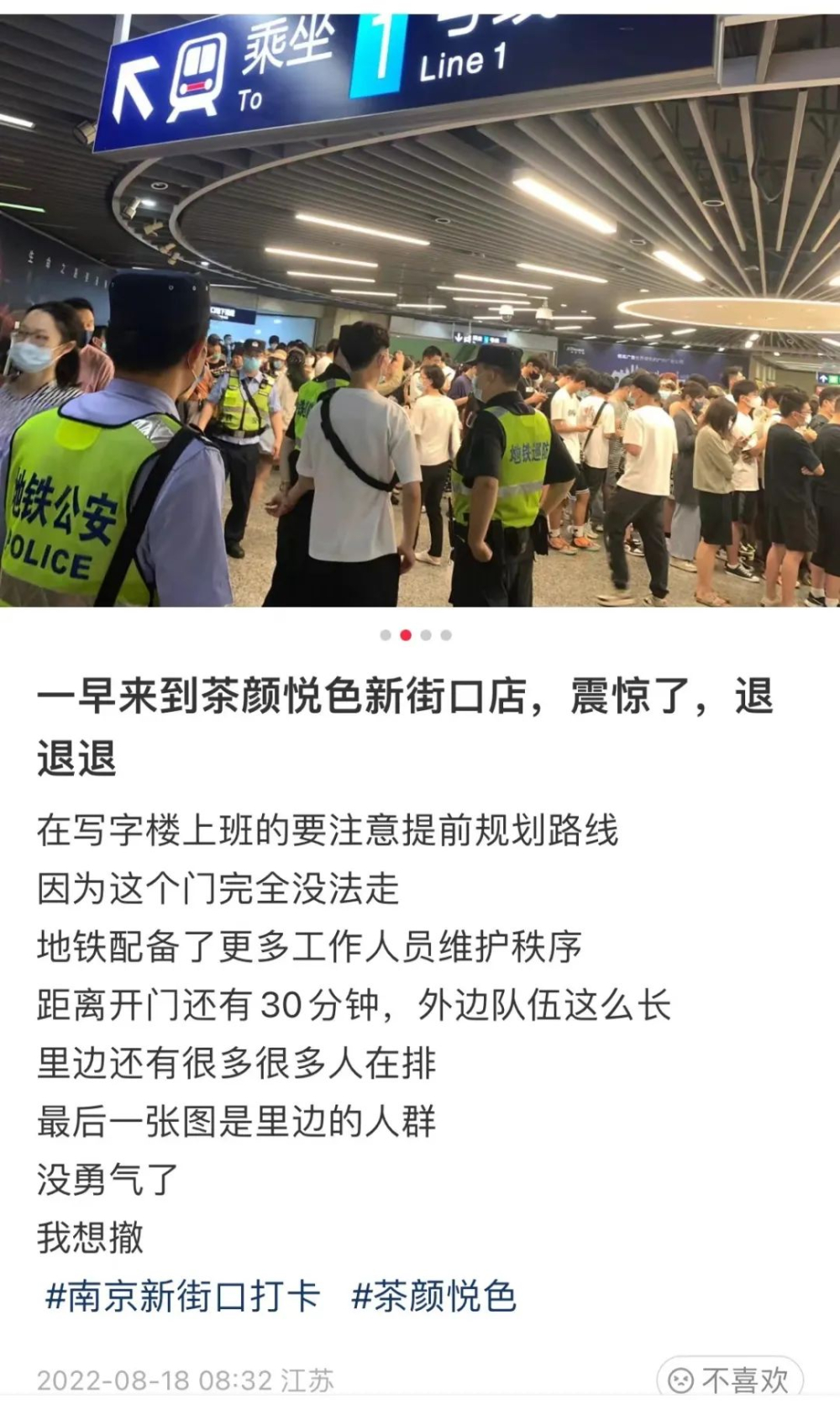
Looking back to 2021, Tea’s Stone made its first venture outside of Hunan by entering Shenzhen’s Wenheyou. At that time, the store saw queue times ranging from one to three hours within the first three days of opening, highlighting its strong popularity. However, the Shenzhen pop-up store, originally intended for a short-term stay, was extended to September but eventually faced reports of withdrawal, sparking questions about “hunger marketing.”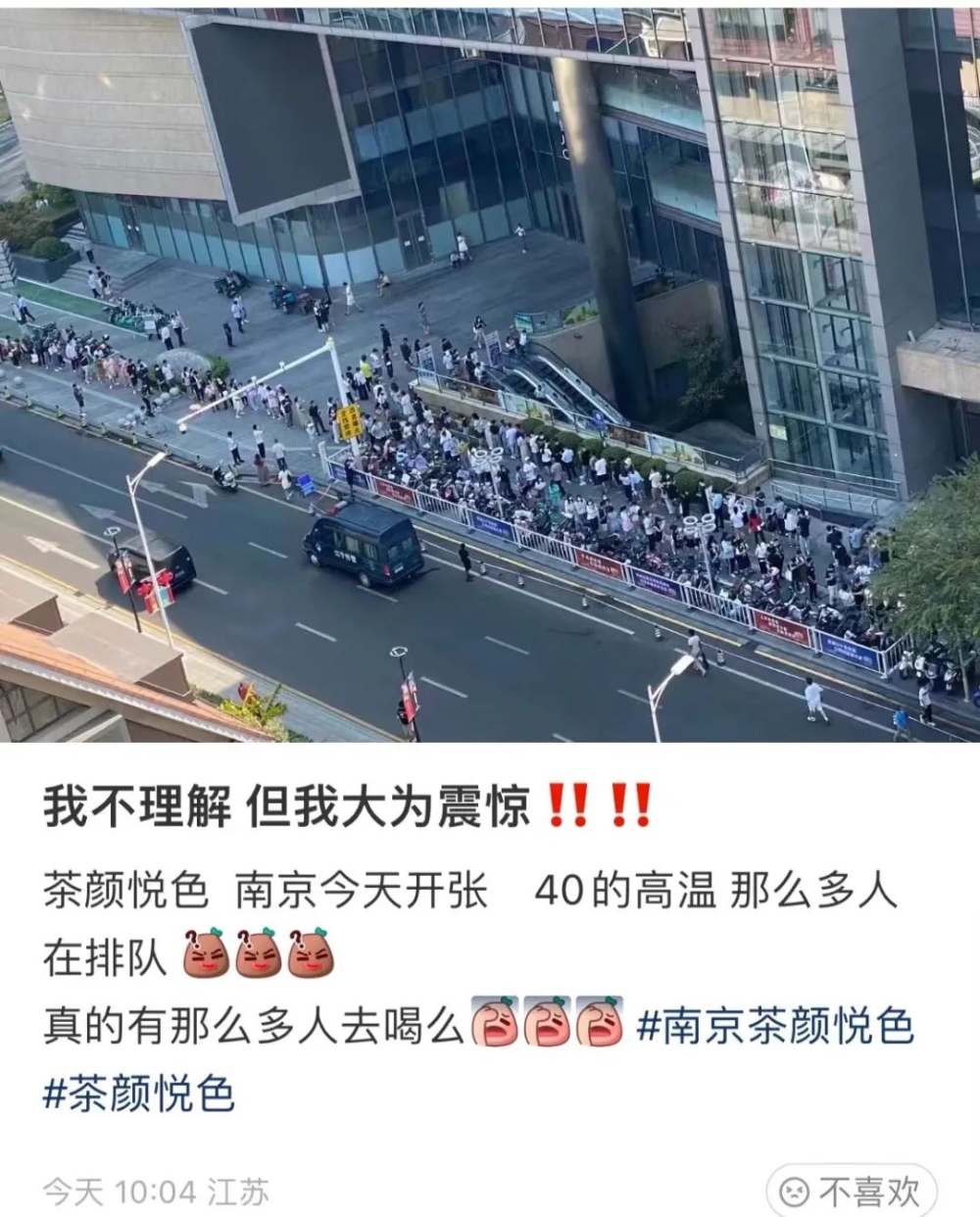
Founder Lü Liang has emphasized that the brand values customer repurchase rates, noting that cross-city expansion must confront challenges in quality control, supply chain management, and organizational capability. In contrast, although Nayuki has stores across first- and second-tier cities and has successfully gone public, it has frequently faced food safety issues—for instance, a Beijing branch was exposed for serving spoiled ingredients and having poor hygiene conditions.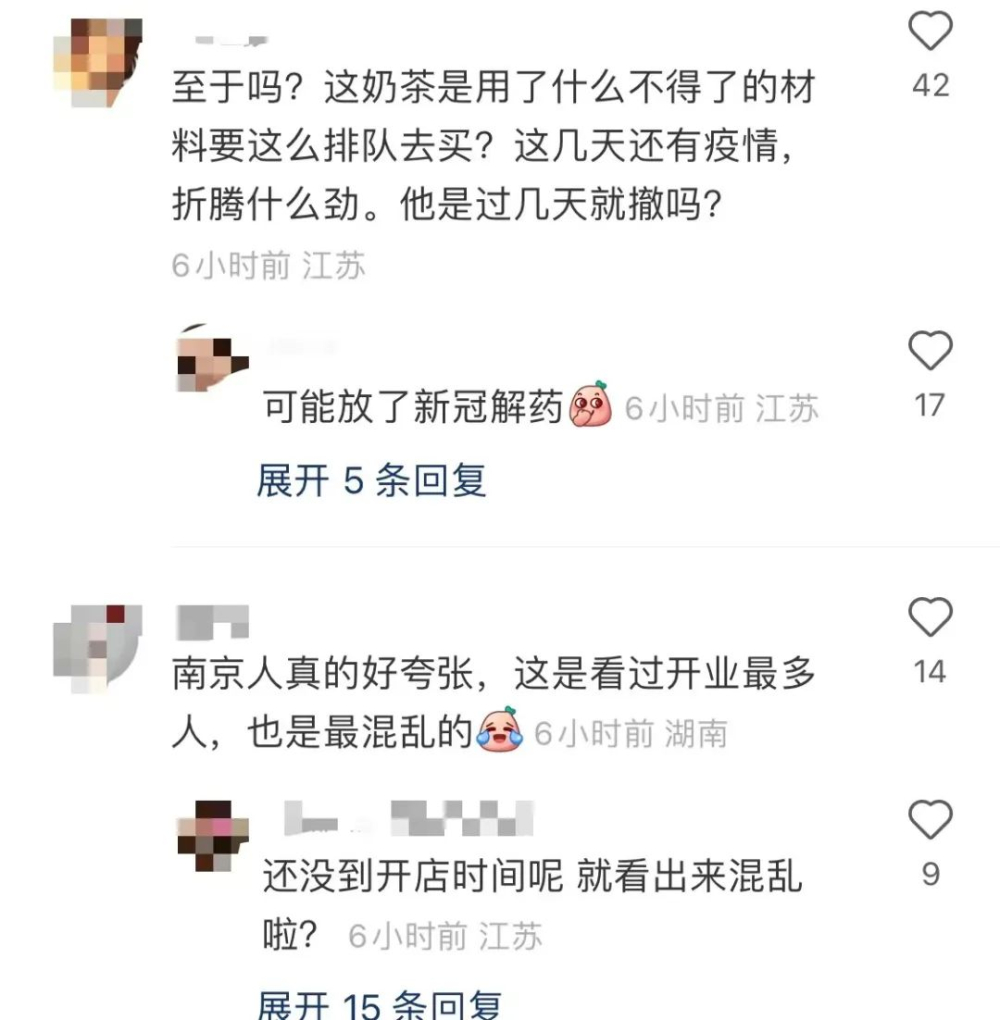
Shenzhen Wenheyou adopts a theme of “nostalgia,” recreating the street vibes of the 1980s and attracting large crowds for photo opportunities. However, some merchants struggled to retain customers shortly after opening due to low cost-performance ratios and insufficient localization. Whether this business model can be sustained long-term remains to be seen.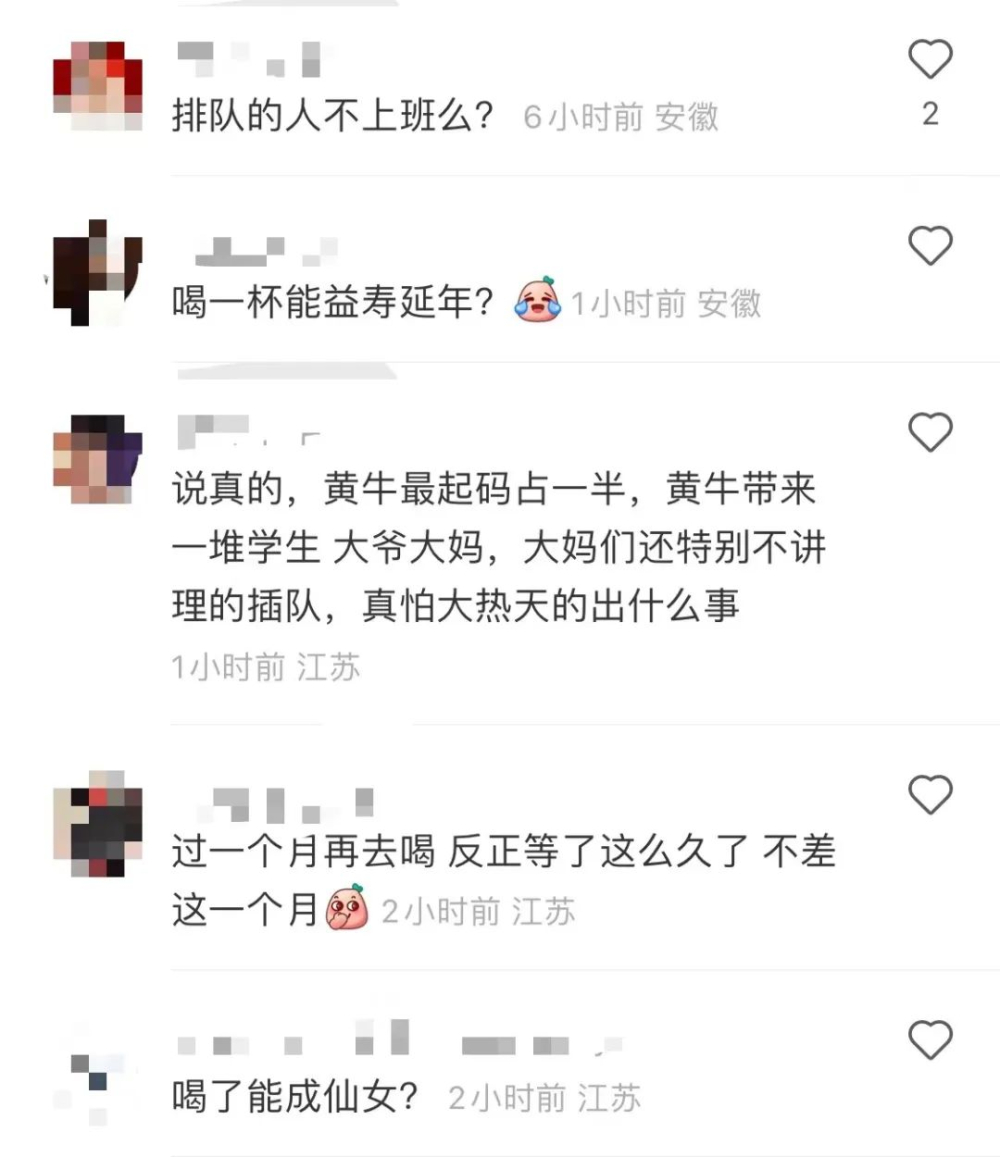
Overall, Tea’s Stone’s rapid expansion highlights the competitive pressures in the new-style tea beverage industry. As brands pursue market share, how to ensure stable product quality, optimize the supply chain, and guide consumers toward rational consumption will be key challenges going forward.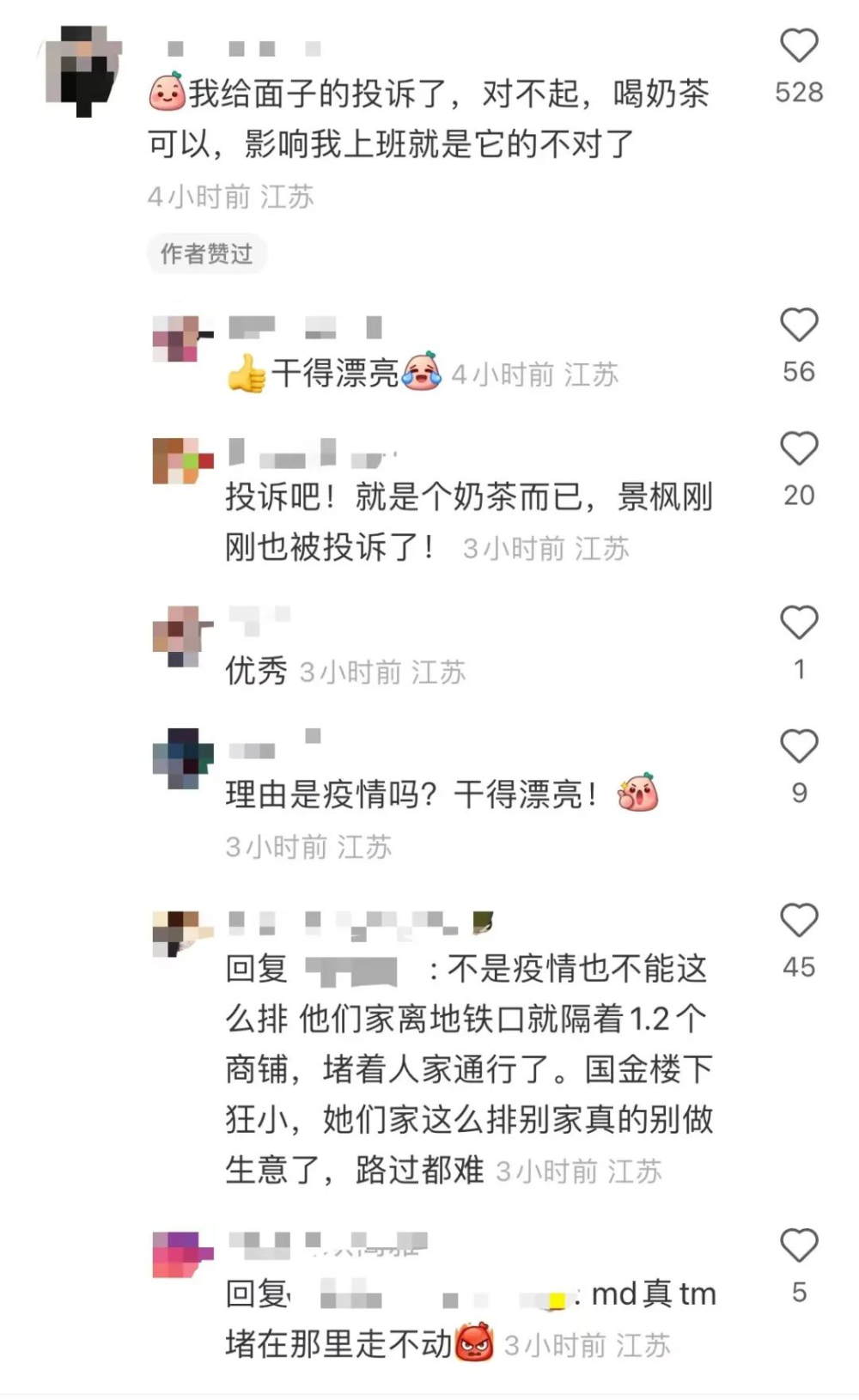
The Nanjing incident is not just a case study of a single brand but reflects the broader challenges and reflections facing the entire industry amid viral phenomena. Consumers, while chasing trends, should also weigh convenience against risks and make informed choices.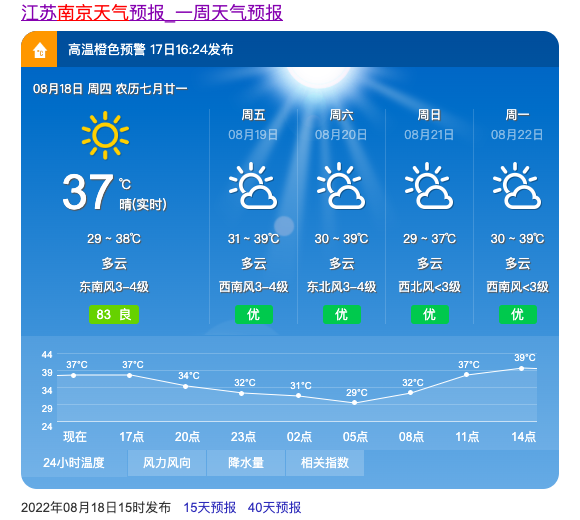
The above content is compiled by CoffeeHunters, a coffee news website.


