







Introduction:Jamaican Blue Mountain coffee is hailed as one of the world’s top-tier coffees, renowned for its rarity and exceptional flavor. This article delves into the origin background, variety characteristics, and flavor profile of Blue Mountain coffee, helping you understand what makes it so unique, as well as the type of coffee drinkers it suits. It also offers expert brewing recommendations and key parameters to help you fully experience the charm of this legendary coffee.
When it comes to Blue Mountain coffee, even those unfamiliar with coffee may have heard of it. As a legendary item in the coffee world, Blue Mountain is often regarded as a flagship offering among specialty coffees. This reputation is not unfounded but stems from its unparalleled growing environment, rigorous production process, and distinctive flavor profile. With market access becoming increasingly diverse, enjoying an authentic cup of Blue Mountain coffee is no longer as difficult as it once was, allowing more coffee enthusiasts to personally experience the essence of Jamaica’s coffee heritage.
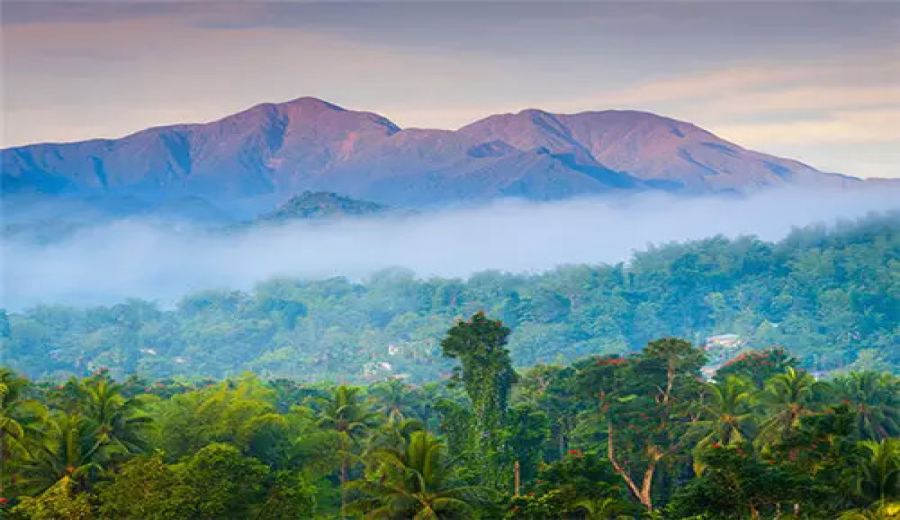
The uniqueness of Blue Mountain coffee is inseparable from its geographical location.The Blue Mountains are located in the eastern part of Jamaica, embraced by the Caribbean Sea. Sunlight spills across the blue waters, while the mountain peaks reflect a captivating blue hue, hence the name "Blue Mountains." The area’s elevation reaches up to 2,256 meters, not only the highest point in the Caribbean but also an ideal terroir for cultivating premium coffee. The region boasts fertile volcanic soil, fresh unpolluted air, along with a climate that is misty and rainy year-round (annual rainfall of about 1,980 mm, average temperature around 27°C), all contributing to the irreplaceable flavor traits of Blue Mountain coffee.
Authentic Blue Mountain coffee boasts an ultimate sense of balance, with acidity, sweetness, and bitterness harmoniously blended, delivering a rich mouthfeel without any bitterness—making it a benchmark for what many consider a “great coffee.” It is worth noting that due to its extremely limited production, genuine coffee beans from the Blue Mountain region are exceptionally rare. The market often sees “Blue Mountain-style” alternatives made by blending other similarly flavored beans, so consumers should pay extra attention when purchasing.
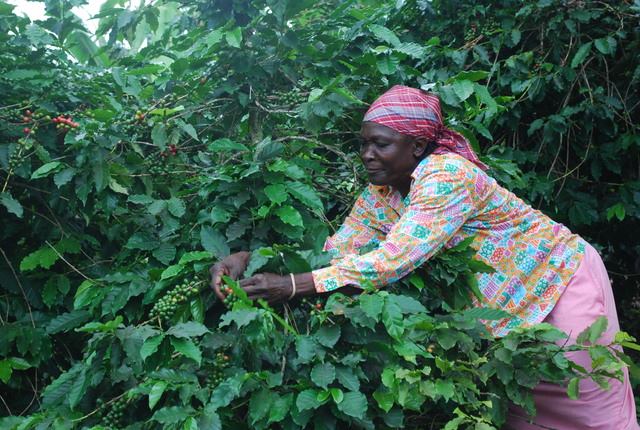
The cultivation and processing of Blue Mountain coffee can be described as extremely meticulous. Since the coffee trees are mostly planted on steep slopes, harvesting relies entirely on skilled manual labor, picking only perfectly ripe coffee cherries. After harvest, the cherries must be depulped the same day, followed by 12 to 18 hours of fermentation, then thorough washing and sorting. Subsequently, the beans are dried on concrete floors or thick mats until their moisture content drops to between 12% and 14%. They are finally stored in specific warehouses and only taken out for processing just before roasting. Any slight misstep in this complex series of steps could affect the final flavor.
The history of Blue Mountain coffee dates back to the early 18th century. In 1717, French King Louis XV ordered the trial cultivation of coffee in Jamaica. Then, in the 1720s, Sir Nicholas Lawes, then Governor of Jamaica, introduced Arabica seeds from Martinique and promoted their cultivation in the St. Andrew region, which remains one of the three core producing areas of Blue Mountain coffee to this day. The other two are Portland and St. Thomas. In 1932, Jamaican coffee production once reached over 15,000 tons, reflecting its former glory.
To maintain the quality of Blue Mountain coffee,the Jamaican government established the Coffee Industry Board in 1950, responsible for setting and overseeing quality standards, as well as granting official certification to exported coffee. It is one of the few national-level coffee regulatory bodies in the world with such strict control mechanisms. Currently, recognized Blue Mountain coffee labels in the market include six officially certified entities such as the Mavis Bank Coffee Factory, the Blue Mountain Coffee Cooperative, and the Portland Blue Mountain Coffee Cooperative.
The variety foundation of Blue Mountain coffee is the ancient Typica, a cultivar with distinct characteristics. Typica trees are tall and slender, reaching up to 5 meters in height, with wide branch spacing. Both leaves and fruits are elongated, and young buds feature a unique bronze color, while mature coffee cherries appear bright red. Typica is known for its clean and clear flavor profile and good balance, but it relatively yields less, demands high altitude and strict climatic conditions, is susceptible to leaf rust disease, and has weaker disease resistance.
It is worth mentioning,authentic Blue Mountain coffee is only grown in specific high-altitude regions—not all coffee labeled as “Blue Mountain” meets this standard. Furthermore, due to Japan’s long-term investment in Jamaica’s coffee industry, a high proportion of the Blue Mountain coffee circulating in the market is purchased by the Japanese market. Only about 10% of the global supply is allocated elsewhere, adding to the coffee’s exclusivity.
In terms of flavor, Blue Mountain coffee typically exhibits aromas of dark chocolate and nuts, with a rich and layered mouthfeel. Its acidity is bright yet not sharp, with an excellent balance between bitterness and sweetness. The overall profile is very clean, with a long-lasting aftertaste. This flavor formation is inseparable from its growing environment, varietal traits, and meticulous post-harvest processing.
Regarding brewing methods, it is recommended to use the Kono dripper for pour over. This dripper has shorter ribs, enabling the filter paper to adhere tightly to the dripper, creating a semi-sealed state that slows down the water flow rate, resulting in an immersion-like effect that helps fully extract flavors. For actual brewing, you can refer to the following parameters:Water temperature around 88°C, brew ratio 1:15, coffee dose 15 grams, grind size with about 75% passing through a #20 standard sieve, which equates to a medium-fine grind, similar in texture to superfine sugar.
Additionally, to fully appreciate the delicate flavors of Blue Mountain coffee, it is recommended to use freshly roasted beans. The peak flavor is typically achieved after 4 to 7 days of resting. Most professional roasters ship Blue Mountain coffee beans with roast dates within 5 days to ensure customers still enjoy optimal flavor upon receipt.
In summary, Blue Mountain coffee is more than just a beverage—it is a refined experience that combines geography, history, and craftsmanship. Understanding the story and traits behind it helps us better appreciate its unique charm during tasting. Whether you’re a coffee novice or a seasoned enthusiast, Blue Mountain coffee is worthy of a spot on your tasting list as a significant milestone in exploring high-quality coffee.
The above content is compiled by CoffeeHunters, a coffee news website.


