







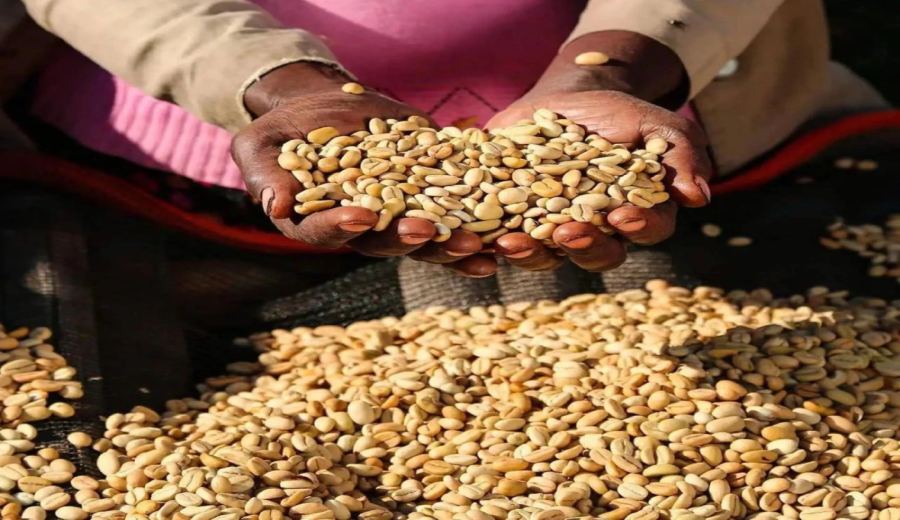
Introduction:Although not as well-known as Geisha, Wush Wush is one of Ethiopia’s important heirloom coffee varieties. This article delves into the origins of Wush Wush, its cultivation history, and how it successfully took root and became widely planted in Colombia. Discover the legendary story of this uniquely flavored, disease-resistant coffee variety — from a highland village to the international market.
In Ethiopia, besides the widely recognized native coffee varieties, types such as Wush Wush, the 74 series, and Dega have gradually caught the attention of coffee enthusiasts. Among them, Wush Wush, with its distinctive name and outstanding flavor profile, is relatively rare in the market but always attracts significant interest whenever it appears. So, how exactly did this variety come into being? And how did it travel from a remote Ethiopian village to the international stage, even becoming a popular choice for coffee farms in Colombia? Let’s explore its journey step by step, starting from its origins.
Like the renowned Geisha, Wush Wush is also an Ethiopian heirloom coffee variety. It was first discovered in a small village near the Kafa biodiversity zone, a place called Wush Wush, which belongs to Gimbo town. The area is known for its fertile highland terrain, not only giving birth to this uniquely flavored coffee but also being the origin of high-quality tea of the same name.
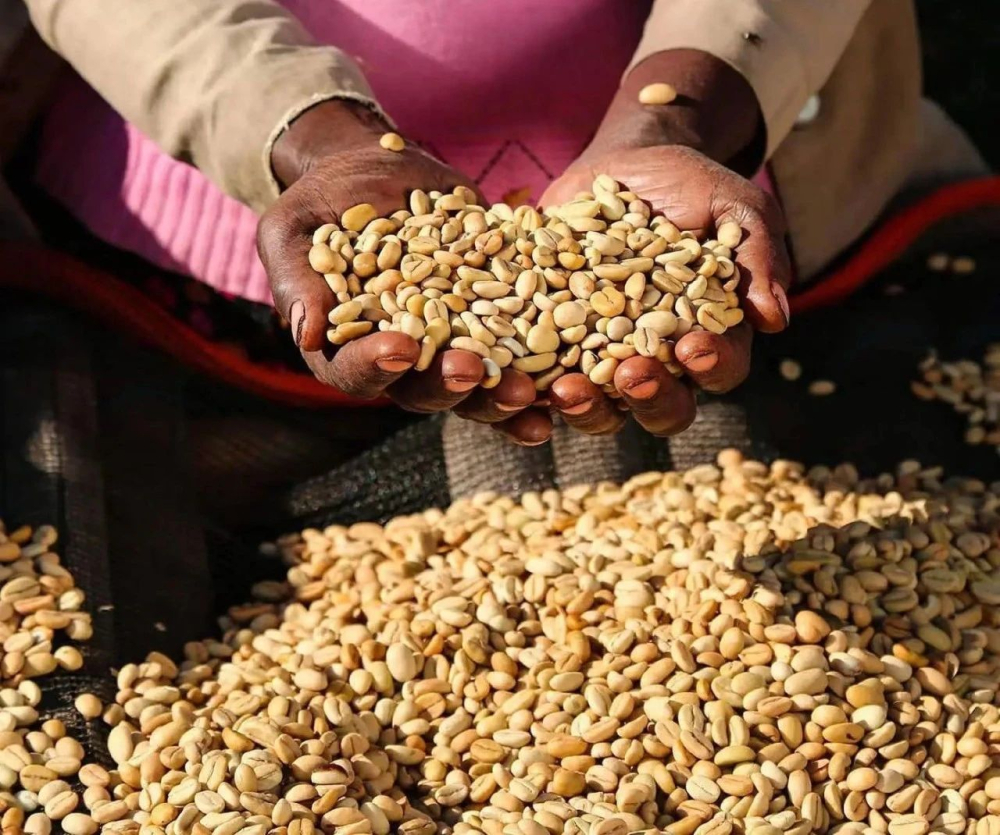
Going back to the 1970s, Ethiopia faced a severe outbreak of coffee anthracnose, a disease that had once caused more than 70% of coffee crops in Kenya to fail. Faced with such a threat, the Jimma Agricultural Research Center (JARC) in Ethiopia launched a breeding program aimed at selecting disease-resistant varieties, with the goal of finding naturally resistant strains among wild coffee trees.
To this end, JARC researchers ventured deep into the pristine forest regions of western Ethiopia, including areas such as Bishari, Gera, Wasi, and Wush Wush, to collect samples. These regions are the genetic birthplaces of Arabica coffee and boast extremely high genetic diversity. After field investigations, the research team brought back hundreds of promising coffee tree samples, which were then cultivated and tested in laboratories.
After years of selective breeding, by 1978, JARC had finally screened out 13 anthracnose-resistant varieties from these samples, which were subsequently promoted across the country. These varieties were named according to the year of selection, using a numbering system such as “74***” or “75***,” for example, the well-known 74110 and 74158. Many coffee enthusiasts are familiar with regions such as Santa Ana and Alo, where the 74158 variety is planted.
Around 2002, JARC revisited the 25 disease-resistant coffee trees originally collected from the village of Wush Wush. Through further purification and cultivation, researchers were pleasantly surprised to find that these varieties not only exhibited excellent disease resistance but also possessed rich and complex flavor profiles. Finally, in 2006, JARC officially named this variety Wush Wush and recommended planting it at high-altitude environments between 1700 and 2100 meters to achieve optimal flavor expression.
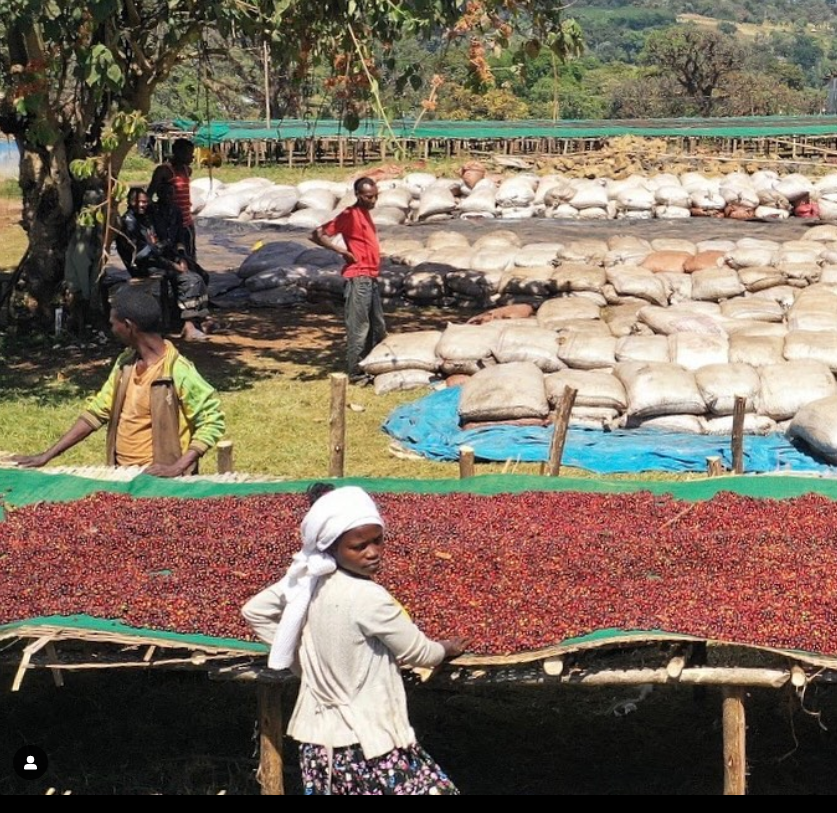
Interestingly, although Wush Wush originated from a small village in Ethiopia, in the international market, the most commonly available Wush Wush coffee is often produced in Colombia. In fact, Colombia’s Wush Wush planting scale has far surpassed that of its country of origin, to the extent that it is regarded as the “second home” of this variety. So why has this African-origin variety become so widely planted and flourished in Colombia?
As early as the late 1970s, Colombia’s National Coffee Research Center (Cenicafé) introduced Wush Wush coffee seedlings from Ethiopia and began localized cultivation and research. After years of selection and adaptability testing, these seedlings were gradually distributed to demonstration farms and representative estates across Colombia for trial planting between 1980 and 1990.
Under varying altitudes, soil types, and microclimates, Wush Wush gradually demonstrated remarkable adaptability and took root in multiple provinces in Colombia, including Santander, Quindío, Tolima, and Huila. Due to differences in local terroir, the Wush Wush grown in these regions also exhibited unique flavor profiles, becoming a notable feature of the local specialty coffee areas.
Overall, Wush Wush is not only a significant achievement of Ethiopia’s disease-resistant breeding program, but also, thanks to its outstanding flavor potential and adaptability, has found a second home in Colombia. For coffee enthusiasts, understanding the history and characteristics of this variety helps to better appreciate the stories and details behind it when tasting or selecting coffee.
The above content is compiled by CoffeeHunters, a coffee news website.


