








Introduction:Geisha coffee has taken the world by storm, but did you know it originates from Ethiopia yet truly shines in Panama? This article delves into the Geisha coffees from Ethiopia’s Gesha Village and Panama’s Hacienda La Esmeralda, two of the most renowned producing regions. We’ll explore everything from bean variety characteristics, processing methods, to flavor profiles, giving you a comprehensive understanding of the differences between these two classic origins. Through actual cupping data comparisons, we’ll help you find the Geisha that best suits your taste and provide professional pour over brewing parameter recommendations.
Geisha (Geisha) coffee is now a star variety in the specialty coffee scene, but its story begins in faraway Ethiopia. This African country, known as the birthplace of coffee, is home to numerous unique Arabica heirloom varieties, including the one that would later become world-famous as Geisha. These native varieties, through natural evolution, have developed distinct flavor characteristics, offering coffee enthusiasts around the globe a rich tapestry of taste experiences.
The Geisha coffee from Panama’s Hacienda La Esmeralda can be said to be the representative that brought this variety to its peak. Initially, Geisha was introduced to Panama from Ethiopia’s Sidama region and, after years of cultivation, gradually developed unique flavor traits. Through strict cultivation management and exquisite processing techniques, Hacienda La Esmeralda has elevated Geisha coffee to unprecedented quality heights, particularly its iconic floral and citrus notes that are truly unforgettable.
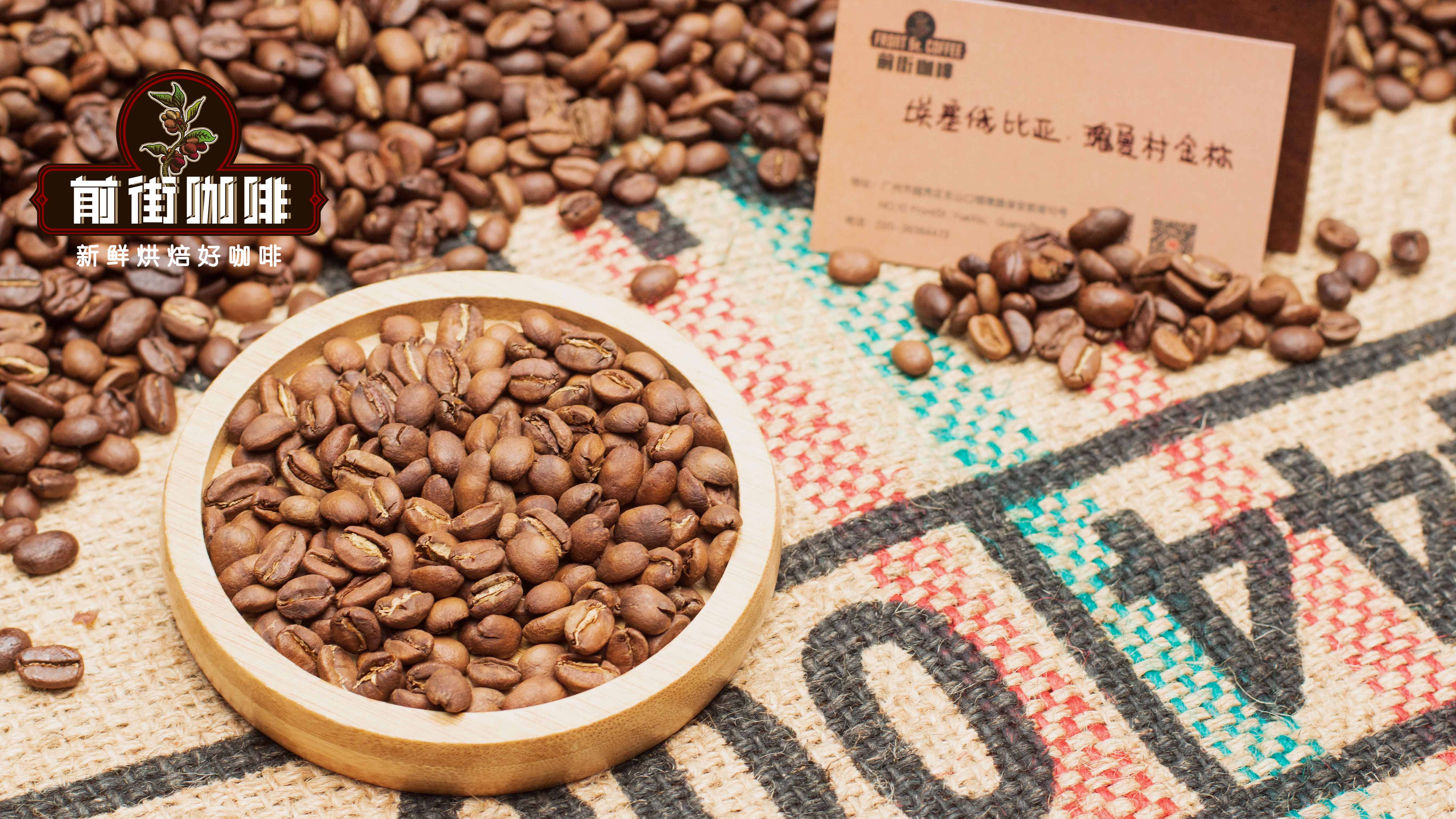
Ethiopia’s Gesha Village is the true birthplace of the Geisha variety. The Geisha coffee here retains the most original genetic traits. Although its appearance is not as stable as the Panamanian variants, its flavor showcases distinctive Ethiopian characteristics. In 2009, after efforts by a professional team, the original Geisha heirloom variety was finally discovered in the forests of Gesha Village, near the border with South Sudan in southwestern Ethiopia. This discovery added an important chapter to the history of Geisha coffee.
In terms of processing methods, Hacienda La Esmeralda employs the traditional natural (sun-dried) process but with a rigorous selection procedure. First, the coffee cherries are carefully washed and sorted to ensure only fully ripe beans are used, removing all underripe or overripe ones. Then, the whole cherries are placed on drying beds for a lengthy two to four weeks of drying, during which the moisture content is strictly controlled to 12%. This processing method gives Esmeralda Geisha its intense floral and fruity notes.
Ethiopia’s Gesha Village, on the other hand, uses the raised bed (aerated) sun-drying method, which effectively avoids the influence of ground impurities and ensures the purity of the coffee. By meticulously removing defective beans, not only is the coffee’s cleanliness enhanced, but potential off-flavors associated with traditional ground drying are also avoided. This processing approach allows Gesha Village’s coffee to exhibit a brighter acidity and a rich array of tropical fruit aromas.
In terms of flavor performance,Panama Hacienda La Esmeralda Red Label Geisha(grown at 1700 meters altitude, natural processed) displays intense rose floral notes, accompanied by the freshness of citrus fruits like grapefruit and lemon, along with sweet undertones of black tea and sweet potato. A sugarcane-like sweetness lingers persistently in the aftertaste. Meanwhile,Ethiopia Gesha Village Red Label Geisha(grown at 1900–2050 meters altitude, raised bed processed) features tropical fruits as the dominant profile, paired with elegant notes of cream and bergamot, as well as complex layers of wine-like aromas and nuts.
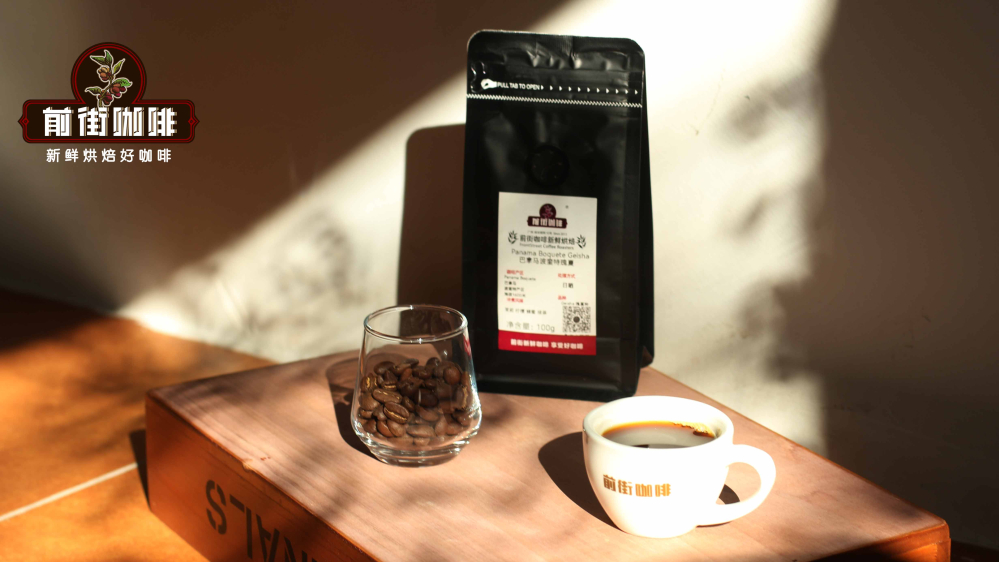
Professional cupping data shows that both Geisha coffees perform excellently in terms of acid-sweet balance, with bitterness well-controlled. The Hacienda La Esmeralda version delivers a richer and more intense flavor with a long-lasting aftertaste, while the Gesha Village product, thanks to the raised bed processing, exhibits a purer sweetness and a mature fermented wine aroma. The tropical fruit sweetness and full mouthfeel are highly appealing. Both maintain outstanding complexity, with bright yet non-harsh acidity.
For coffee enthusiasts, trying these two Geishas from different origins not only allows you to experience how the same variety performs in varying environments, but also helps you gain a deeper understanding of how processing methods profoundly influence coffee flavors. Whether you’re a fan of bright acidity and floral tropical fruits, or prefer intense floral notes and citrus profiles, you’re sure to find a favorite among the Geishas from these two renowned regions.
The above content is compiled by CoffeeHunters, a coffee news website.


