








Introduction:Drip bags are often the first choice for many coffee beginners stepping into the world of single-origin coffee, but they are frequently misunderstood as being as simple to brew as instant coffee or tea bags. This can lead to woody, bitter tastes or even sipping coffee grounds. This article delves into the design principles behind drip bags, highlights four common brewing mistakes, and explains key techniques such as vessel selection, water temperature control (adjusted according to roast level), small and frequent pouring methods, and the 1:15 coffee-to-water ratio. It also includes recommendations for various regional drip bags to help you brew a balanced, aromatic cup of high-quality coffee.
Thanks to their ease of use, drip bags have become an ideal option for many beginners looking to explore single-origin coffee. With just one drip bag, a kettle of hot water, and a cup, you can easily enjoy coffee with regional characteristics without the need for complicated pour-over equipment or technical skills.
However, many people mistakenly treat drip bags like instant coffee or tea bags—pouring them directly into a cup and steeping them, or adding a large amount of hot water all at once. The result is often a bitter liquid filled with coffee grounds or a dull, paper-flavored coffee water. These issues stem from a misunderstanding of the design and proper brewing method of drip bags.
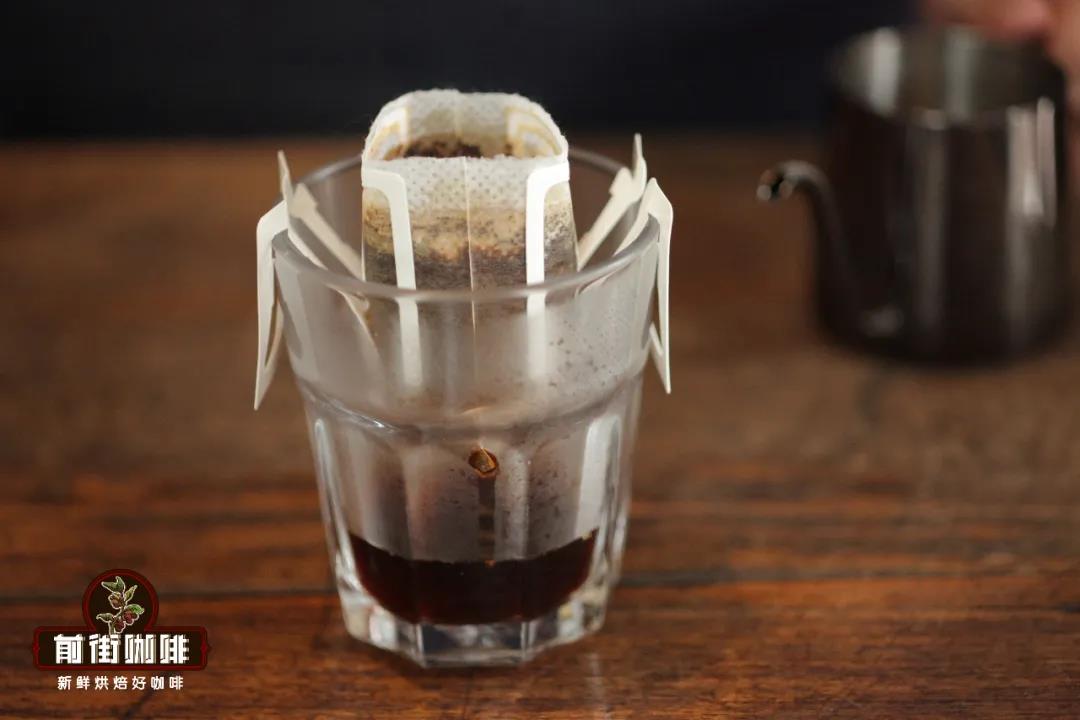
The concept of drip bags is inspired by hanging tea bags and was originally called "one-cup extraction coffee." In design, medium-ground coffee is placed in a non-woven filter bag, which is then suspended in the center of a cup using two expandable paper "ears." This setup mimics the dripping extraction environment of a filter dripper. Because it is easy to use yet retains the essence of pour-over brewing, it can be considered a minimalist version of pour-over, making it suitable for various single-origin beans and capable of highlighting the unique flavors of different regions.
There are four common mistakes when brewing drip coffee. First, treating drip bags like instant coffee by pouring the unopened contents directly into a cup with hot water. Since only about 30% of the soluble flavor compounds in the coffee grounds dissolve in water, the remaining 70% consists of insoluble woody fibers (i.e., coffee grounds). This method will only leave you with a mouthful of coffee grounds and a rough sediment.
The second mistake is direct steeping. Because the coffee grounds in drip bags are finely ground and each bag contains about 10 grams, if you pour water directly over the unopened bag without tearing the seal, the coffee in the center often fails to get evenly wet. This requires a long steeping time to release flavors, resulting in uneven extraction and a flat-tasting coffee with paper or woody off-notes.
Third, many people use kettles with wide spouts, causing a large amount of hot water to rush into the bag all at once. This not only risks coffee grounds spilling out with the liquid but can also affect extraction uniformity, thereby reducing taste quality.
Fourth, using a container that is too small or too short is another common issue. When the container is not tall enough, the coffee liquid level can easily submerge the bottom of the drip bag, leading to over-extraction of the lower coffee grounds and unnecessary bitterness. For a 10-gram drip bag, it is recommended to pour about 150 grams of hot water to extract approximately 140–145 grams of coffee liquid. If the container is overly restrictive, it will hinder achieving balanced flavors.
To brew a high-quality cup of drip coffee, there are four key techniques to master. First, choose a brewing vessel of appropriate height—preferably a relatively tall cup or pot—to ensure sufficient distance between the filter bag and the coffee liquid surface, avoiding over-extraction at the bottom.
Second, water temperature control is crucial. The recommended range is 88°C to 92°C, adjusted based on roast level: for light to medium roasts (with floral, berry, or citrus notes), the optimal water temperature is 90°C to 92°C; for medium roasts (offering nutty or cocoa flavors), 89°C to 90°C is suitable; and for medium to dark roasts (with herbal, spicy, or dark chocolate notes), 88°C to 89°C is advised to bring out the best flavor profile.
Third, using a small and frequent pouring method helps ensure even wetting and extraction of the coffee grounds. A small coffee pouring kettle is ideal for precise control over water flow and rhythm. Even without specialized tools, simply avoiding pouring too much hot water at once can significantly improve extraction consistency.
Finally, the golden coffee-to-water ratio for drip coffee is 1:15. For a 10-gram drip bag, it is recommended to use 150 grams of hot water to yield about 140–145 grams of coffee liquid. This ratio ensures a balance between flavor intensity and taste layering, avoiding issues of being too weak or over-extracted.
The above content is compiled by CoffeeHunters, a coffee news website.


