







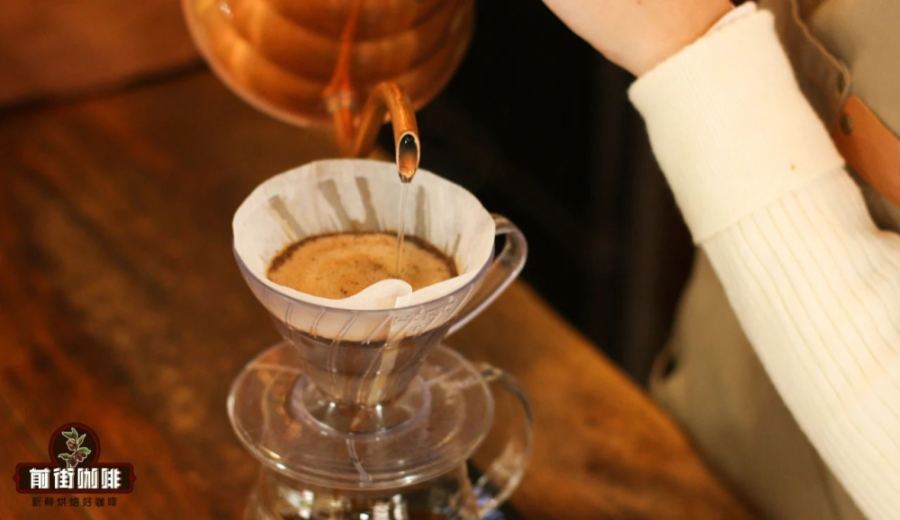
Introduction:The flavor profile of pour-over coffee is closely tied to the amount of water poured and the coffee-to-water ratio. This article uses classic Mandheling coffee as an example to delve into how adjusting the pouring volume and ratio can help you master extraction parameters, achieving a balance between strength and flavor. From fundamental concepts to hands-on practice, we’ll guide you step-by-step in brewing a rich and layered cup of coffee.
Pour-over coffee is not just a brewing method but also an art that demands precision and attention to detail. Every element—from the grams of coffee grounds and water temperature to the control of water volume—can affect the final flavor outcome. Among these, the amount of water poured is primarily determined by the weight of the coffee grounds used and your chosen coffee-to-water ratio, which are key to determining the coffee’s strength and extraction efficiency.
Many coffee enthusiasts, when starting out, often hear about the "1:15" coffee-to-water ratio. For example, using15 grams of coffee groundswith225 milliliters of wateris a typical 1:15 ratio. However, this is not the only standard. Those who prefer a stronger taste might opt fora 1:10 to 1:13 ratioto achieve a richer and more full-bodied cup, while those who enjoy lighter flavors may go fora 1:16 to 1:17 ratiofor a more refreshing taste.
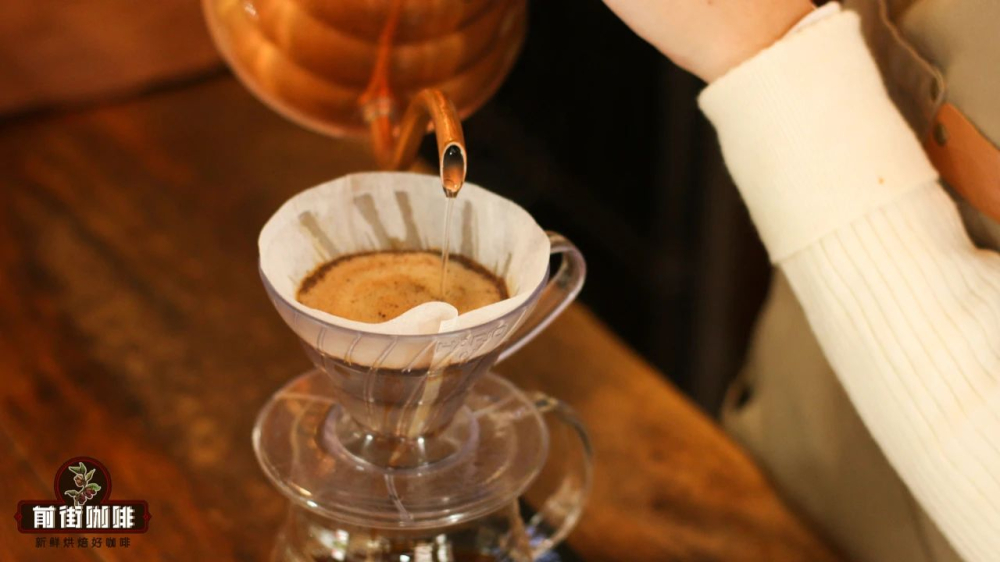
Why is the amount of water poured so important? Because pour-over is a type of drip filtration extraction, where hot water passes through the coffee grounds, extracting soluble substances. The more water you pour, the more compounds are extracted. However, only about 30% of the substances in coffee beans are water-soluble, and according to research by the Specialty Coffee Association (SCA),an extraction rate of 18% to 22%usually yields the best flavor. Exceeding this range can lead to flavor imbalance or even an unpalatable cup.
Moreover, extraction efficiency during pour-over is not uniform. Observing the brewing process, you’ll notice that the first drips are darker in color, gradually becoming lighter—this indicates that the early stages of extraction are more efficient, with efficiency decreasing over time. Therefore, controlling the water volume is essentially regulating the overall strength of the coffee: less water leads to higher strength, more water leads to lower strength.
So, how much water should you pour? Taking15 grams of coffee groundsas an example, if you use a1:15 coffee-to-water ratio, you’ll need to pour225 milliliters of water. Based on multiple tests, this ratio typically results in a coffee strength of around1.35% to 1.42%, with an extraction rate of about17.79% to 18.73%—a range favored by most people.
If you use20 grams of coffee grounds, then pour300 milliliters of water;25 grams of groundswould correspond to375 milliliters of water, again calculated using the 1:15 ratio. Of course, this ratio isn’t absolute—you can flexibly adjust it based on your personal taste preferences.
The 1:15 ratio recommended by some brands is just one of many options. Some people prefer a bolder taste and may choosea 1:10 to 1:13 ratio, resulting in a more robust and concentrated brew; while some baristas lean toward usinga 1:16 or 1:17 ratiofor a more delicate and everyday-drinking-friendly cup. However, no matter which ratio you choose, it needs to be paired with other brewing parameters—such as water temperature, grind size, and technique—to achieve the ideal flavor.
Too little water (below 1:15) can make the coffee overly strong and unbalanced, while too much water (above 1:16) may result in a weak and flat cup lacking depth. Therefore, finding the right coffee-to-water ratio for yourself is a key aspect of pour-over brewing.
Next, let’s take the classicMandheling coffeeas an example, demonstrating from parameter setup to actual brewing techniques how to brew a rich and layered Mandheling at home.
Mandheling is a representative Arabica coffee from Indonesia’s Sumatra region. Unlike common commercial beans, it is known for its uniquenutty, dark chocolate, and herbal notes. Its flavor is bold and full-bodied, often with a caramel and woody finish, making it a favorite among coffee lovers.
Before launching any Mandheling bean product, the brand conducts rigorous cupping evaluations. Cupping results show that this Lin Dong Mandheling has a distinctnutty and dark chocolate base, with herbal and caramel aromas emerging as it cools slightly. The overall mouthfeel is rich, with acidity being soft and almost imperceptible—a premium bean ideal for deep tasting.
To successfully extract Mandheling’s bold characteristics, freshness is key. Once coffee beans are stored for too long, their aroma can dissipate, affecting flavor performance. Therefore, it’s recommended to use beans roasted within5 days, and to brew them soon after opening the bag. Additionally, Mandheling is typicallymedium-dark roasted, giving the beans a looser structure that aids extraction. To avoid over-extraction and bitterness, it’s advised to usea lower water temperatureduring brewing.
Recommended brewing parameters:
Filter: KONO filter
Water temperature: 87°C
Coffee dose: 15 grams
Coffee-to-water ratio: 1:15 (i.e., 225 milliliters of water)
Grind size: Medium-coarse, approximately 70% passing through a Chinese standard No. 20 sieve
Brewing steps:
1. Wet the filter paper with hot water to ensure it adheres to the filter and preheat the server, then discard the rinse water.
2. Add15 grams of ground coffeeinto the filter and gently tap to level.
3. Begin the first pour: use30 grams of water for a 30-second bloomto awaken the coffee grounds.
4. Then, starting from the center of the coffee bed, pour in small circles witha gentle stream of wateruntil you’ve poured a total of125 grams, then pause briefly for the first segmentation.
5. When the coffee bed has descended to about half its original height, continue pouring the second segment with the same technique until the total water volume reaches225 grams.
6. Wait for all the coffee to finish dripping through, then remove the filter and enjoy your pour-over Mandheling.
The resulting Mandheling features warm notes of wood and caramel in the aroma, with a rich and full-bodied mouthfeel. Its flavor layers include dark chocolate, spices, cream, pine, and caramel, with very low acidity and a clean, rounded texture. As it cools, the slight bitterness in the aftertaste softens, accompanied by a noticeable sweetness, offering a lingering finish reminiscent of aged Pu’er tea.
The above content is compiled by CoffeeHunters, a coffee news website.


