







Introduction:Want to easily make an authentic cappuccino at home just like in a café? By mastering the key techniques for extracting espresso and frothing milk, you can enjoy a classic beverage with a smooth texture and balanced coffee and milk aroma—even without a professional espresso machine. This article will delve into the preparation process of both espresso and milk foam, including suitable brewing equipment, coffee-to-water ratios, water temperature control, and practical operation tips, guiding you from beginner to pro and helping you craft the perfect cappuccino.
Cappuccino is renowned for its rich coffee aroma and silky milk foam, often being many people’s first step into the world of coffee. Although café cappuccinos are always memorable, with the right method, you can replicate a similarly classic flavor at home without expensive equipment.
A true cappuccino typically consists of one shot of espresso combined with two parts steamed milk and milk foam. This golden ratio ensures the layered taste and velvety mouthfeel. The ideal drinking temperature is between 60–65°C, making each sip warm and comfortable while retaining the complexity of flavors.
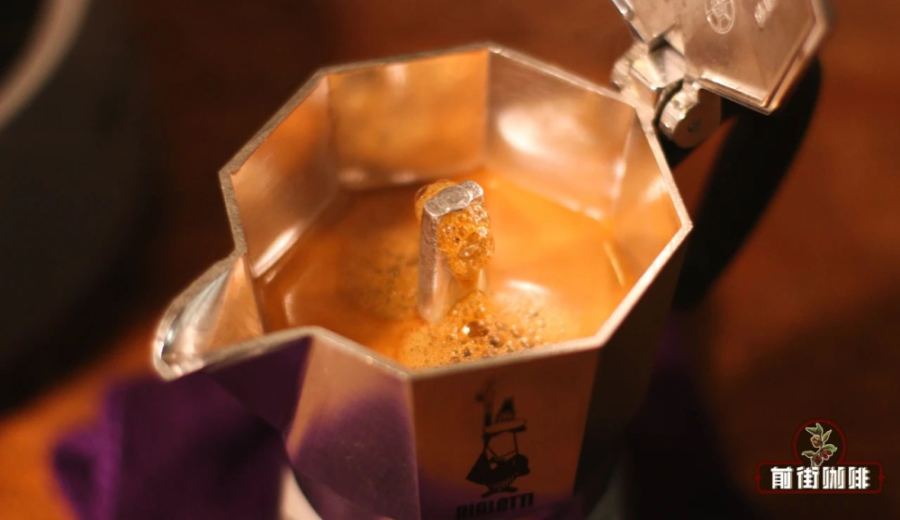
For coffee lovers without a professional espresso machine at home, a Moka pot is a highly practical choice if you want to achieve an espresso with crema (coffee foam). This Italian-made home brewing device is simple to use—just control the heat and water amount properly, and you can brew a rich, crema-covered coffee liquid, making it the top home alternative to espresso.
If you don’t have a Moka pot, you can also choose to extract an espresso base using the pour over method. It’s recommended to use a medium-dark roasted blend, such as the Sunflower Warm Blend that features sherry and Yirgacheffe notes. These beans can showcase rich layers when paired with milk, without being completely overshadowed by the milk aroma.
In terms of specific operation, you can adopt a concentrated extraction technique similar to the "Matsuya style," aiming to extract a high-concentration coffee liquid. It’s recommended to use a filter dripper with a slower flow rate, such as the KONO dripper, which helps increase extraction concentration. Use 20 grams of coffee grounds, with a grind size adjusted to about 80% passing through a #20 sieve—slightly finer than the usual medium-dark roast for pour over. Use a coffee-to-water ratio of 1:4, yielding a final 80 ml of coffee liquid, with water temperature controlled around 90°C.
During the pour over, start by pouring about 30 ml of hot water for a 30-second bloom. This helps to “wake up” the coffee grounds. Medium-dark roasted coffee has strong water absorption, so initially adding a bit more water can slow down the dripping speed, aiding in concentrating the early-stage extraction. After the bloom, slowly pour water in a spiral motion starting from the center of the coffee bed until you reach a total of 80 ml, then remove the dripper. This will give you a rich base coffee.
As for the milk foam, even without the steam wand of an espresso machine, there are multiple alternatives. For example, commercially available electric milk frothers can quickly produce fine milk foam by using high-speed rotation to create a vortex that evenly incorporates air into the milk. If you prefer manual methods, a milk frothing pitcher is also a good option—by repeatedly pumping the metal mesh, you can still achieve a fine and dense foam.
Another unexpected tool is the French press. The method involves preheating the milk to about 65°C, pouring it into the press, and then rapidly pumping the plunger up and down for about 30 seconds until the milk visibly expands by about half, indicating that the foam has begun to form. If large bubbles appear on the surface, gently skim them off with a spoon to make the foam finer.
Finally, combine the frothed milk with the previously extracted espresso. It’s recommended to pour a small amount of milk foam and coffee together first to integrate them, then gradually add the rest. This results in a smoother, more layered overall texture. If you’re up for a challenge, you can also try simple latte art techniques to add a touch of café ambiance to your homemade cappuccino.
In summary, as long as you master the coffee-to-water ratio, water temperature, and grind size for espresso extraction, along with the right milk frothing method, you can easily enjoy a cappuccino close to café quality at home. From equipment selection to operational details, every step influences the final flavor—so why not try it yourself and find your perfect balance.
The above content is compiled by CoffeeHunters, a coffee news website.


