







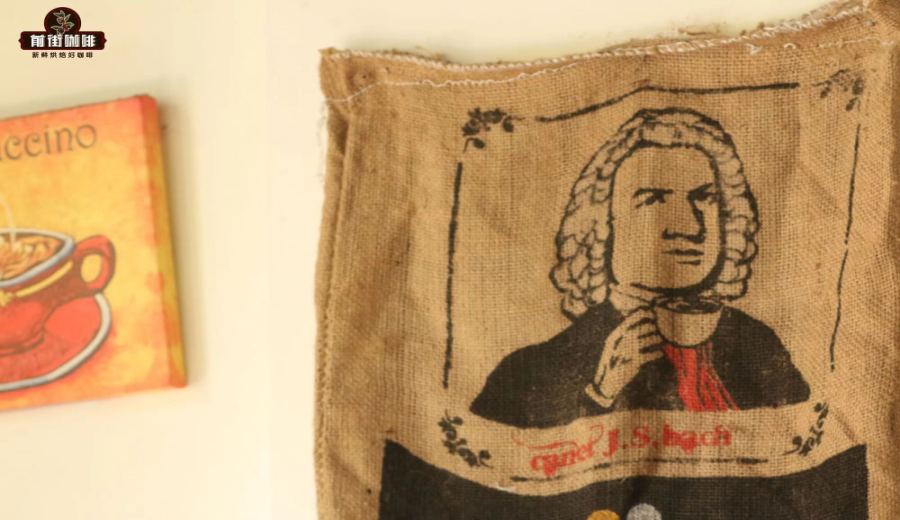
Introduction:Delve into the four premium coffee beans from the Musician Series at Costa Rica's Canet Estate — from Mozart to Chopin. Explore the unique flavor profiles shaped by bean variety, altitude, and processing methods, along with practical pour over brewing recommendations. Whether you're seeking the sweet-and-acidic balance of honey-processed beans or prefer the clean, bright taste of washed coffees, this guide will help you find your ideal coffee experience.
Costa Rican coffee is world-renowned for its bright acidity, rich sweetness, and silky mouthfeel. Among them, the Canet Estate in the Tarrazú region has carved out a distinctive place among coffee enthusiasts with its “Musician Series” of specialty beans. Named after classical music greats — including Mozart, Bach, Beethoven, and Chopin — each coffee not only showcases distinctive regional characteristics but also reveals a wealth of layers and personalities through different processing methods. This article takes you through an in-depth exploration of these four classic coffees, covering everything from bean variety and altitude to processing techniques and pour over advice.
Costa Rica Mozart Coffee Beans
Grown at around 1,800 meters above sea level in the Tarrazú region, these beans are of the Caturra and Catuai varieties, and are meticulously processed using the raisin honey method. This coffee is celebrated for its luxurious aroma — upon opening the bag, you’re greeted by elegant white floral notes reminiscent of orange blossom. The cup bursts with flavors of dark berries, raisins, and red berries, while the finish leaves a subtle hint of plum acidity paired with a gummy bear-like sweetness. As the temperature drops, the floral and sweet notes remain pronounced, making the overall flavor as smooth and layered as a musical composition.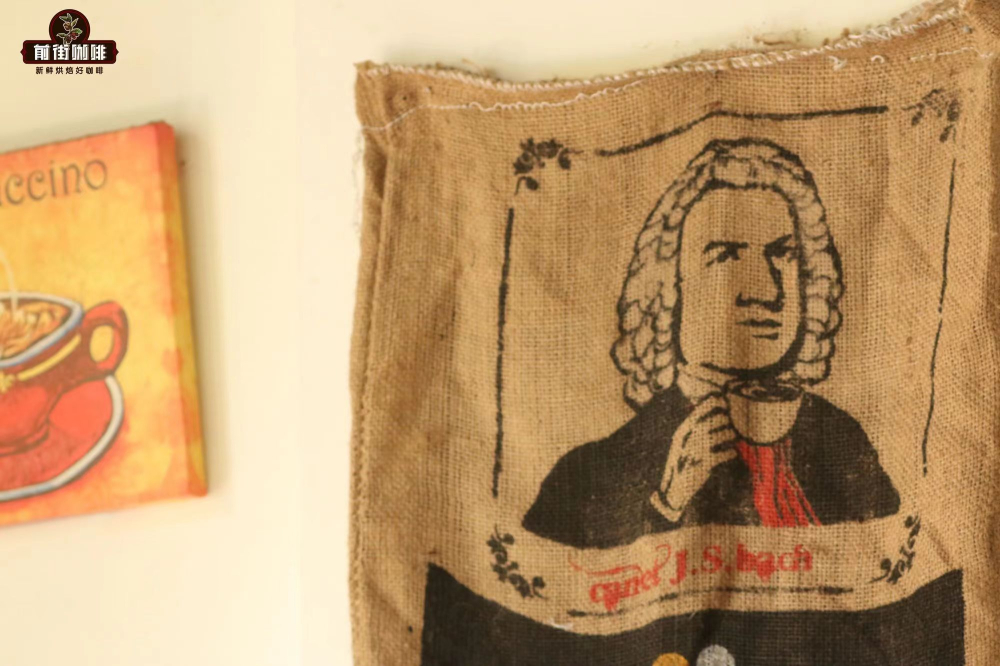
Costa Rica Bach Coffee Beans
Also from Tarrazú, these beans are grown at an impressive altitude of 1,950 meters and are of the Caturra variety, processed using the raisin honey method. The dry fragrance is rich with aromas of strawberry, blackberry, and raisins. Once brewed, it releases intense fruit tones alongside fresh floral notes, gradually revealing a wine-like aroma in the mid-palate, akin to the delicate fermentation of red wine or plum wine. As it cools, the candied sweetness becomes even more pronounced, resulting in an overall refined and meticulous flavor profile — as if stepping into the opulent world of Baroque art.
Costa Rica Beethoven Coffee Beans
Sourced from altitudes ranging between 1,800 and 1,950 meters in Tarrazú, these beans are of the Caturra and Catuai varieties and are processed using the traditional washed method, which gives the coffee a clean and clear flavor outline. The dry fragrance features distinct notes of red berries (especially strawberries), accompanied by soft floral undertones. When brewed, it presents a balanced acidity and sweetness of green grapes and red berries, offering a smooth and refreshing mouthfeel — perfect for those who prefer lighter, subtle flavors and summer brews. As it cools, the berry flavors become more concentrated, making this a classic washed coffee with a seasonal character.
Costa Rica Chopin Coffee Beans
Originating from elevations between 1,800 and 1,900 meters in Tarrazú, these beans are of the Catuai variety and are processed using the raisin honey method to bring out intense fruity aromas and romantic floral notes. Upon opening the bag, a noticeable rose aroma greets you, and as you brew, this floral scent wafts with the steam, as if you’re standing in a flower field. The flavor combines the sweetness of raisins, berries, and fruit tea, with a soft and layered mouthfeel that is as lyrical and delicate as a Chopin piano piece.
These four beans in the Musician Series not only each represent the style of a classical music master but also showcase the unique potential of high-altitude Strictly Hard Bean (SHB) coffee from the Tarrazú region. SHB, or Strictly Hard Bean, refers to coffee beans grown at altitudes above 1,500 meters. Due to the large diurnal temperature variation, the beans grow slowly, resulting in a dense bean structure, intense flavors, and rich fruit and sweet tonalities.
Costa Rica’s Coffee Growing Environment and the Canet Estate
Costa Rica is one of the first countries in Central America to introduce coffee cultivation and boasts a well-established coffee production and sales system. Its unique geographical location, combined with fertile, well-drained volcanic soil, makes it particularly suitable for coffee tree growth. Especially in central highland areas such as Tarrazú, the high elevation and extremely rich soil provide ideal conditions for producing high-quality coffee.
The Canet Estate is located here, focusing on cultivating the Caturra, Catuai, and H1 varieties. The owner of this estate is a classical music enthusiast, and thus named each coffee after a musician according to the unique flavor personality it exhibits, creating the distinctive “Musician Series.”
About Costa Rica’s Coffee Bean Grading System
Costa Rica is a country that grades coffee based on altitude, differing from Kenya’s size-based grading or Ethiopia’s defect rate-based system. The main grades are as follows:
• SHB (Strictly Hard Bean): Extremely hard beans grown at altitudes above 1,500 meters, known for intense flavors and bright acidity.
• GHB (Good Hard Bean): Good hard beans grown at altitudes between 1,100 and 1,200 meters.
• HB (Hard Bean): Hard beans grown at around 1,000 meters.
Among these, SHB is the highest grade, commonly found in high-altitude regions like Tarrazú, and is the grade assigned to the Musician Series — capable of showcasing the fullest flavor potential.
Introduction to the Main Cultivated Varieties at the Canet Estate
• Caturra: A natural mutation of Bourbon, with a shorter tree stature, high yield but weaker disease resistance. Suitable for medium to high altitudes, widely planted in Costa Rica and across Central and South America.
• Catuai: A hybrid of Caturra and Mondu Novo, with firm fruit that resists wind and rain but is difficult to harvest. It comes in both red and yellow fruit varieties, with the red fruit being more favored for its flavor.
• H1 (Centroamericano): Developed in a Nicaraguan laboratory, a cross between T5296 and Sudan Rume. It has strong resistance to rust and yields 22%–47% more than traditional varieties, but is more susceptible to pest infestation.
Analysis of the Raisin Honey Processing Method at the Canet Estate
The raisin honey process is the ultimate form of honey processing, retaining 100% of the fruit mucilage without water washing, resulting in intense flavors with a notable fermented character. The process requires precise control of drying time and temperature. First, floaters are removed, then the coffee cherries are placed on raised beds to dry for at least three days before the cherry skins are removed, leaving the complete mucilage for subsequent drying. This method imparts a white wine-like fermented aroma, with a balanced sweet-and-acidic profile and outstanding sweetness.
Washed Processing Flow (Example: Beethoven)
The washed processing method highlights the most original flavor characteristics of the coffee beans. The steps include:
1. Harvesting ripe coffee cherries
2. Removing impurities and defective beans
3. Using water tank flotation to remove unripe beans
4. Employing a pulper to remove the skin and pulp
5. Fermenting to remove the mucilage layer
6. Washing to eliminate fermentation residues and defective beans
7. Drying to achieve a moisture content of 10–14%
8. Removing the parchment and silver skin to complete the green bean
The washed process results in a cleaner coffee taste, ideal for those seeking simple flavors and bright acidity. For example, the Beethoven coffee showcases a refreshing berry tone through this method.
Whether you’re a pour over beginner or a coffee connoisseur, this Musician Series bean guide can help you choose the one that best matches your personal taste, taking you on a marvelous flavor journey through Costa Rica’s high-altitude coffee.

The above content is compiled by CoffeeHunters, a coffee news website.


