







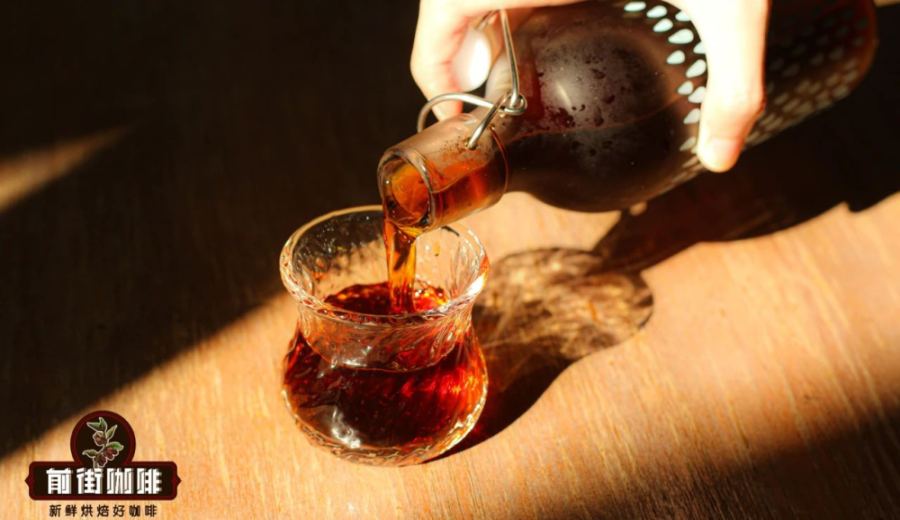
Introduction:Want to understand the fundamental differences between pour over and espresso? This article delves into the core distinctions between the two—from coffee bean selection and extraction principles to flavor characteristics—while also providing practical parameters and step-by-step details to help you grasp why espresso blends aren’t suitable for pour over, and how to choose the right brewing method based on your preferences.
Many newcomers to coffee often wonder: what’s the real difference between pour over and espresso? In truth, from roast levels and extraction pressure to final flavor profiles, the two follow entirely different paths. Pour over favors light to medium roasted single-origin beans, using atmospheric pressure and slow drip filtration to highlight the most original layers of coffee flavor. In contrast, espresso typically uses dark roasted blends, extracted under 9 bars of high pressure to produce a rich, bold coffee liquid, which is then combined with milk or water to create classic drinks like cappuccino, latte, and americano. This article will analyze the differences between the two through three key aspects—coffee bean types, brewing techniques, and caffeine release—and include practical café-level operational parameters, so whether you’re brewing at home via pour over or trying espresso extraction, you can more reliably recreate your ideal flavors.
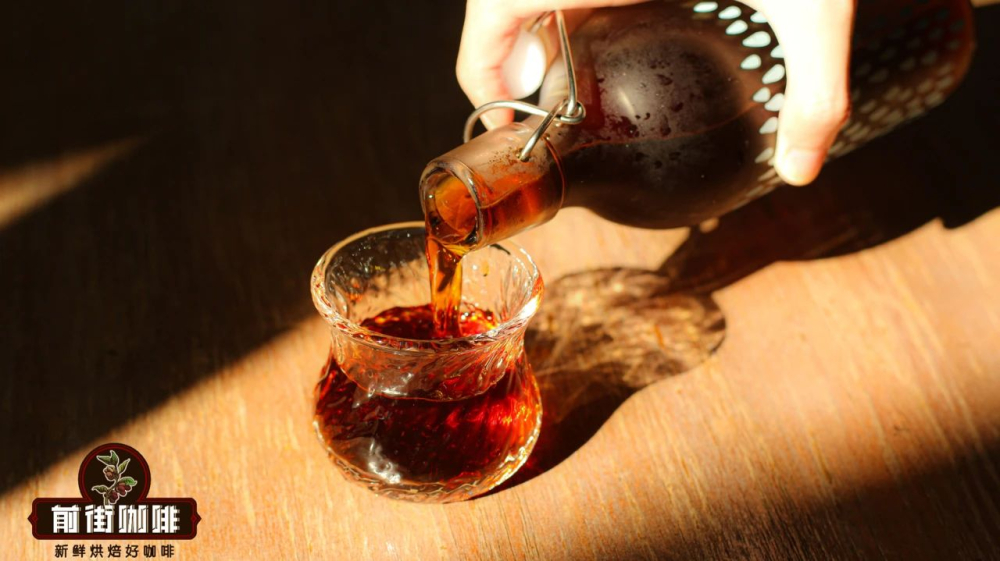 As coffee culture grows increasingly popular locally, its appeal has gradually approached that of ready-to-drink beverages like milk tea, though consumer preferences remain quite distinct. When it comes to coffee, pour over and espresso are undoubtedly the two most frequently compared types. Pour over is often synonymous with single-origin beans, emphasizing the regional characteristics and processing method flavors of the beans themselves—unadulterated and unmasked, offering a more authentic coffee experience. Compared to espresso, the pour over extraction process is relatively gentle—of course, this is relative to the 9-bar pressure of espresso extraction.
A quiet afternoon moment, a cup of pour over coffee, a good book, and a comfortable chair can create a simple yet deeply satisfying moment of peace. One of the charms of pour over lies in its visual and observable process—you can witness each drop of coffee slowly dripping down, feeling the flavors unfold over time. Espresso extraction, on the other hand, must be completed under 9 bars of high pressure, which is the key to its ability to quickly release intense flavors. Additionally, the “foolproof” operational nature of espresso makes it more accessible to the general public, but it’s the unique delicacy and personalized flavors of pour over that attract countless coffee enthusiasts.
1. Greatly Different Coffee Bean Choices
Pour over coffee typically uses single-origin beans, with roast levels mostly falling within the light to medium range, though a few enthusiasts experiment with dark roasted beans for pour over. Single-origin beans emphasize origin characteristics and processing method differences, showcasing more nuanced flavor profiles. In contrast, espresso generally uses blends made from multiple single-origin beans, with darker roast levels, aiming to maintain a full-bodied taste and aroma even when mixed with milk or hot water. These blends serve as the foundation for making espresso drinks like cappuccino, americano, and latte, and must be ground using a professional-grade espresso grinder to ensure uniform particle fineness, laying a solid foundation for high-pressure extraction.
2. Key Differences in Brewing Methods and Extraction Pressure
Pour over coffee is primarily extracted through a filter dripper, with the entire process taking place under atmospheric pressure; if using tools like a moka pot or AeroPress, the extraction pressure can reach at most 3 bars (about three atmospheres). Espresso, however, relies entirely on a professional espresso machine, extracting under 9 bars (nine atmospheres) of high pressure. At this point, the coffee puck in the portafilter is subjected to up to 133 kilograms of pressure, forcing a large amount of coffee substances—including many flavor compounds that are difficult to release under normal pressure—to dissolve. For this reason, espresso usually has a thicker texture and richer crema, making it highly suitable for pairing with milk to make lattes or diluting with water to create americano.
3. Actual Differences in Caffeine Content
Under the same coffee dosage and grind size, caffeine—as a water-soluble substance—has an extraction volume closely related to brew time. Generally, pour over takes about 1 to 3 minutes, while espresso only requires 20 to 30 seconds. Therefore, under the same conditions, pour over coffee actually contains more caffeine. This also explains why long extraction methods like cold drip and cold brew often have higher caffeine concentrations. It’s worth noting that since adding milk to single-origin coffee can easily mask the coffee’s own aroma and flavors, most professional coffee shops do not recommend pairing pour over coffee with milk.
Practical Parameters and Flavor Characteristics of Espresso
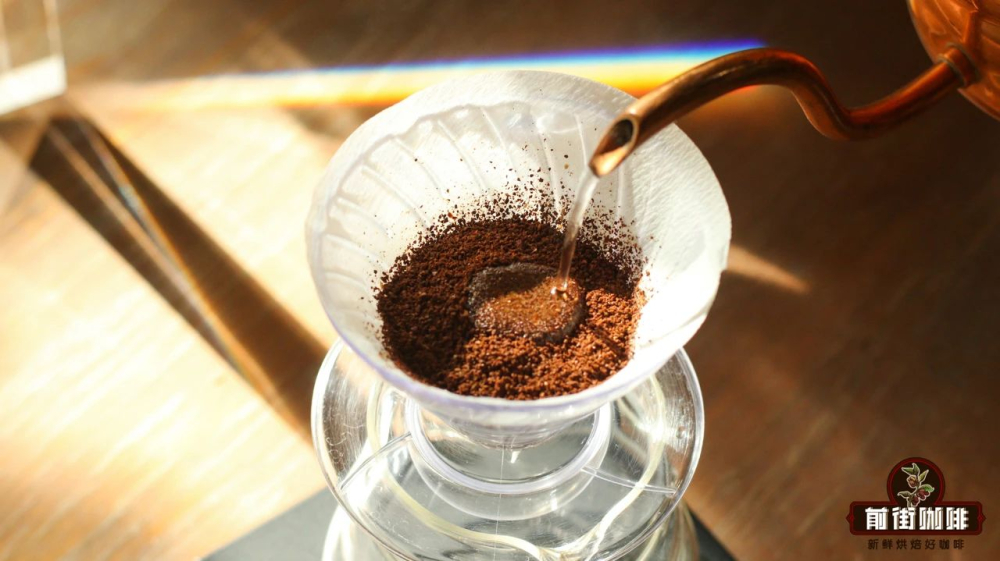
Many coffee enthusiasts have assembled various tools at home, and players especially keen on espresso extraction often invest early in an espresso machine. Taking professional café operations as a reference, making a qualified espresso requires precise control of multiple parameters. For example, using a commercial-grade single-group machine (like the Lelit Bianca), pressure can be adjusted to allow more flexible extraction, with a maximum pressure of up to 11 bars; but generally, a home machine that can steadily output 9 bars of pressure, paired with a well-performing espresso grinder, can meet basic needs.
A common double-shot portafilter holds about 18–20 grams, and it’s recommended to use 20 grams of coffee grounds for actual extraction. The ideal coffee-to-espresso ratio falls between 1:1.5 and 1:2.5, while cafés commonly use a 1:2 ratio—that is, 20 grams of coffee grounds yield 40 grams of espresso liquid. Brew time is closely related to flow rate, and it’s generally recommended to be controlled between 20–35 seconds—too short (e.g., below 20 seconds) often leads to thin flavors, while too long (over 35 seconds) can result in over-extraction and burnt, bitter notes. In practice, a brew time around 28–30 seconds usually achieves the best balance.
Taking the Sunflower Warm Sun blend used by cafés as an example, this recipe blends Honduran Sherry coffee and Ethiopian sun-dried Red Cherry in a 7:3 ratio. Once made into espresso, it yields a rich crema with a distinct whiskey aroma. On the palate, it presents sweet-and-sour layers of vanilla cookies and berries, with a solid flavor structure and long-lasting aftertaste. This espresso can also be diluted with water to make a refreshing americano or paired with milk to become a sweet and smooth latte.
Home Operation Guide and Details for Pour Over Coffee
If you want to try pour over coffee at home, it’s recommended to prepare the following basic tools: pour over kettle, dripper, server, grinder, filter paper, digital scale, and thermometer. Taking a common medium-light roasted Yirgacheffe bean as an example, to fully extract its fragrant aromatic compounds, it’s recommended to use a grind size of 80% passing through a standard 20-mesh sieve (approximately corresponding to scale 10 on an EK43s grinder), along with a higher water temperature of 91–93°C, paired with a resin V60 01 dripper, which helps improve extraction efficiency and flavor expression.
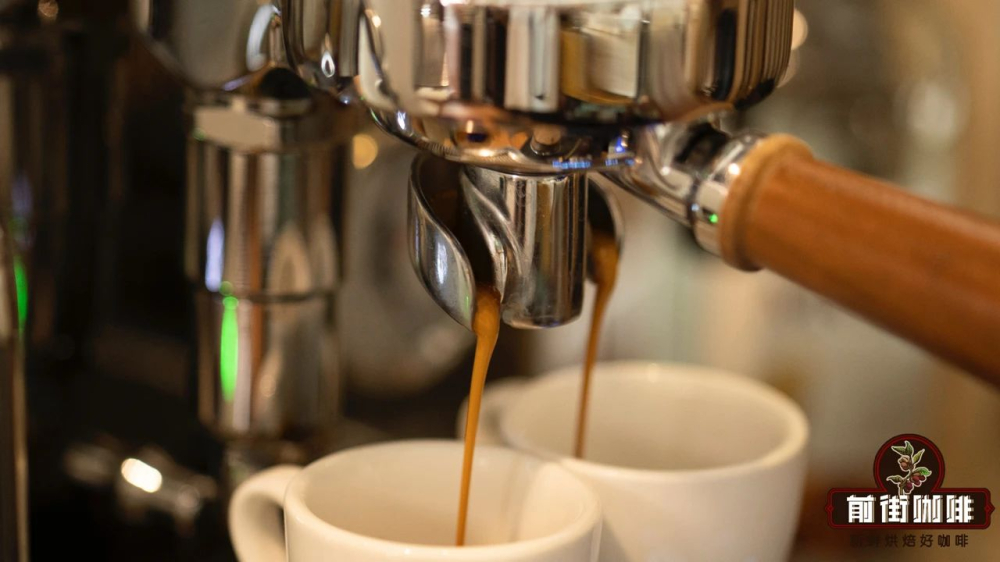
Although there are various pouring techniques online (like one-pour, three-pour, four-six pour, etc.), for beginners, the three-pour method is the easiest to master and offers balanced flavors. Using 15 grams of coffee grounds and a 1:15 coffee-to-water ratio (total water volume 225ml) as an example, it’s suggested to pour in three stages: the first stage 30ml (about 30g) for a 30-second bloom, the second stage poured up to 125ml (about 95g), and the final stage topping up to 225ml (about 100g), with a total extraction time of about 2 minutes. During operation, first wet the filter paper with a small amount of hot water and preheat the equipment, then evenly pour the coffee grounds into the dripper and gently tap to level them. The first-stage bloom activates the coffee grounds, followed by stable control of water flow and swirling speed to avoid over-extraction or uneven extraction.
The charm of pour over coffee lies in the ability to freely adjust grind size, water temperature, pouring technique, and time according to personal taste and bean characteristics, exploring endless flavor possibilities. From tool selection to parameter fine-tuning, every step contains a deeper understanding and experience of coffee—this is precisely why pour over attracts countless enthusiasts.
The above content is compiled by CoffeeHunters, a coffee news website.


