







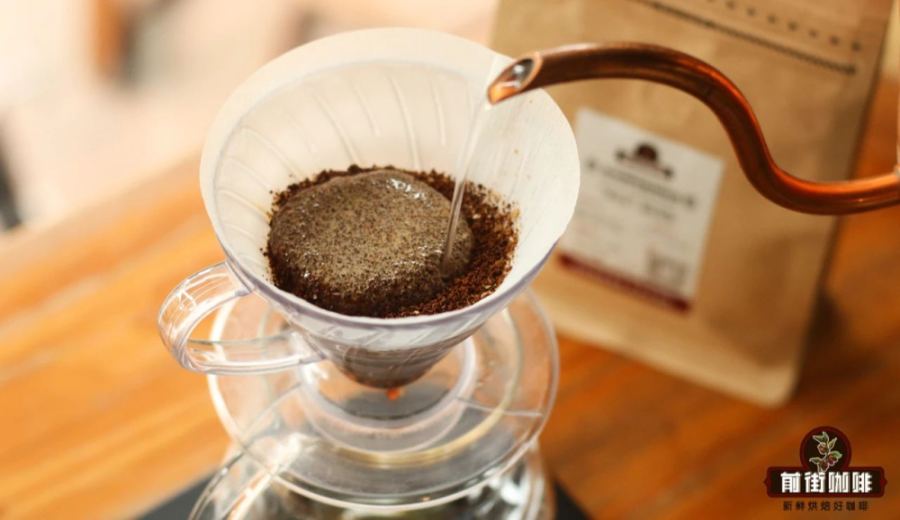
Introduction:Want to brew a pour over coffee with balanced acidity and sweetness, and layered complexity? The key lies in mastering the scientific interaction between water and coffee grounds. This article delves into the golden concentration and extraction rate range of the Specialty Coffee Association of America’s Golden Cup Theory, breaks down the interrelated effects of grind size, water temperature, and coffee-to-water ratio, and demonstrates a four-stage pouring technique through practical examples — taking your pour over skills to the next level in both parameters and flavor.
Behind a memorable pour over coffee is the delicate chemical interaction between water and coffee grounds. From the roast level of the beans and the coarseness of the grind, to the coffee-to-water ratio and pouring method, each step subtly influences the final flavor profile. This article will guide you from foundational principles to systematically understand the science behind coffee extraction, grasp the key figures of the Specialty Coffee Association’s (SCA) Golden Cup Theory, and through hands-on parameter adjustments, find your own ideal extraction balance.
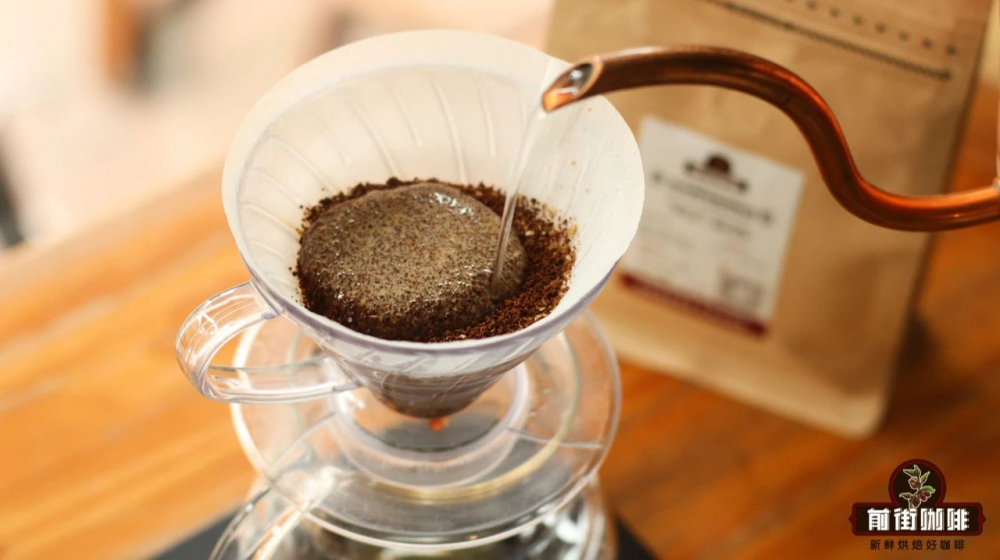
The essence of pour over brewing is allowing hot water to evenly penetrate the coffee bed and gradually dissolve its flavor compounds. This process is not random but can be analyzed and controlled through scientific methods. When hot water contacts the coffee particles, it first releases volatile aromas and acids — which is why a rich coffee aroma is immediately perceptible upon pouring. Later, sweetness and bitterness gradually emerge in the mid-to-late stages. If the extraction time is too long or the technique is off, bitterness and rough textures can overpower the subtle flavors.
There are many variables that affect extraction quality, but the match between grind size and extraction time is especially crucial. A finer grind accelerates the release of soluble substances, but if paired with too long a brew time, it can lead to over-extraction and unpleasant astringency; a coarser grind requires more time to fully extract, otherwise sharp acidity may remain. Therefore, selecting the right grind setting and timing parameters based on your brewing device and pouring method is fundamental to ensuring successful extraction.
Among various theories, the Golden Cup Theory proposed by the Specialty Coffee Association of America (SCA) is one of the most widely applied standards. According to this theory, an ideal pour over coffee should have:a concentration between 1.15% and 1.45%,and an extraction rate between 18% and 22%. When the concentration is below 1.15%, the coffee may taste thin and lackluster; if it exceeds 1.45%, it can easily become overly bitter and heavy. Similarly, if the extraction rate is below 18%, acidity may stand out in an unbalanced way; above 22%, bitterness becomes pronounced, and the overall mouthfeel tends to be dry.
These values are directly related to the coffee-to-water ratio — the amount of water used per gram of coffee. Common pour over coffee-to-water ratios range from about 1:15 to 1:18, with many enthusiasts using 1:16 as a starting point and then fine-tuning according to personal taste. Remember, an accurate coffee-to-water ratio is the first step toward stable extraction quality.
The combination of extraction time and grind size also follows certain rules. Generally speaking,longer extraction times are recommended with coarser grinds, producing a relatively clean cup with pronounced acidity and sweetness;medium durations suit medium-fine grinds, helping to balance sweetness and complexity;shorter extraction times require finer grinds, to bring out a richer, slightly bitter finish. Observing the flow rate in the filter and the total brew time is key to determining whether to adjust the grind coarseness.
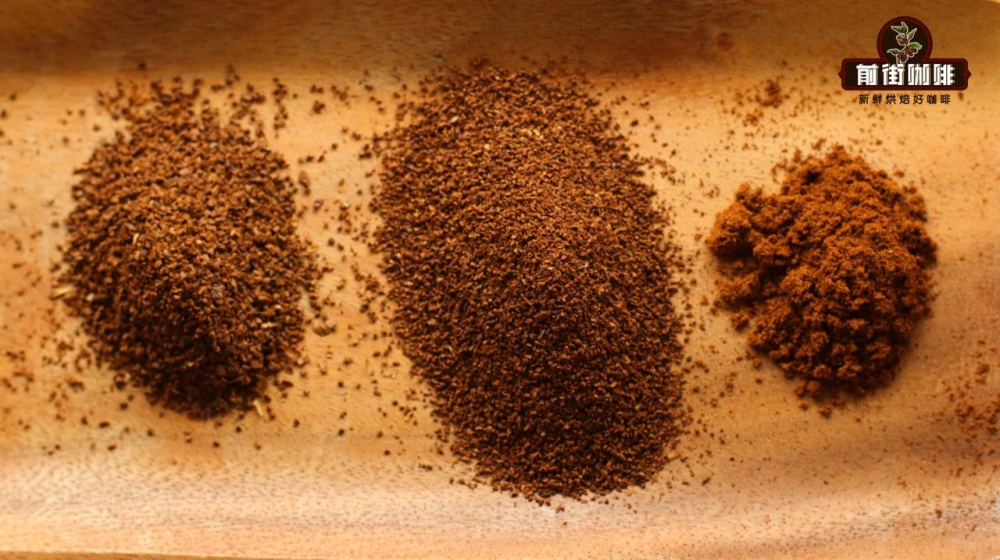
Next, we’ll use a popular market offering — Emerald Estate Diamond Mountain coffee beans — to demonstrate how to extract a cup with both caramel sweetness and a full body using a four-stage pouring technique. This bean features a sweet, warm flavor profile, well-suited for steady water flow and moderate immersion to bring out the layered finish.
Suggested parameters are as follows: use15 grams of coffee, with a1:16 coffee-to-water ratio (total water: 240ml), a ceramic V60-style dripper to stabilize flow rate,water temperature controlled at 88–89°C, and a grind size similar to that of fine sugar (approximately scale 10 on an EK43 grinder). The pouring technique uses staged control to minimize agitation of the coffee bed and guide water through evenly.
Step-by-step operation: First, pour30 grams of hot water in slow circles from the center outward for a 30-second bloom, helping the coffee release CO₂ and begin flavor development. Next, lower the kettle spout and pour80 grams of water at a slightly higher flow rate (around medium pace), keeping the pour height around 2cmto avoid disturbing the coffee bed and allow even saturation. When the liquid in the dripper is nearly drained and the time approaches 1 minute 25 seconds, pour another80 grams using a small stream, maintaining low water level and stable flow, focusing on extracting the mid-stage sweetness. Finally, when the liquid level drops to half, pour the last50 grams without waiting for full drainage, completing the brew in about 2 minutes and 13 seconds. This segmented approach effectively highlights the Diamond Mountain beans’ characteristic caramel finish while balancing acidity and sweetness.
The above content is compiled by CoffeeHunters, a coffee news website.


